

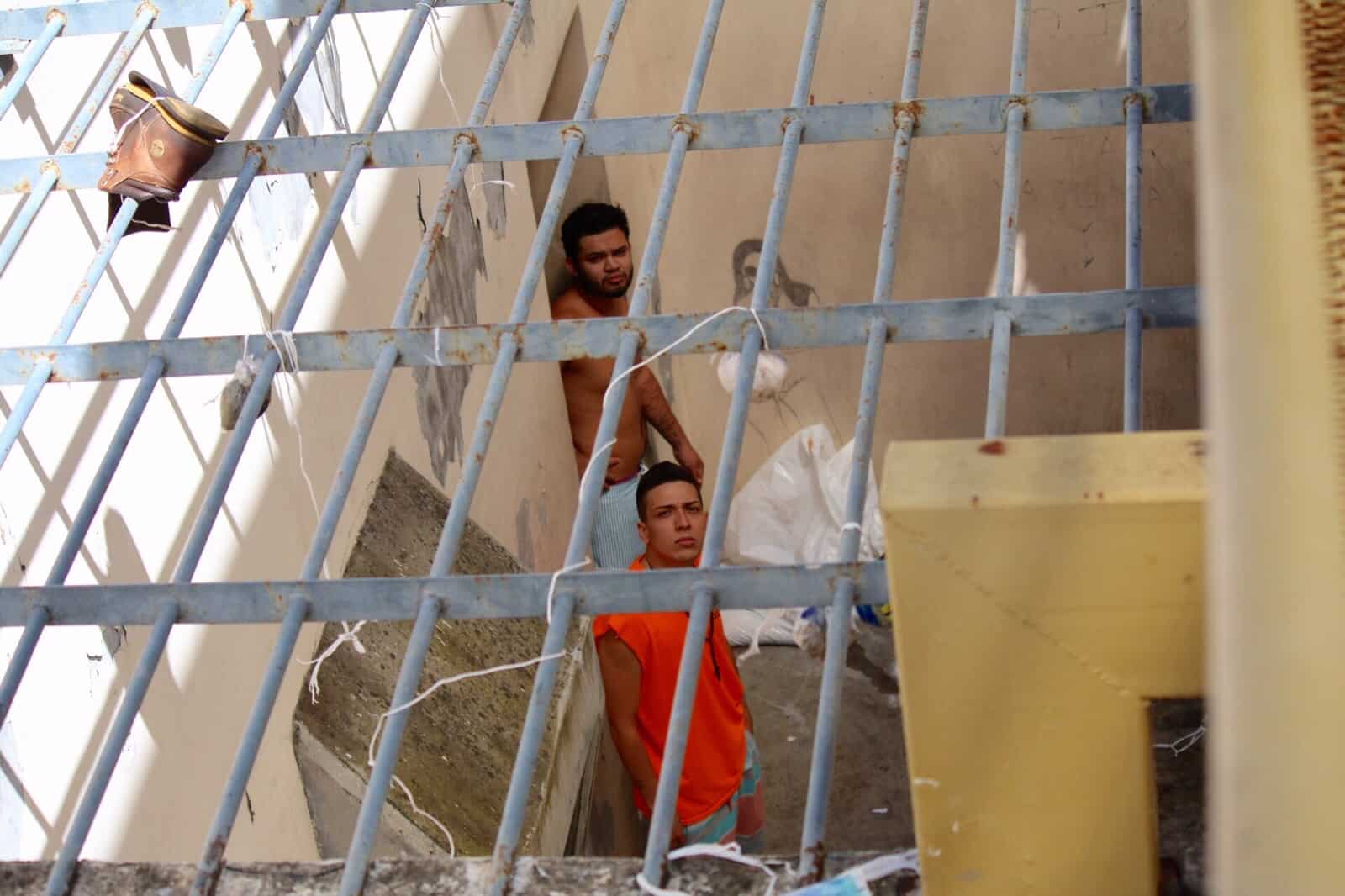
Thousands of inmates across Costa Rica cast their ballots on Sunday, February 1, during the presidential and legislative elections, as authorities set up polling stations inside prisons to uphold their right to vote. This setup, in place since the late 1990s, highlights the country’s emphasis on broad suffrage, even amid a campaign dominated by debates over rising crime and prison reforms.
The Supreme Electoral Tribunal (TSE) worked with the Ministry of Justice and Peace to install voting booths in penitentiary centers, allowing registered inmates to vote without leaving the facilities. This follows the Regulation for the Exercise of Suffrage in Penitentiary Centers, a 1997 decree published in La Gaceta, which grants voting rights to all incarcerated citizens over 18, unless a court has revoked their political rights for certain crimes.
TSE data shows that 10,730 inmates were registered to vote in these elections, a figure consistent with prior cycles. To support the process, the Ministry of Justice halted all family and conjugal visits in prisons nationwide. “This step ensures the voting proceeds smoothly, aligning with legal standards and democratic values,” stated a ministry release.
Costa Rica stands out in Central America for preserving this civic right for those in custody. Unlike neighbors with stricter limits, the TSE has organized prison polling since 1998, assigning inmates to special electoral districts within the centers. The voter registry closes months in advance to handle the arrangements.
Challenges arose leading up to the vote. Reports from inmates and advocacy groups pointed to issues that could have hindered participation. About 2,000 inmates, many in high-security units, lacked their national identity cards—required for voting—due to losses, damages, or expirations. The TSE launched a rapid reprint program, delivering the documents directly to the prisons in the days before the election.
Additional complaints involved mass transfers between facilities, which some said disrupted proper registration, and delays in electoral supplies. The TSE reviewed these claims, confirming that materials arrived on schedule and were distributed under tight protocols, with cooperation from the Penitentiary Police and election monitors.
At La Reforma, the nation’s largest prison housing thousands, voting lines formed under controlled conditions. One high-security inmate, speaking anonymously through official channels, described the process as “orderly, though with extra checks compared to past elections.” The TSE had shared neutral political information with inmates in advance, through voter education programs run by its Electoral Programs Department.
This inclusive approach contrasts with the election’s broader focus on security. Candidates like Laura Fernández of the Sovereign People Party topped polls with pledges for tougher crime measures, including finishing a high-security mega-prison modeled on regional examples. Homicide rates have climbed sharply in recent years, shaping voter priorities, but did not affect prison voting protocols.
By poll closing, the TSE reported no major disruptions in the prisons. Preliminary results began at 8:45 p.m., and while inmate votes make up a small share of the total, their inclusion supports equal suffrage. Looking ahead, officials plan to refine identity document handling to ease future barriers.





