

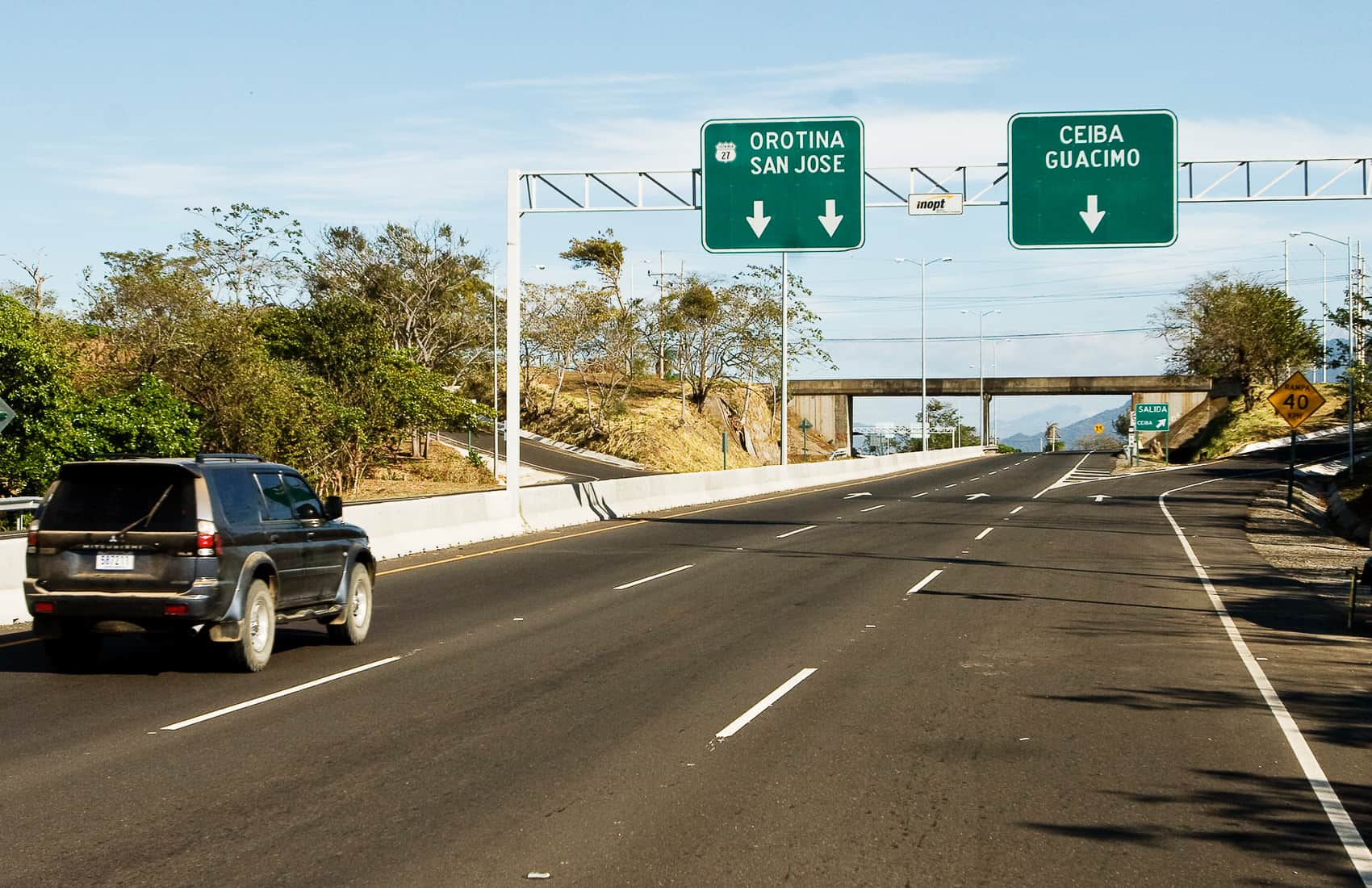
Drivers heading back from the Pacific coast can expect changes on Route 27 starting this weekend. The Ministry of Public Works and Transport (MOPT) has confirmed that reversible lanes will operate every Sunday in January to handle the surge in vehicles returning to the Central Valley.
The measure applies on January 4, 11, 18, and 25. During these days, the highway between Orotina and Ciudad Colón will switch to one-way traffic toward San José. Closure begins at 1 p.m., with full reversibility in effect from 2 p.m. to 6 p.m. The road reopens to normal two-way flow by 7 p.m.
Transit Police will oversee the operation, guiding vehicles and enforcing the changes. Officials recommend leaving beaches and coastal areas early to avoid backups. Those traveling westbound after 1 p.m. must use alternate routes, such as Route 1 or Route 34, to reach destinations like Puntarenas or Guanacaste.
This setup comes as toll rates on Route 27 rose this week, with increases ranging from ₡10 to ₡60 at various booths. The adjustments reflect standard annual updates based on operational costs.
The decision responds to patterns seen during school vacations and holidays, when thousands flock to beaches and then head home en masse on weekends. Last year, similar operations reduced wait times by up to 40% on peak days, according to MOPT data.
For locals and tourists alike, this directly impacts plans. Airport transfers from Juan Santamaría International often rely on Route 27, so passengers returning from coastal trips should factor in extra time or adjust schedules. Beach traffic, especially from popular spots like Jacó and Manuel Antonio, will see smoother flows inbound but restrictions outbound. Residents commuting between the coast and San José need to plan around these hours to prevent delays.
MOPT urges all drivers to check updates via the Ruta 27 app or official channels before setting out. Signs along the highway will provide real-time alerts, and emergency services will remain on standby. With January marking the height of dry season travel, these steps aim to keep movement steady amid higher volumes. Travelers who adapt early stand to save hours on the road.





