

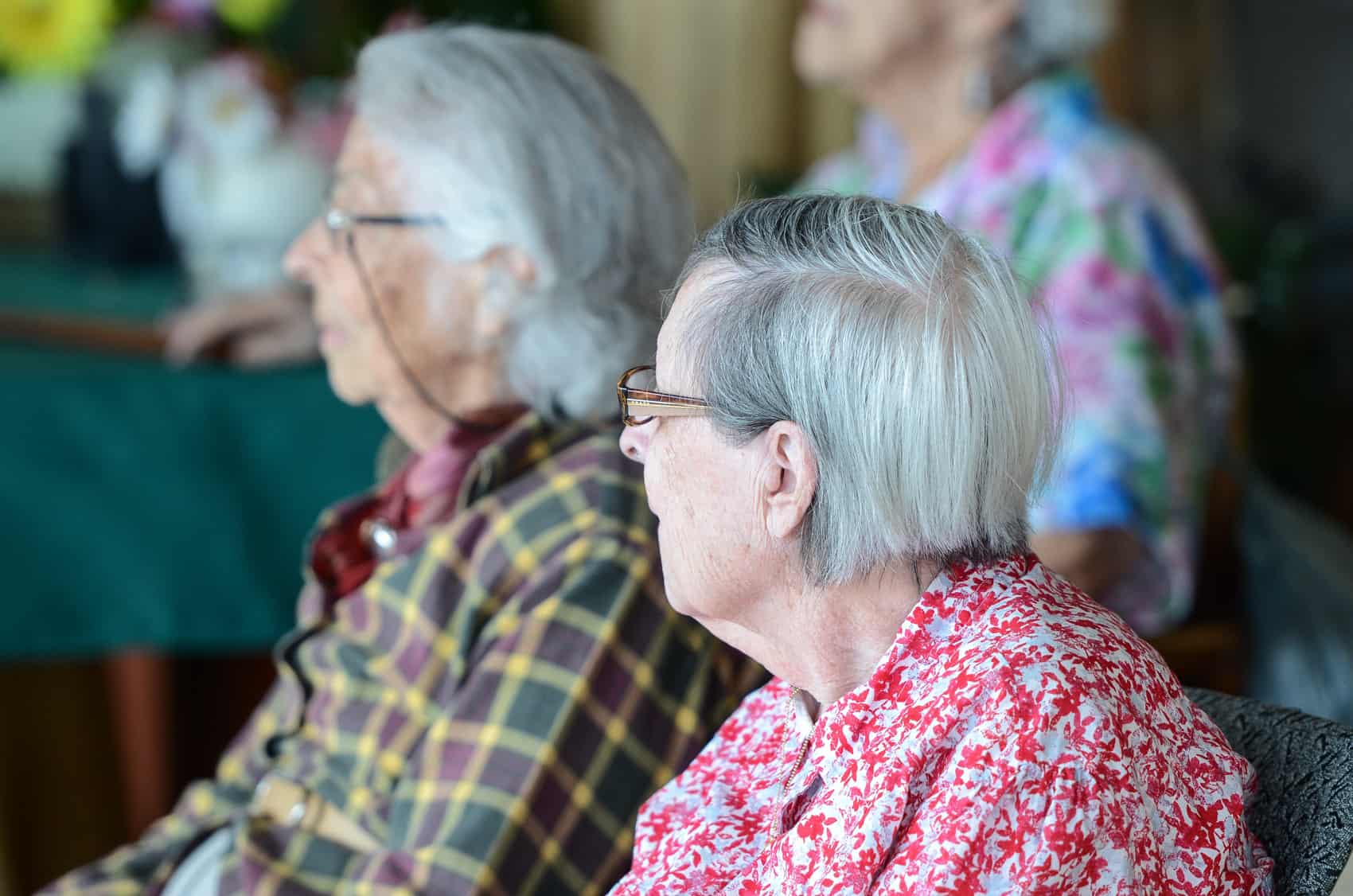
Health officials in Costa Rica marked December 24 with a fresh push against a growing problem: the spike in abandonment and mistreatment of older adults during the holiday season. The Ministry of Health teamed up with the National Council for Older Adults (Conapam) to roll out an audiovisual campaign that urges families and communities to spot, stop, and report these cases, which hit their peak in December and January.
Officials point to clear patterns. In the first half of 2025 alone, authorities handled 1,154 reports of abandonment and abuse— a figure that tops 90 percent of the total cases seen throughout 2024, when 1,280 incidents came to light. The trend worsens around the end of the year. From November 2024 through January 2025, 152 older adults needed emergency relocation after facing aggression or being left behind. December accounts for nearly 70 percent of those situations, turning a time meant for family gatherings into one of isolation for many.
Mary Munive, vice president and health minister, put it plainly: “These months bring connection for some, but neglect for others. As a nation, we must recognize this as a moral and legal duty to safeguard those who now rely on us.”
The campaign draws from real-life accounts to highlight the emotional toll and legal fallout of such actions. It ties into recent changes in the Comprehensive Law for Older Adults, which now imposes stricter penalties, including prison time, for abandonment, abuse, or neglect. Family members—children, grandchildren, and siblings—bear a constitutional responsibility under Article 232 to provide care while respecting the independence of their elders.
Experts link the holiday uptick to strained family ties, financial stresses, and a shift toward leisure activities that sideline caregiving. To counter this, the initiative promotes early family planning, like setting up care rotations or tapping community resources. It also calls for building stronger support systems and teaching younger generations to value aging as a stage rich with experience and bonds.
On the ground, response teams have stepped up. Specialized staff in nursing, social work, and psychology conduct risk assessments and home checks. Coordination runs across agencies, including local governments, police, hospitals, and primary care clinics. Holiday events now aim to include older adults, while food deliveries and neighbor networks offer practical help.
For those spotting signs of trouble, reporting lines stay open around the clock. Conapam runs a free, private hotline at 1165 to field complaints and trigger quick interventions. Health teams also maintain 24/7 channels for urgent cases.
This effort extends beyond government. The State Distance University (UNED) joined in, stressing the need to foster empathy from childhood through shared activities across ages. Yeimy González Navarro from UNED noted how priorities often shift during festivities, leaving less room for hands-on care. Coordinator Melissa Sánchez Salas added that reframing older adults as sources of history and warmth, rather than burdens, can drive lasting change.
As Costa Rica faces this quiet crisis, the message rings clear: holidays should strengthen ties, not break them. Families hold the power to prevent harm through simple steps like regular check-ins and inclusive plans. With cases climbing year over year, officials hope this campaign turns awareness into action, ensuring no one spends the season alone.





