
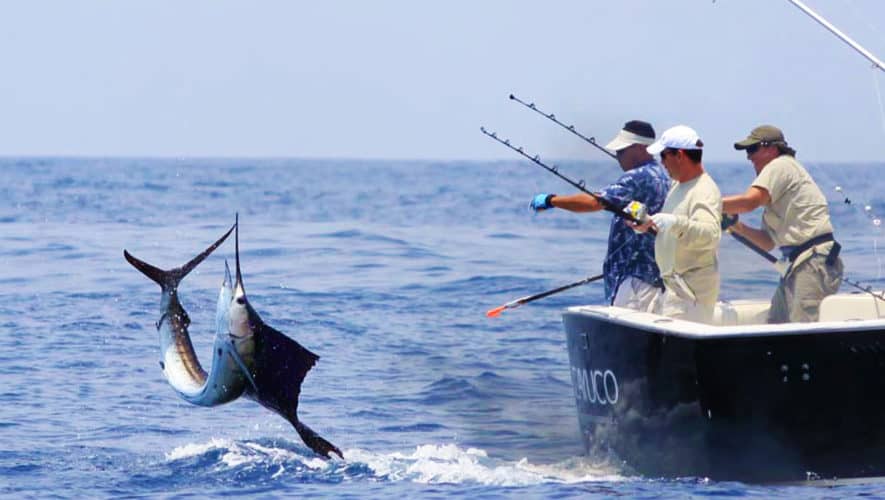
Michael Jordan’s second visit to Costa Rica for recreational fishing in 2025 underscores the growing significance of this activity not only as a leisure pursuit but as a driver of sustainable economic development within the framework of the blue economy. As one of the greatest athletes of all time, Jordan’s presence in our coastal waters brings global attention to a practice that have the potential to be both environmentally responsible and economically transformative.
Tourism fishing, particularly catch-and-release practices, aligns with Costa Rica’s reputation as a pioneer in sustainability. Annually, this activity contributes approximately $520 million to the national economy and supports over 33,000 direct and indirect jobs. With nearly 5% of visitors engaging in fishing tourism between 2017 and 2019, the sector has become important for the livelihoods of many coastal communities. Beyond the rod and reel, fishing tourists often extend their trips, engaging in complementary activities that spread economic benefits across various sectors. A very democratic dollar.
Jordan’s visit is a case in point. His pursuit of marlin and sailfish exemplifies how responsible marine tourism can attract high-profile individuals and their entourages, generating media coverage and inspiring others to explore Costa Rica’s rich marine biodiversity. The image of Jordan celebrating a successful fishing trip reflects not just personal accomplishment but the broader potential of combining recreation, conservation, and economic growth.
The concept of the blue economy advocates for the sustainable use of ocean resources to enhance human well-being and economic development while conserving the marine environment. Costa Rica has promoted marine protected areas and developed policies to support marine tourism, research, and innovation. These initiatives not only safeguard biodiversity but also create opportunities for equitable growth in coastal regions.
However, challenges remain. In Costa Rica coastal communities still face socio-economic disparities, and the sustainable management of marine resources requires continued investment in infrastructure, education, and enforcement. For example, Costa Rica’s Strategic Territorial Economic Strategy for an Inclusive and Decarbonized Economy 2020-2050 identifies opportunities for marine innovation hubs and better facilities for the fishing industry. These initiatives must now be integrated into national development plans to ensure long-term benefits.
Globally, the blue economy offers immense opportunities, as highlighted in the World Economic Forum’s 2025 report on sustainable travel and tourism. The integration of sustainable tourism with biodiversity conservation, as seen in case studies like Rwanda’s gorilla tourism, mirrors Costa Rica’s aspirations for marine tourism. These examples demonstrate the power of aligning tourism revenue with conservation and community benefits.
In Europe, the governance of recreational fishing further illustrates the importance of structured policies and stakeholder collaboration. A recent study emphasizes that effective governance, including clear policies and co-management, enhances societal benefits while ensuring sustainability. These lessons could help shape Costa Rica’s strategy for harmonizing fishing tourism with its broader marine conservation objectives.
Michael Jordan’s high-profile visits highlight the global appeal of Costa Rica’s fishing tourism and the untapped potential for further development within the blue economy. By fostering collaborations between government, private sector, and community stakeholders, Costa Rica can position itself as a leader in marine sustainability and economic inclusivity.
Ultimately, the path to blue economy lies in understanding that healthy ocean equates to prosperous communities. Responsible marine tourism, exemplified by fishing tourism, serves as a beacon of what’s possible when conservation and economic interests align. Michael Jordan’s journey into Costa Rican waters is more than a personal milestone—it is a call to action for us all to champion sustainable marine practices that conserve the natural wealth of our ocean for generations to come.
Author
Damián Martínez-Fernández
Director of Conservation and Public Policy
Costa Rican Federation of Fishing (FECOP)