

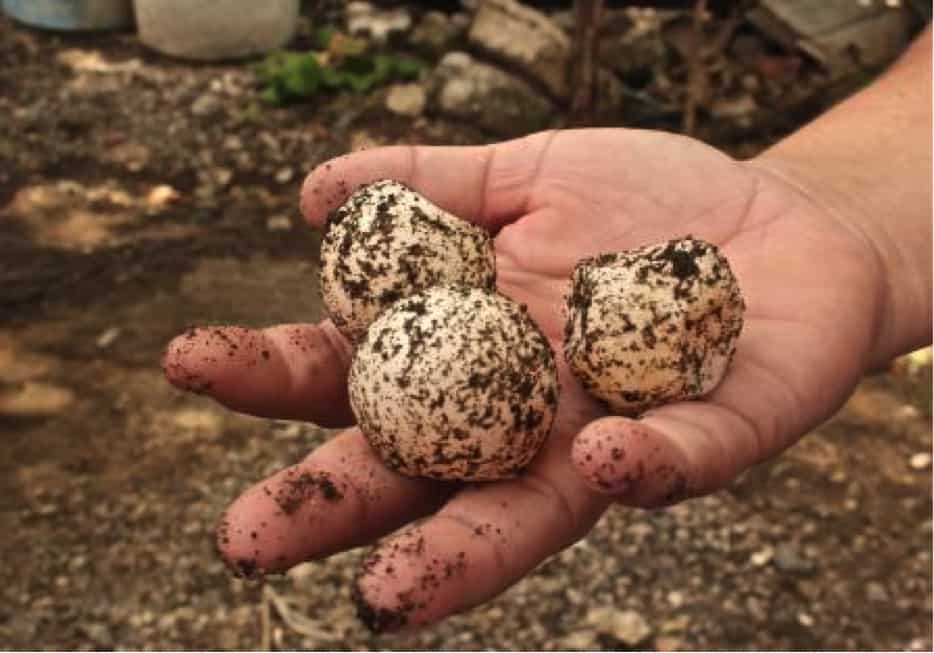
Videos showing hundreds of turtle eggs scattered across the sand at Ostional National Wildlife Refuge raised concern this week, after strong Pacific swells eroded parts of one of Costa Rica’s best-known nesting beaches. The images, shared widely on social media, showed eggs exposed along sections of Playa Ostional, in Guanacaste, where olive ridley turtles arrive in mass nesting events known as arribadas.
The scene quickly drew attention from residents, wildlife guides, tourists and environmental groups because Ostional is one of the most important nesting sites for the species. Costa Rica’s National System of Conservation Areas (SINAC) said the incident looked serious but does not appear to represent a major threat to the refuge’s turtle population.
Mauricio Méndez, an official with the Tempisque Conservation Area, said the swells caused erosion in parts of the main nesting beach. Many of the exposed eggs, however, came from nests laid during the dry season, when conditions were poor for embryo development. May also brought very little rainfall, reducing the chance that many of those nests would hatch successfully.
Sinac said the erosion did not cause what it considers a significant impact on turtle nesting or on the marine turtle population that returns to Ostional.
The incident happened shortly after an arribada that began in the early hours of Sunday, June 7. Local tour operator Turtleland Tours posted video showing sections of beach covered with eggs and reported that the surf was still affecting nesting areas on June 9. The group said some of the eggs appeared to come from older nests, while others may have been from more recent nesting activity.
The rough sea conditions were due to the effects of Tropical Storm Cristina and a period of strong Pacific swells that affected several coastal areas. The surf reached parts of the beach where waves do not usually arrive with that force, changing the shape of the sand and exposing nests.
Ostional’s natural cycle already includes a high loss of eggs. During arribadas, thousands of turtles can nest in the same area over a short period, and later arrivals often disturb earlier nests. Some eggs are lost to predators, tides, erosion or natural beach movement. That is part of the complex balance that makes the refuge unusual.
The concern now is not one isolated event, but how often severe swells, storms and coastal erosion may affect nesting beaches in the future. If these events become more frequent or intense, they could reduce hatching success over time and place added pressure on beaches used by sea turtles.
The videos also renewed attention on responsible tourism at Ostional. Visitors come from across Costa Rica and abroad to see the arribadas, but access to nesting areas is controlled to protect the turtles and their nests. Travelers are expected to enter with authorized local guides, avoid flash photography, keep distance from nesting turtles and follow refuge rules.
For now, Sinac’s message is measured because even though the images were dramatic, and some eggs were lost, authorities do not believe the incident seriously damaged Ostional’s nesting population.
The refuge remains under observation as coastal conditions shift and the rainy season continues along the Pacific.





