

Costa Rica woke up this Sunday to extraordinary news from the Pacific coast. Abraham Ríos, a 28-year-old fisherman who had been missing since the early hours of June 8 following the capsizing of the panga Roxana II off the coast of Santa Cruz in Guanacaste, was found alive at sea this afternoon.
According to the Cruz Roja Costarricense, Ríos was spotted adrift in open water by the crew of another vessel passing through the area near Marina Flamingo. Those fishermen immediately alerted the authorities, and rescue personnel were deployed to reach him. He was taken aboard and transferred to the Clínica de Santa Cruz in urgent condition, suffering from severe dehydration after spending nearly a week at sea with no confirmed access to food or fresh water.
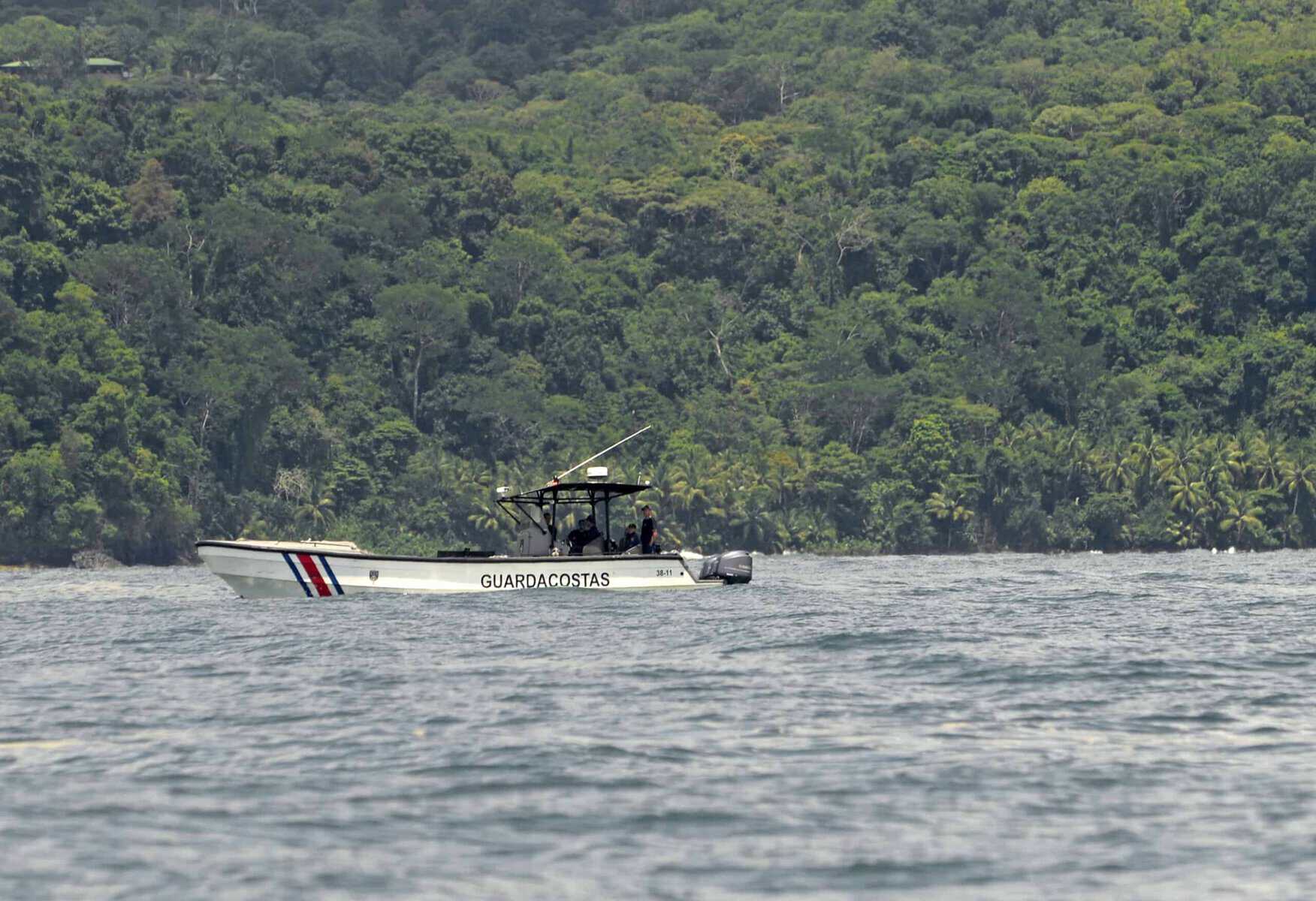
The Coast Guard also confirmed the rescue operation and said search efforts by both sea and air remain fully active. In a development that has given families and rescue teams renewed hope, the Cruz Roja Costarricense issued a statement noting that, according to Ríos himself, at least one other person is still alive somewhere at sea and in distress. That single piece of information transformed Sunday afternoon from a moment of cautious relief into an urgent new phase of the search operation.
The Roxana II departed Playa San Juanillo on the night of June 7 carrying four crew members. Tropical Storm Cristina had been battering Costa Rica’s North Pacific coast, with swells reported at up to five meters, conditions the national weather service had classified as high risk for small vessels.
The four men on board were identified as Yanier Francisco Baltodano Arias, Ramón Antonio Baltodano Mojica, José Luis Palacios Palacios, and Abraham Ríos. Contact was lost in the early hours of June 8, and the search operation has been running ever since, covering more than 3,150 nautical miles of open ocean across 19 hours of aerial surveillance.
Sunday’s rescue is the second miracle to emerge from this tragedy. The first came on June 9, when Jonny Rodríguez Oporta, a Nicaraguan fisherman from the separate panga Kila, which had also capsized in the same storm, was found standing on the overturned hull of his vessel after surviving 36 hours at sea. He was found near Playa Tamarindo, roughly 23 kilometers from where he had gone missing, and was transferred to a hospital in critical condition due to dehydration.
Both rescues point to something remarkable about human endurance, and also to the grim reality that drives men to sea in conditions like those produced by Tropical Storm Cristina. These are not reckless decisions. They are economic ones, made by fishermen for whom staying ashore means going without income, without the ability to feed families or pay rent in communities where artisanal fishing is the only viable livelihood many households have.
The fact that Abraham Ríos survived six days adrift in the Pacific, in conditions that would defeat most people within hours, and arrived conscious enough to tell rescuers that someone else was still out there, is the detail that will define this story. Rescue teams are now racing against time and sea to find that person before nightfall.
Three of the four men from the Roxana II remain unaccounted for.
The search continues.





