

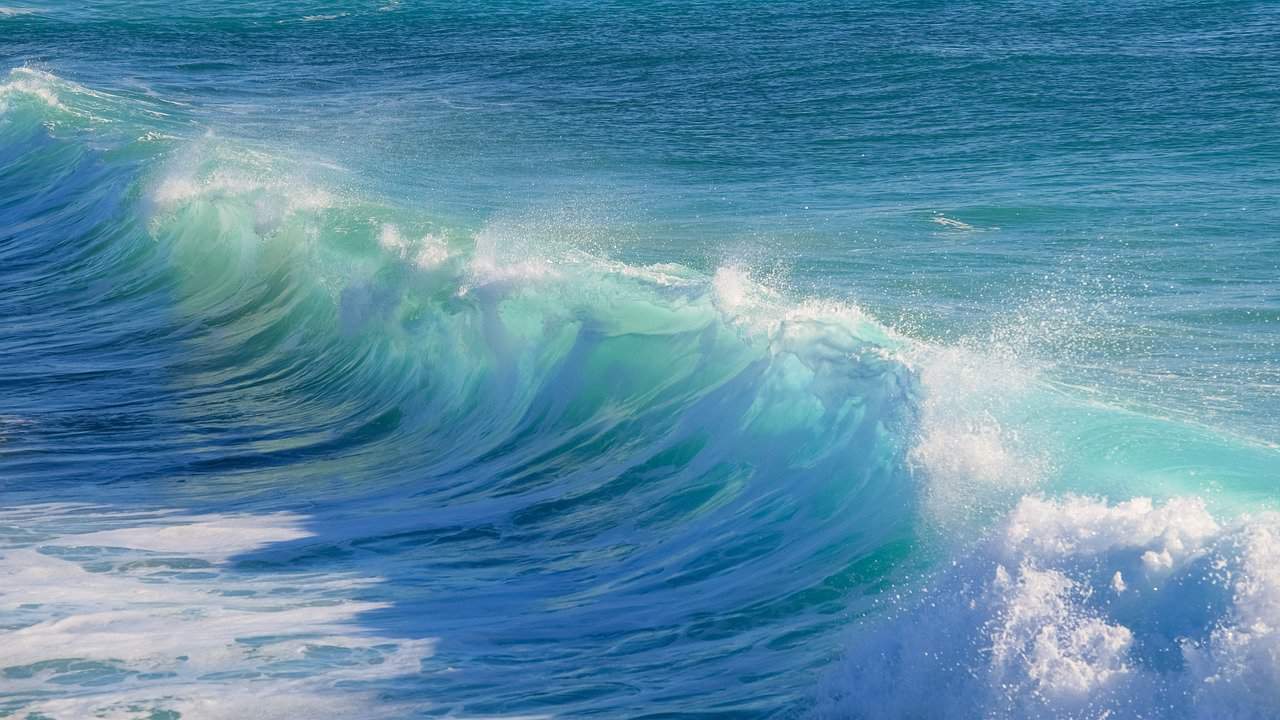
If you’re planning beach days on the Caribbean side over the next several days, plan for rough water. Waves are running above two meters and could climb to around three meters — roughly 10 feet — along Costa Rica’s Caribbean coast, and the bigger swell brings a real risk of rip currents, choppy seas and beach erosion. The people most exposed are swimmers and anyone taking out a small boat. On the Pacific side, conditions look much calmer, so if your trip is flexible, that’s where to head for a swim.
The swell is being pushed by strong winds far out over the sea, and that same energy keeps arriving at the shore wave after wave for days at a time. That matters because it’s not a single bad afternoon you can wait out. Expect the pattern to hold for several days before it eases, according to the University of Costa Rica’s oceanographic unit, MIO-CIMAR, which tracks sea conditions along both coasts.
The main danger for swimmers is rip currents. A rip is a narrow channel of water moving fast back out to sea, and it forms more easily when waves are this big. You can’t outswim one head-on, and trying to is how strong swimmers get into trouble. If a current starts pulling you away from the beach, don’t fight straight back toward shore.
Swim sideways, parallel to the beach, until you feel the pull release, then angle in. If you can’t break free, stay afloat, wave an arm and call for help rather than exhausting yourself. The water often looks deceptively flat right where a rip is running, so calmer-looking patches between breaking waves are not the safe choice they appear to be.
For families, the simplest rule this week is to keep young children in ankle-to-knee-deep water only, and to keep them within arm’s reach the whole time. Waves this size can knock a small child off their feet and drag them out in seconds, and erosion can carve sudden drop-offs into a beach that looked gently sloping the day before. Pick a beach with a lifeguard if you can, swim near others rather than on an empty stretch, and skip the water entirely if red flags are posted or if there’s no one around to help.
If you run a boat, this is a week to stay in unless you have to go. The risk is highest at river mouths, estuaries and open, exposed stretches of coast, where the swell stacks up and breaks hard. Small and mid-sized craft can be swamped launching from the beach or crossing a river mouth, so check conditions before you commit, tell someone your plan, and wear a life jacket.
The Pacific coast, meanwhile, is expected to stay favorable for both swimmers and boaters through this stretch, so a Pacific beach is the low-stress option for a family swim day right now. Conditions on the Caribbean side should start to settle as the winds ease later in the period — until then, treat the Caribbean surf as something to enjoy from the sand rather than in the water.





