

Rural women in Costa Rica are playing a growing role in climate adaptation, sustainable agriculture and food security, with new support from United Nations-backed projects aimed at helping farming communities respond to hotter temperatures, irregular rainfall and long-standing gaps in access to resources.
The United Nations in Costa Rica has highlighted the work of women farmers who are improving their production, protecting soil and water, and strengthening local food systems in some of the country’s most vulnerable rural areas. The effort focuses on practical training, local governance, healthier diets and new infrastructure for small-scale producers.
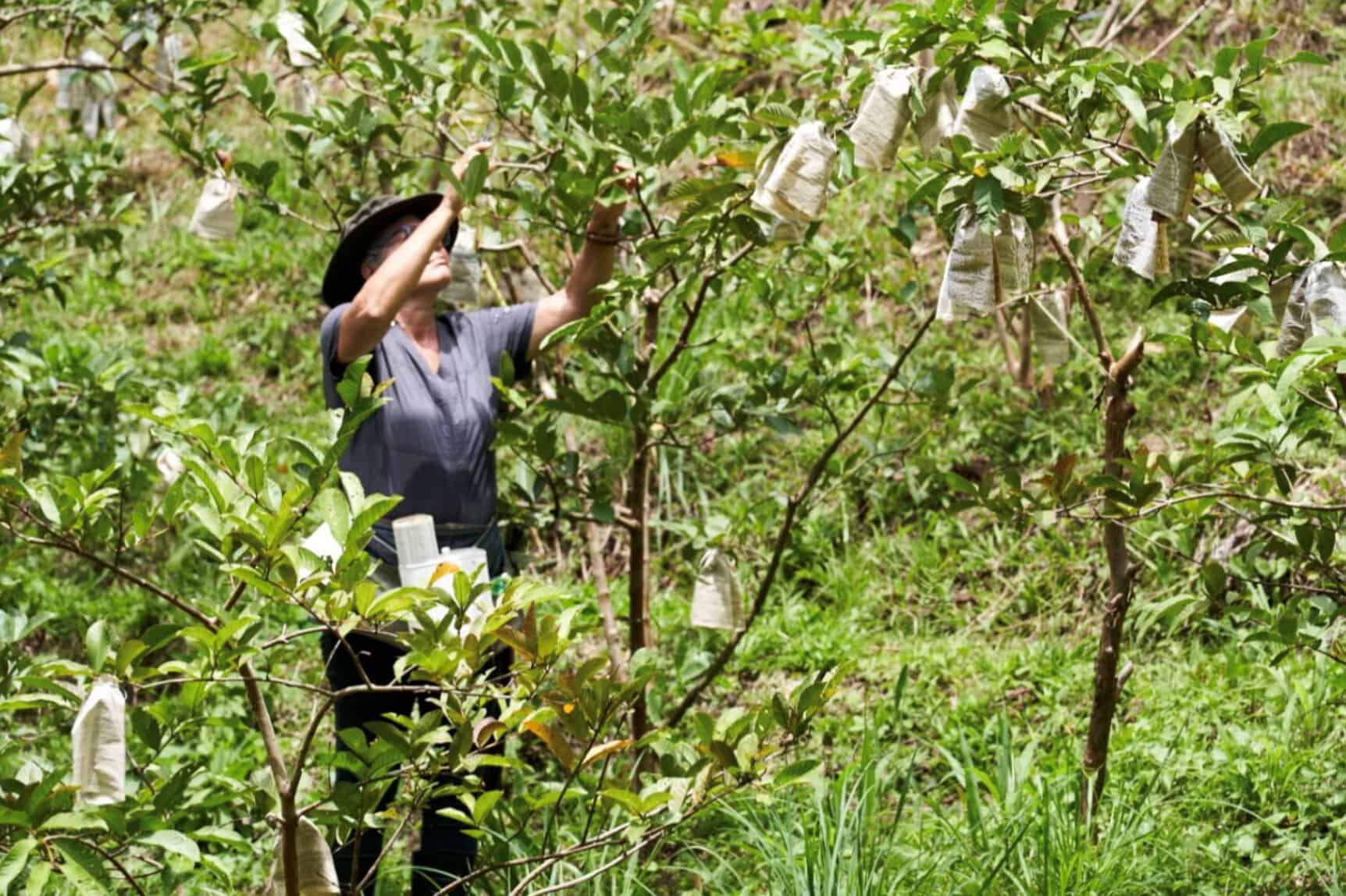
One of those women is Olga Vargas, a farmer from Ujarrás, in Buenos Aires de Puntarenas, in southern Costa Rica. Vargas has worked in agriculture for 15 years, building a life around the land where she was born. For her, farming is not only a source of income. It is also tied to family, place and the daily rhythm of rural life.
Her community faces many of the same pressures felt across rural Costa Rica. Buenos Aires is an area where family farming, Indigenous communities and poverty overlap with the rising impacts of climate change. Higher temperatures, shifting rainfall patterns and stronger weather events have affected production, increased pests and made it harder for farmers to rely on traditional growing cycles.
Those pressures fall especially hard on women. Across Costa Rica’s agricultural sector, women remain underrepresented as formal producers and landholders. Many face barriers to credit, technical assistance, land ownership and productive assets, even as they carry major responsibilities on farms and at home.
The project Empowering Communities in Sustainable Agri-Food Systems was created to respond to those challenges in Buenos Aires and Guatuso. The initiative is funded by the Sustainable Development Goals Fund and implemented by the Food and Agriculture Organization of the United Nations and UNICEF, in coordination with Costa Rica’s Ministry of Agriculture and Livestock, Ministry of Health and local governments.
The program works with farming families to strengthen local food systems from several angles. It supports better agricultural practices, community organization, local consumption, school and community gardens, and access to tools that help producers adapt to a changing climate.
For Vargas, one of the biggest changes came through training in soil management and sustainable production. She learned to treat soil as a living system, not as a passive resource. That shift led her to open her farm as a learning space for neighbors, where other producers could take part in practical workshops on soil care, water use and sustainable farming.
The project also helped Vargas improve water management on her farm. A new irrigation system and water reservoir now allow her to grow guavas throughout the year, reducing her dependence on seasonal rainfall. With that support, she expanded her orchard from 100 to 140 guava trees.
The water system also helped her diversify production. Vargas now combines guava growing with aquaponics and tilapia farming, reusing water from fish production to support fruit trees. The system helps conserve water, makes the farm more productive and gives her family another source of food and income.
The changes are small in scale but large in impact. For a rural producer, reliable water can mean the difference between losing a crop and harvesting throughout the year. For a farming family, a more diverse farm can reduce economic risk and improve food security.
The work in Buenos Aires also reflects a broader push in Costa Rica to make food systems more sustainable and more resilient. The national strategy “Costa Rica Towards Sustainable and Healthy Agri-Food Systems 2023-2026: from the field to the plate” seeks to improve production, local markets, food access, traceability and healthy diets.
Women and rural youth are central to that effort. In many communities, they are already adopting climate-resilient practices, managing natural resources and helping keep local food production alive. But without access to credit, training and infrastructure, their ability to grow remains limited.
The case of Olga Vargas shows what targeted support can do. Training gave her new tools. Irrigation gave her more control over production. Community workshops turned her farm into a shared learning space. Tilapia farming and guava production gave her a more stable base for her family’s livelihood.
For Costa Rica, climate resilience is not built only through national plans or large infrastructure projects. It is also built on small farms, in rural communities, and by women who are already adapting their work to tougher environmental conditions.
As climate change continues to reshape agriculture, projects that combine gender equality, local knowledge and practical farm-level investment could become increasingly important. In communities like Ujarrás, women farmers are showing that sustainable development starts with access to tools, water, land, training and the chance to lead.





