
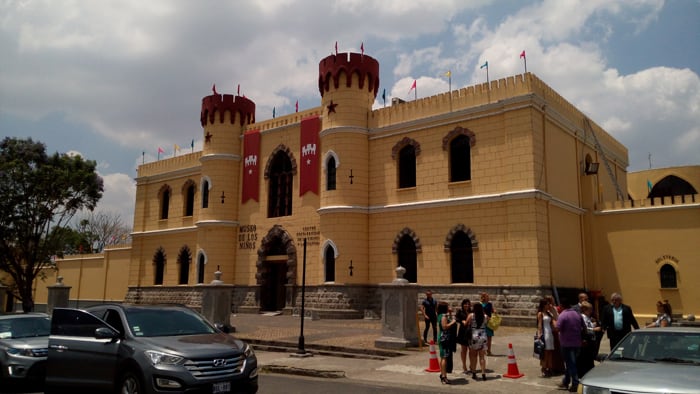
The Costa Rican Tourism Institute has put together a guide that spotlights the country’s museums, offering details for travelers who want to explore cultural sites. This 48-page booklet lists key facts about various museums and comes with translations in English for international visitors.
Officials at the institute point out that Costa Rica maintains a strong system of museums focused on preserving and sharing the nation’s heritage. “Costa Rica has an important network of museums dedicated to collecting, guarding, displaying cultural heritage and trying to disseminate our values,” the institute notes in the guide.
One standout spot in the Caribbean region is the Cacao Museum, part of Cacao Trails in Limón province. The site traces the story of the cacao fruit, showing old machinery for processing and drying cocoa from past decades. Visitors follow the steps that transform the fruit into chocolate.
Guests sample beans at different points in production and end with tastings of various chocolates. The museum sits in a setting that supports activities like trails through botanical gardens, bird spotting in a private reserve, and hands-on learning about local cocoa traditions.
Further south, in Buenos Aires de Puntarenas, the Indigenous Boruca Community Museum safeguards the traditions and environment of the Boruca people. It features methods passed down for generations in crafting and textile work.
The museum opened with assistance from the National Museum and the Central Bank Museums, which provided support in organization and resources. A shop on site sells items handmade by Boruca artisans. The structure itself mirrors the style of traditional ranches from earlier eras.
In Guanacaste, Punta Islita hosts an outdoor museum of contemporary art that started in 2003. This open-air collection promotes art as a way to foster community progress and sustainability.
The project began through efforts by Hotel Punta Islita, which aimed to link tourism with local advancement. Leaders saw art’s flexibility and reach as a means to aid residents. More than 15 works dot the village, turning it into a space where creativity meets everyday life.
These museums represent just a portion of what Costa Rica offers in cultural experiences. The guide covers options across regions, from urban centers in the capital to rural spots along the coasts.
Travelers interested in history, art, or indigenous practices find these sites provide direct connections to the country’s past and present. The booklet helps plan visits, with contact details and hours for each location.
For the full roster of museums and more specifics, check the guide