

Over the last seven years of testing out tropical food species at Costa Rica’s Rancho Mastatal, we found that some plants that grow well here are not palatable to certain individuals or groups of people. Okra grows like a weed, but we have a hard time getting visitors to appreciate its mucilogenous consistency. Our jackfruit trees produce hundreds of pounds of fruit, but many of our neighbors find them too sweet to eat. Native palms like flor de itabo (Yucca gigantea) are local favorites, but taste bitter and unfamiliar to guests.
One of our challenges is to find plants that grow well in the place where we live that are also culturally acceptable, and then adapt recipes and methods of preparation that synchronize all the factors into something delicious.
There are always solutions. Okra can be fried in palm oil, thus eliminating its slime. Even if jackfruit is too sweet straight up, everyone loves it mixed with milk and frozen into ice cream! And once guests see flor de itabo in bloom, they are generally pretty excited to eat its slightly bitter yet delicate and nutritious flowers.
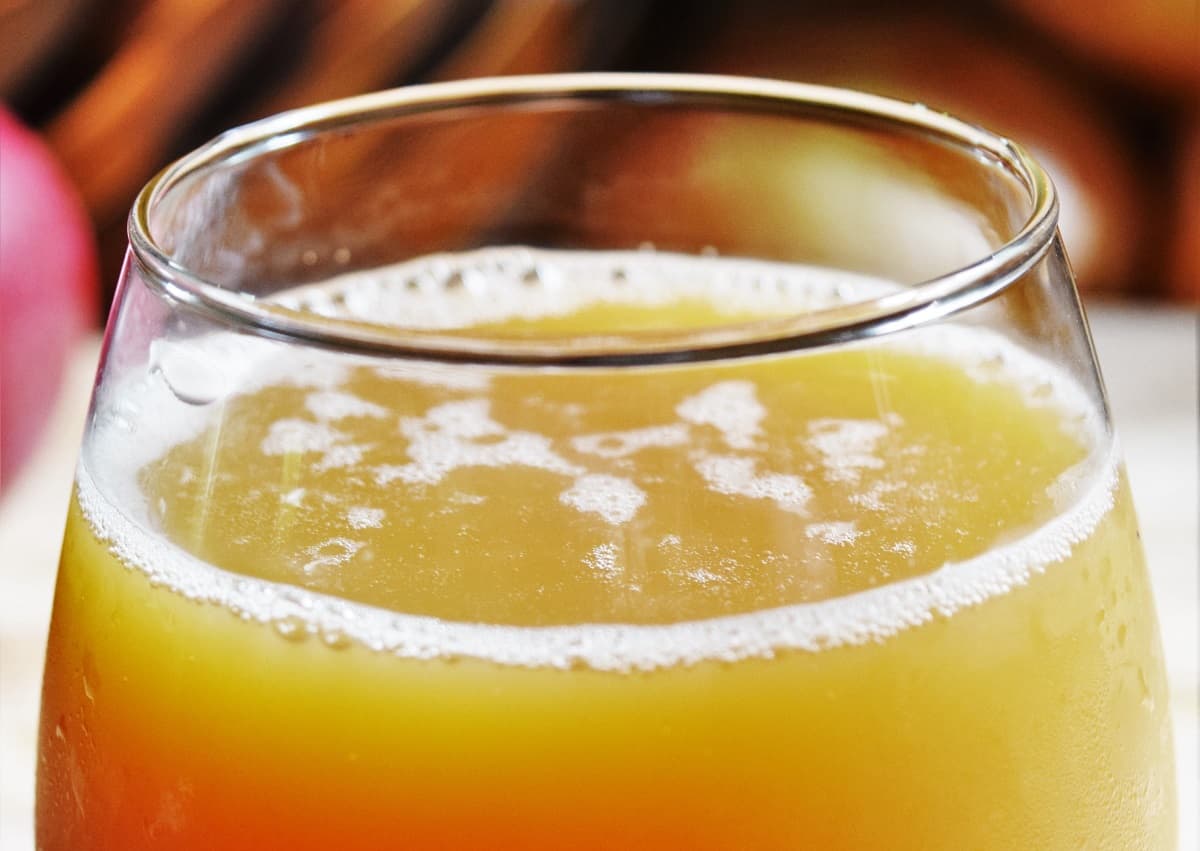
But if there is a single food that “wows” just about everyone who tries it, all the time, no matter what, and is made from one hundred percent local ingredients, it’s got to be ginger beer.
Spicy and sweet, bubbly and probiotic, medicinal but delicious, ginger beer is one of my all-time favorites. It’s a soda that’s good for you!
Ginger beer is a fermented soda made with indigenous microorganisms. It’s brewed in a two-part process, beginning first with the cultivation of your own yeast garden (sometimes referred to as a “Ginger Bug”), and second, mixing the yeast garden with ginger, water, and sugar, and letting it ferment.
It’s easy, good for you, everybody likes it, and now you can make it!
How To Make Ginger Beer in Costa Rica
Step 1: Make a Wild Yeast Garden (the “Ginger Bug”)
Ingredients:
- 1 cup water
- 2 teaspoons tapa de dulce syrup (to make the syrup melt 1 lb tapa de dulce in 1 cup hot water, then cool)
- 2 teaspoons grated ginger
- Small glass jar with cloth to cover
Directions:
- Mix all ingredients in a glass jar, stir, and cover tightly with a cloth. This allows for free air circulation while keeping out insects. Keep the jar in a dark, warm place.
- Every other day add another two teaspoons tapa de dulce syrup and two teaspoons grated ginger. Don’t worry too much about exact amounts—I usually add a dollup of syrup and a few pinches of ginger. Stir daily.
In two to six days in tropical weather, wild yeast will begin to grow in your yeast garden. They will consume the sugar, ginger, and water, and reproduce quickly with the abundance of oxygen. As they become more active, the top of the water will look a little frothy and will smell like fresh, yeasty fermentation.
Once you see bubbles, a little froth, and smell yeast, the culture is active and ready to use in step two to brew the ginger beer.
Step 2: Brew the Ginger Beer (yields 2 liters)
Ingredients:
- 1 cup or more grated ginger root
- 1 cup tapa de dulce syrup
- Juice of 1 lemon
- Water
- ½-1 cup active Yeast Garden
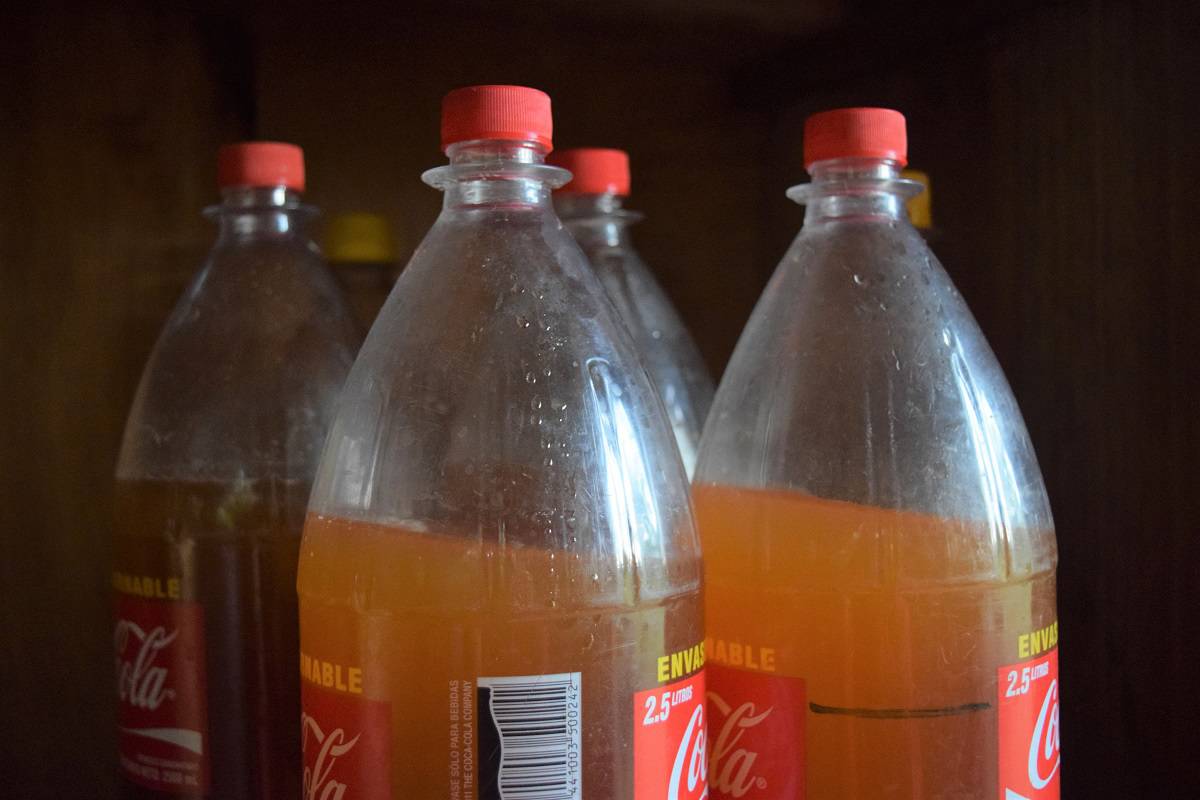
- 1 2-liter soda bottle with cap
Directions:
- Fill the soda bottle about 3/4 of the way with water.
- Add the tapa de dulce syrup and lemon juice.
- Pour your Yeast Garden through a mesh strainer to remove pieces of ginger. Pour the liquid from your Yeast Garden into the soda bottle.
- Squeeze the grated ginger tightly in your hands over a bowl and reserve the juice.* Add the juice to the soda bottle. You should use 3-6 tablespoons of ginger juice per 2-liter bottle, depending on how spicy you like your ginger beer.
- Make sure there is at least 3 inches of air space in the soda bottle. Cap it tightly and store it in a dark place at room temperature.
- Let the mixture ferment for 1-3 days, or until the bottle is firm to the touch. When the bottle is firm, carefully release excess pressure by loosening the cap, then chill and serve.
*The squeezed ginger pulp can be set aside for making tea or adding to other recipes.
(Courtesy of Laura Killingbeck)
The Fermentation Process — what’s happening?
As the yeast from your yeast garden mingle with your ginger beer, it consumes sugar and water in the solution and transforms it into carbon dioxide, organic acids, and a small amount of alcohol. This transformational process by microorganisms is fermentation.
The natural production of carbon dioxide, when trapped in the confines of a soda bottle, builds up inside the bottle and carbonates it. Be careful, though — if you let the bottle ferment too long, the carbon dioxide will cause it to explode! Ginger beer is delicious, but it has a dangerous edge. Use caution and common sense.
As fermentation progresses over time, a small amount of alcohol is created in your bottle. Within the 1-3 day period, this level is so small that the beverage is considered a soda or soft drink—it is “non-alcoholic.” But if you continue to let the mixture ferment for longer (releasing pressure periodically in the bottle so it doesn’t explode), alcohol levels will build up and you will have a true Ginger “Beer” that can become substantially alcoholic.
Homemade ginger beer is healthy because it’s made from real ingredients: fresh ginger and unrefined cane sugar. Ginger has long been used medicinally to reduce nausea, improve digestion, and combat common illnesses like the flu. Ginger beer also contains beneficial probiotic microbes which improve digestion and help regulate the immune system.
To learn how to make ginger beer with Laura, register for her annual Fermentation Class or schedule a workshop through Rancho Mastatal.
Recommended Reading: Shaping Costa Rica’s food culture with tourism
Laura is the Director of Food Systems and Fermentation at Rancho Mastatal Sustainability Education Center. The Ranch is a community and education center near Puriscal, Costa Rica, that hosts residential workshops in food, permaculture, natural building, and more.
This article first appeared in 2017





