

Violence, socio-political instability and environmental crises that have affected the region in recent years will have caused one million Central Americans to have forcibly migrated by the end of 2020, according to the Office of the United Nations High Commissioner for Refugees (UNHCR).
“At the end of 2020, it is estimated that the number of people forced to flee from and in Central America will reach 1 million,” the entity of the organization, with regional headquarters in Washington, said in a statement.
According to the institution, among the displaced people are more than 800,000 who “have fled the violence and persecution” of gangs.
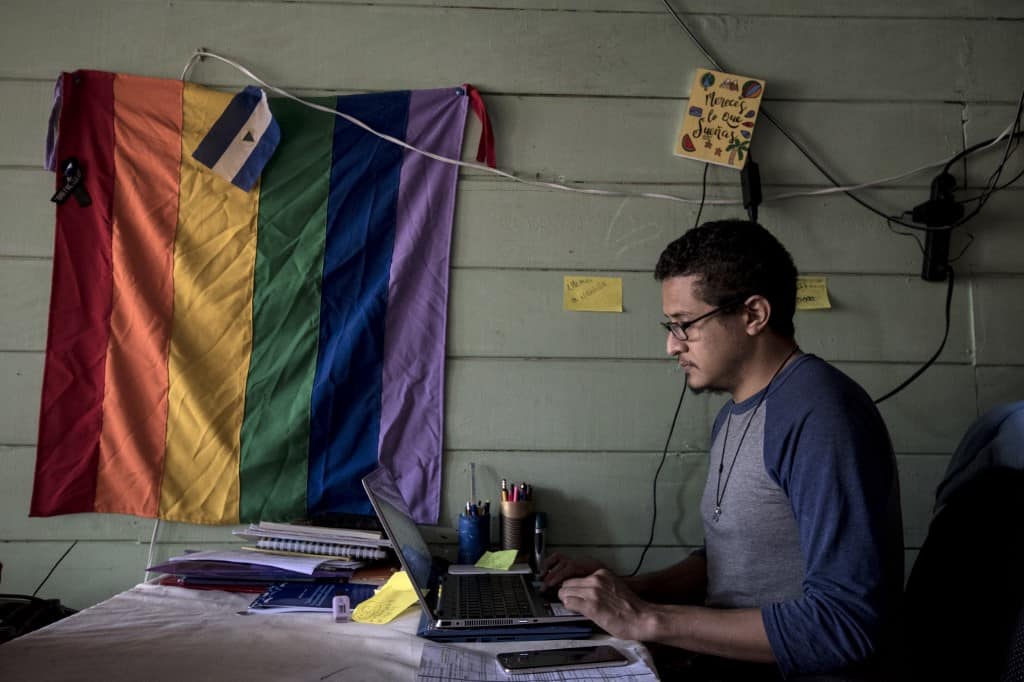
“To these are added more than 108,000 people who escaped the socio-political crisis in Nicaragua since 2018,” the UNHCR says.
Facing this crisis, Belize, Costa Rica, El Salvador, Guatemala, Honduras, Mexico and Panama on December 8 will issue a joint declaration to address the situation within the framework of the Comprehensive Regional Framework for the Protection and Solutions (MIRPS) .
The pro-tempore Presidency of the MIRPS, sponsored by the UN, is currently held by El Salvador and will be assumed by Guatemala in 2021.
“The situations of violence facing the region have been exacerbated by the COVID-19 pandemic,” the statement added.
Apart from the socio-economic effects, “the pandemic has impacted the progress made” in protection and solutions to forced displacement in the region.
“In addition, climatic emergencies, such as hurricanes and tropical storms, have affected millions of people in Central America and Mexico, thousands of whom have had to be evacuated from their homes,” the UNHCR says.
Hundreds or thousands of people have been displaced within their country due to environmental disasters.
A pair of major hurricanes, Eta and Iota, struck northern Nicaragua in early and mid-November. While they lost strength on landfall, the intense rains they caused left a trail of death and destruction in Central American countries.





