

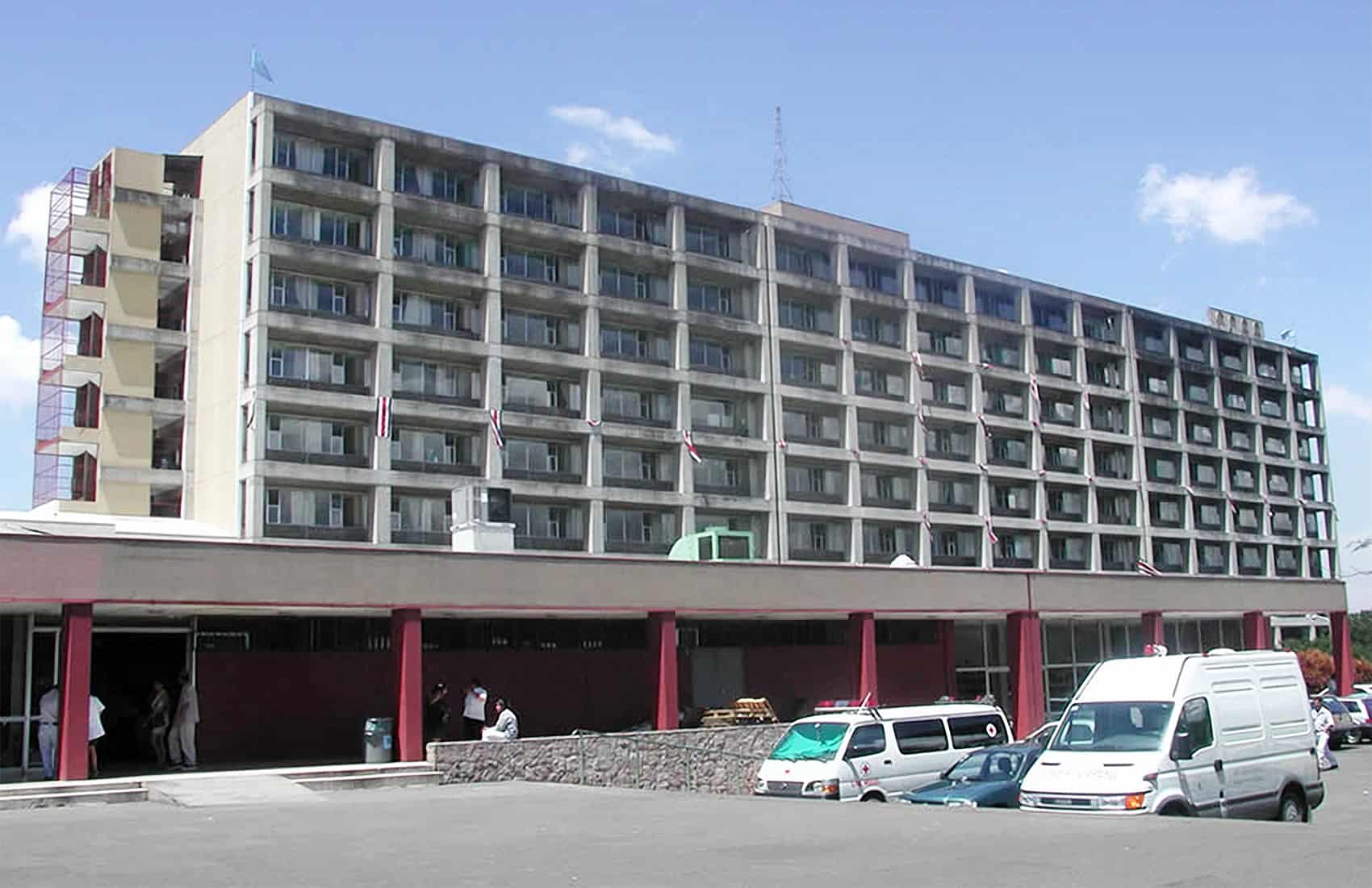
Costa Rica’s public health system has put backup plans in place for a nationwide strike called for today over problems with workers’ pay. Emergency care and other essential treatments are being prioritized, but patients could face delays in other services. The strike was scheduled to run from 6 a.m. today until 6 a.m. tomorrow. The call covers workers at public hospitals, clinics and Ebais, the neighborhood health centers that provide basic medical care.
As of this morning, the number of workers taking part and the extent of any cancellations had not been independently confirmed. A nationwide strike call does not mean every hospital or clinic has stopped providing services. The Costa Rican Social Security Fund, better known here as the CCSS or Caja, has plans to keep emergency rooms operating and protect care for patients who cannot safely wait. That includes people in intensive care, women giving birth, patients receiving cancer treatment and those needing urgent surgery.
The backup measures include moving staff where they are needed most and adjusting how facilities provide care. Staffing levels and the ability of hospitals and clinics to treat patients are also being monitored. Those measures do not guarantee that every regular appointment, medical test or planned procedure will go ahead as usual. The effect on patients will depend on staffing at each facility.
The dispute centers on complaints that some employees have received incomplete salary payments or have gone without pay. Five labor organizations called the strike to demand full, timely payments. The complaints followed the introduction in July of a new system for managing employee information and payroll. Resolving those payment problems is the central demand behind the planned 24-hour walkout.
For patients, the main unresolved question this morning was how much routine care would be affected. The emergency plans focus on keeping essential services available while protecting people whose health could worsen if treatment is delayed.





