

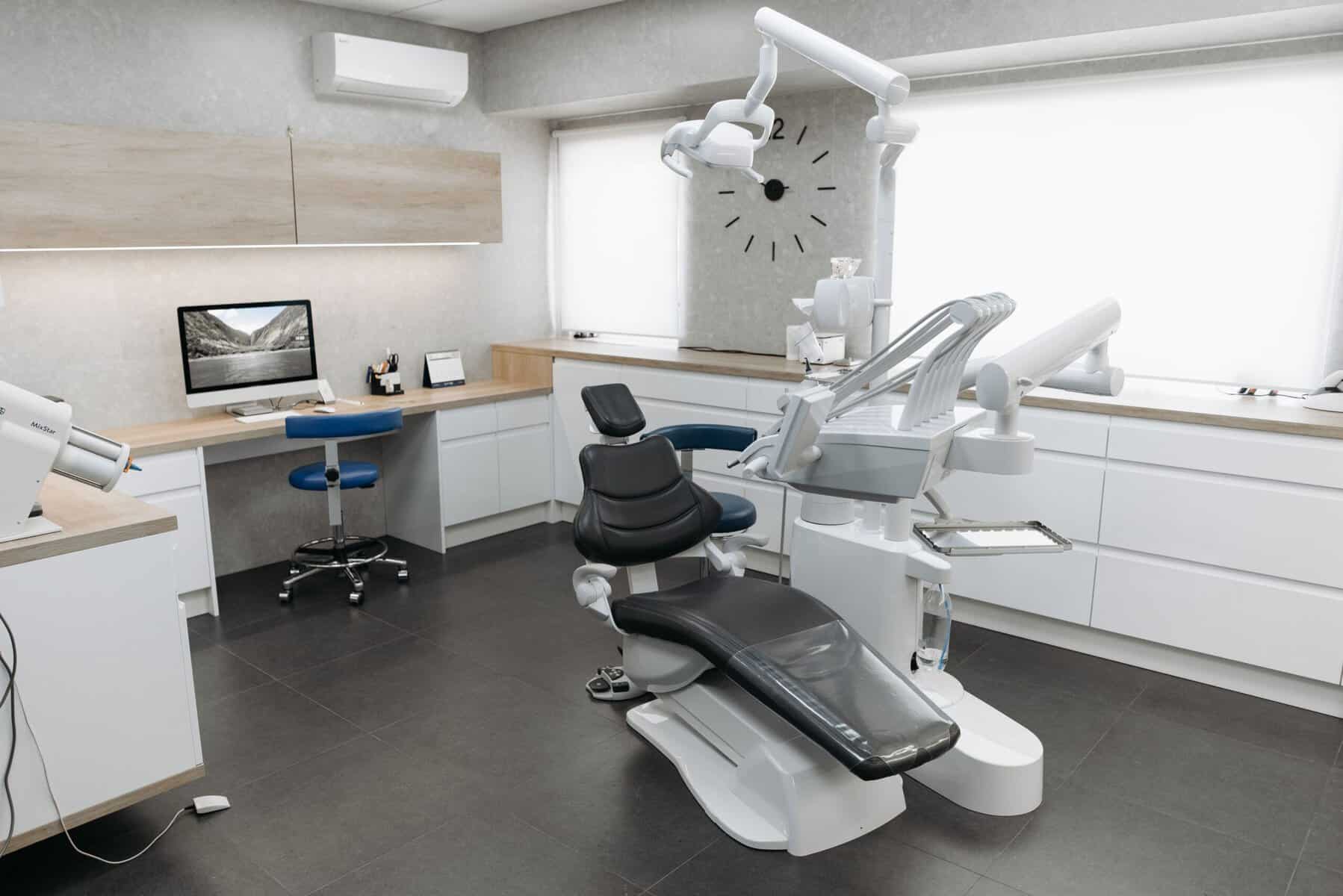
Five dental clinic groups received a new certification this month aimed squarely at foreign patients, the clearest signal yet that Costa Rica intends to compete for a larger share of a market where a single visitor can be worth more than a family of vacationers.
To qualify, a clinic must document experience treating international patients, employ licensed and bilingual specialists, meet infrastructure and technology standards, follow safety protocols, coordinate logistics for patients arriving from abroad, hold agreements with complementary service providers, and guarantee the treatments it performs. The certification also builds in follow-up checks to confirm those standards hold.
The economics behind the push are unusually stark. Central Bank figures cited by the Costa Rican Health Chamber put medical tourism at about 13% of international arrivals — roughly 70,000 patients a year, generating around $465 million. The average medical tourist spends about $6,600, more than five times what a conventional visitor spends.Dental work accounts for 42% of demand for international medical services in Costa Rica. More than 80% of those patients arrive from the United States, and roughly 10% from Canada.
That North American concentration is not an accident, and the pressure driving it is getting stronger. A CareQuest Institute for Oral Health report published in June found that about 4% of American adults — nearly 9.6 million people — have traveled outside the United States for dental treatment, most often to reach lower-cost care.Roughly 69 million American adults, about 26% of the adult population, carry no dental insurance at all.
A comparison across seven industrialized countries found the United States the most expensive place to get routine procedures — a root canal averages $838 there, against $542 in Canada and $436 in France.The CDC has found dental care to be the most common reason Americans travel abroad for medical treatment, and the global dental tourism market was valued at $10.9 billion in 2023.
For Costa Rica, the appeal of that patient is not just the procedure. A dental tourist pays a clinic and a laboratory, then also pays for a hotel, ground transportation, restaurants and often tours — frequently for a travel companion as well. Costa Rica does not need millions more arrivals to move the revenue needle if it can attract more visitors in that bracket.
The competition is well established, though. Mexico dominates the American market on proximity alone, Colombia has built a reputation for cosmetic and medical procedures, and Turkey and Thailand draw patients from across the world. Costa Rica currently ranks seventh globally as a medical tourism destination and second in Latin America, behind Mexico.
Winning on price alone is not a realistic strategy from that position. The pitch instead leans on the combination of licensed specialists, direct air connections to North America, political stability, an existing tourism infrastructure and a large resident foreign community that lends credibility to the decision.
The same report that documents the demand also documents the hazard. CareQuest cautioned that patients traveling abroad face variable safety standards, difficulty arranging follow-up care once they return home, and limited legal recourse if something goes wrong. A certification scheme addresses the first of those and only partly addresses the others.
Anyone weighing treatment here can verify a provider independently before booking anything. The Colegio de Cirujanos Dentistas de Costa Rica maintains a public register at colegiodentistas.org, searchable by name, professional code or specialty, showing whether a dentist is currently licensed and in good standing. A dentist practicing in Costa Rica must be registered there — no exceptions, whether they trained here or abroad.
Clinics carry a separate requirement. Every dental facility, general or specialized, must hold a Certificado de Habilitación issued by the Health Ministry covering the physical premises and equipment. A clinic should be able to produce it on request, and a reluctance to do so tells you something.
Two questions are worth settling in writing before any money moves. Ask how long the clinic expects recovery to take before you fly, since booking the return leg too tightly is the most common way a straightforward trip turns expensive. And ask exactly who handles a complication that surfaces after you have gone home, and at whose cost — that answer, more than the quoted price, is what separates a clinic set up for international patients from one that simply accepts them.
Costa Rica has spent decades building a tourism brand on rainforest, coastline and wildlife. Whether it can graft a healthcare industry onto that brand will depend less on marketing than on whether the patients who come return home satisfied and say so.





