

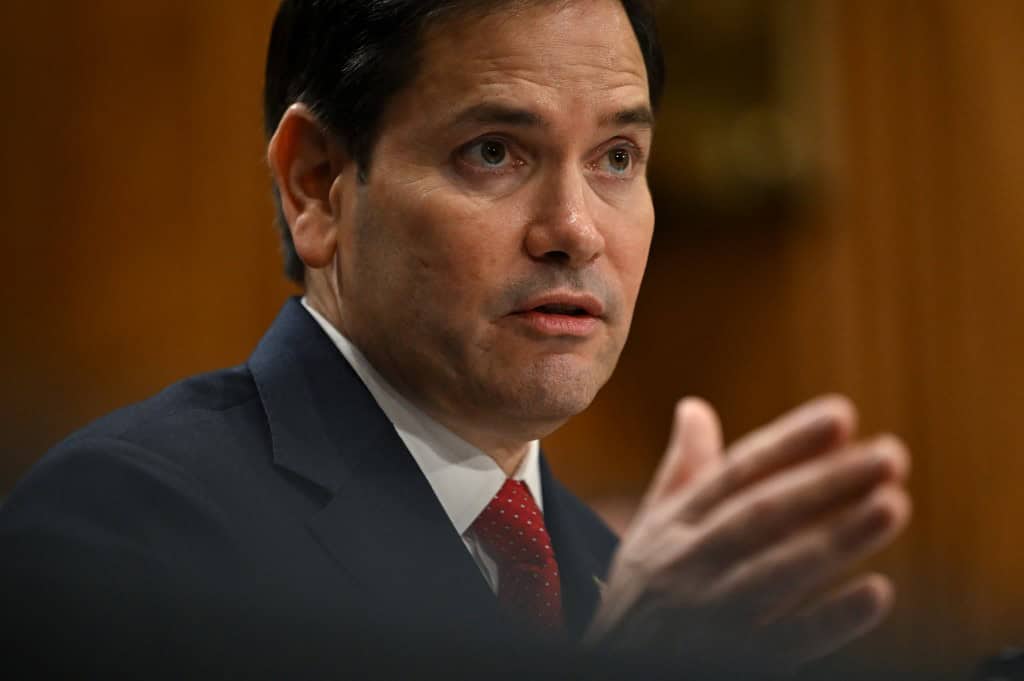
U.S. Secretary of State Marco Rubio spoke with Costa Rican President Laura Fernández today as the two countries look to deepen security cooperation amid growing concern over drug trafficking and organized crime in the region. Rubio called Fernández to reaffirm what the U.S. State Department described as the strong partnership between the United States and Costa Rica.
The two officials discussed opportunities to expand cooperation on security while maintaining close trade and investment ties. The brief U.S. readout did not announce a new security agreement, funding package or specific joint operation, leaving the details of any expanded cooperation unclear. Still, the conversation comes as security has become one of the defining issues of Fernández’s first months in office.
Fernández, who took office on May 8, has pushed a series of proposals intended to give police and prosecutors additional tools against organized crime and repeat offenders. Her administration presented an initial package of six security bills in June and followed it with another group of proposals in late July.
The measures include proposed changes to criminal procedures, police protections, electronic monitoring, criminal records and penalties for certain offenses. Many of the proposals still require approval in the Legislative Assembly. Closer cooperation with Washington would build on an already extensive relationship between the two countries in the fight against drug trafficking.
Costa Rica has long worked with U.S. agencies on maritime drug interdiction, port and border security, police training and investigations targeting international criminal organizations. U.S. officials have identified Costa Rica as an important transit point for cocaine moving north from South America. The Rubio-Fernández conversation also comes during a period of increased U.S. attention to organized crime across Latin America.
Costa Rica participated earlier this year in the U.S.-backed Escudo de las Américas initiative, which brought regional governments together to discuss narcotrafficking, criminal organizations, migration and security cooperation. Former President Rodrigo Chaves attended the initiative’s March summit in Miami shortly before Fernández took office.
For Costa Rica, cooperation with the United States is particularly important at sea since Costa Rica has no standing army, and its security forces include the Coast Guard, Drug Control Police, Public Force and Air Surveillance Service. International trafficking organizations have increasingly used Costa Rica both as a transit route and as a logistics point for cocaine shipments moving through ports and coastal areas.
The issue was highlighted again today when authorities announced the arrest of a Costa Rican police officer and seven other people in connection with an alleged attempt to move 256 packages of cocaine through APM Terminals in Limón. Fernández has made confronting organized crime one of her government’s central priorities, promising a tougher response to narcotrafficking and violent crime while seeking changes to Costa Rica’s policing and justice systems.
Today’s call suggests Washington will remain a major partner in that effort. What remains unanswered is what “deeper” security cooperation will mean in practice. Neither government announced new operations, personnel deployments, equipment transfers or financial commitments following the conversation.





