

El Salvador’s 51st extension of the state of exception took effect Sunday, May 31, and runs through June 29, keeping certain constitutional guarantees suspended as President Nayib Bukele prepares to deliver his annual report to the nation on Monday.
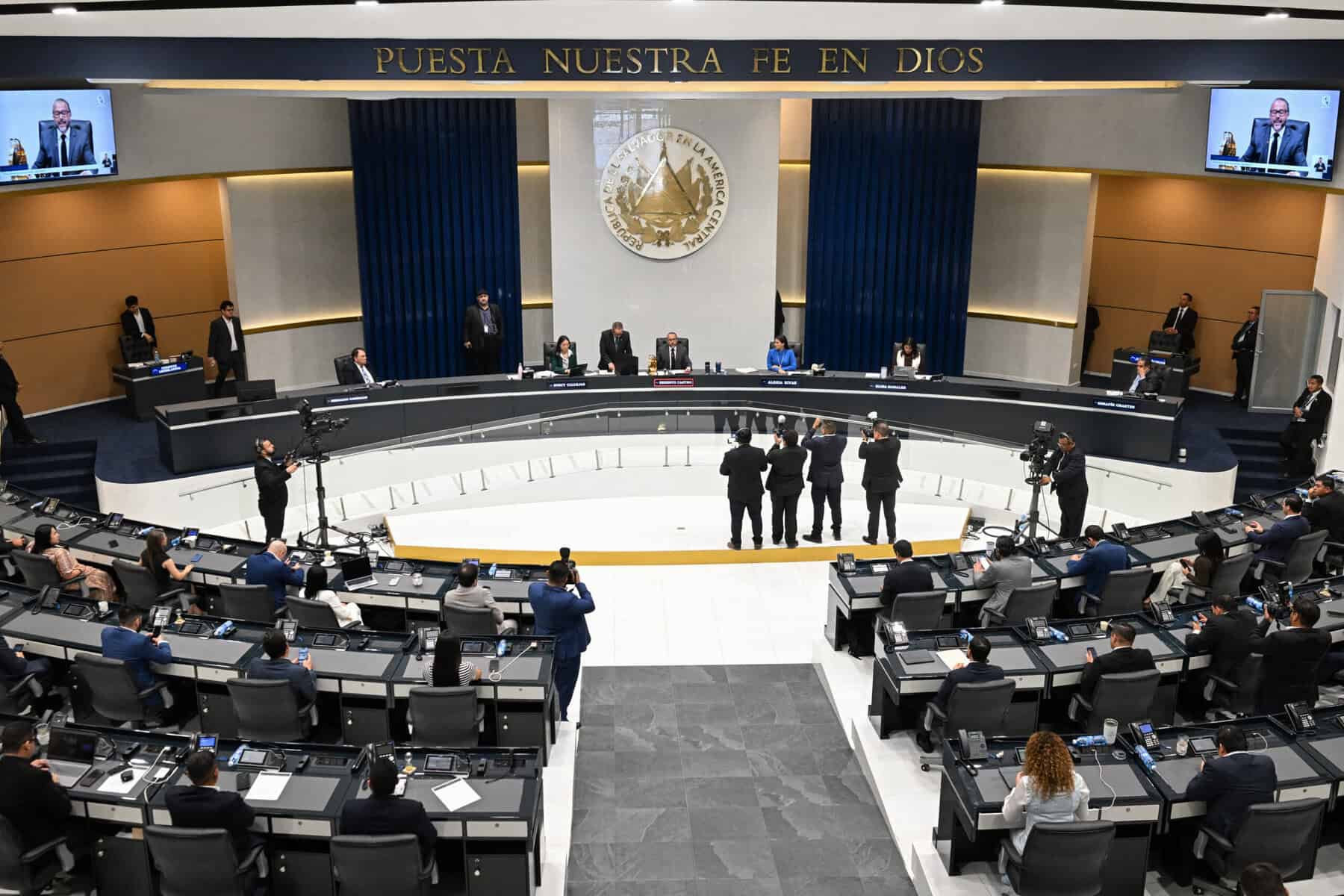
The Legislative Assembly, controlled by Bukele’s Nuevas Ideas party, approved the 30-day extension during its 111th plenary session by a vote of 57 to 1, with the lone dissent coming from the VAMOS party. The decree suspends three guarantees: Article 12, second paragraph, on the right to defense; Article 13, second paragraph, on the maximum period for administrative detention; and Article 24, on the privacy of communications.
The measure has remained in force since March 2022, when it was imposed after a surge in gang-related homicides that, according to the investigative outlet El Faro, followed a presumed rupture in an arrangement between the government and the gangs. Each renewal is requested by the Council of Ministers and ratified by lawmakers.
Official data cited during the plenary put the number of people captured since the measure began at more than 92,300, all accused of belonging to or collaborating with gangs. The figure covers the entire period since March 2022. The government has acknowledged that at least 8,000 of those detained were innocent. The administration credits the policy with a steep decline in violence.
Officials reported that El Salvador closed 2025 with 82 homicides and a rate of 1.3 per 100,000 inhabitants, down from 1.9 the previous year, which the government calls the lowest in the country’s history. Lawmakers from Nuevas Ideas defended the renewal by pointing to that reduction and the mass arrests, and cited a CID Gallup survey in which 97% of citizens said they had not been crime victims in recent months. Critics say the gains have come at a heavy cost.
On the day of the vote, the Movement of Victims of the Regime, or MOVIR, presented a fourth petition to the Constitutional Chamber of the Supreme Court seeking to have the measure declared unconstitutional. MOVIR and the Cristosal foundation have documented arbitrary arrests, mistreatment and torture inside prisons, as well as deaths of people held under the regime. According to figures reported by EFE, the policy has generated some 6,400 human rights complaints, and an estimated 500 people have died in state custody.
The group also reported that people granted measures allowing them to await trial in freedom have since been recaptured. The government has rejected those allegations and defended the policy as necessary to protect public safety.
The current extension leaves the rules unchanged, and no modification to the scope of the suspensions was announced. Security forces continue to operate with the expanded powers granted by the decree, which will expire on June 29 unless lawmakers approve another renewal.





