

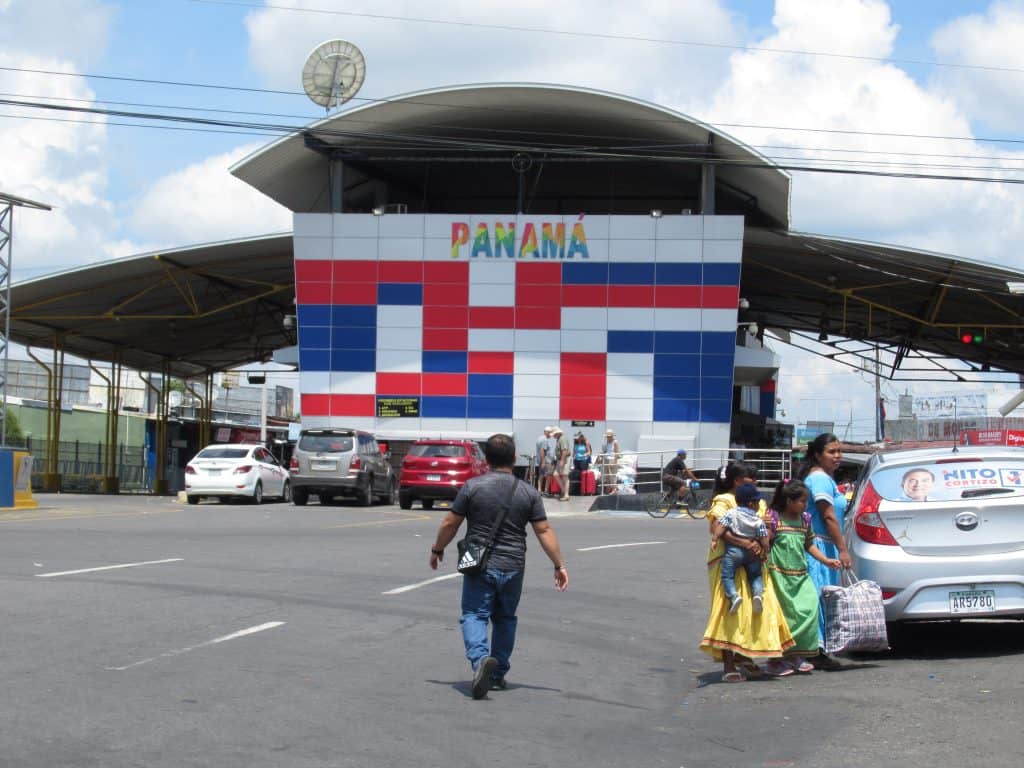
Panama and Costa Rica consolidated a strategic alliance April 11 to strengthen security along their shared border and jointly confront transnational organized crime. The high-level bilateral meeting took place in the border area of Paso Canoas in Panama’s Chiriquí province, according to Panama’s Ministry of Public Security. The ministers of public security from both countries led discussions focused on coordinated operations and intelligence sharing.
The pact aims to tighten control over the frontier and improve responses to threats such as narcotrafficking, human trafficking and smuggling. Officials from both nations described the border as calm and stable, with the new steps designed to keep it that way through better technology and joint patrols.
Panama’s Minister of Public Security Frank Alexis Ábrego said the effort strengthens digital border control and allows a more effective response against organized crime. He added that operational integration between the two countries raises their capacity to anticipate and react to threats.
Costa Rica’s Minister of Public Security Mario Zamora Cordero called the meeting effective and fruitful. He stressed the value of sustained police cooperation to confront criminal structures operating in the region with greater force.
As part of the agreement, the two countries inaugurated a new operations center for Panama’s National Border Service, or SENAFRONT, in the Progreso sector near Paso Canoas. The facility will use surveillance cameras, drones and real-time information exchange to monitor the border zone more closely.
Authorities also announced the delivery of eight patrol vehicles to boost ground operations along the frontier. The ministers agreed to expand joint patrols in strategic areas, including coordination between SENAFRONT and Costa Rica’s border police.
Paso Canoas serves as one of the main commercial crossings between the two nations, handling significant trade flows that pass through Panama’s canal and continue northward. The area has long hosted binational cooperation efforts, including a police cooperation center established years earlier to tackle cross-border crime.
The latest steps build on previous agreements, such as protocols signed in recent years for joint police actions and information sharing. Recent reports from Costa Rican officials referenced the initiative under the umbrella of Plan Firmeza, which evolved from earlier border security plans and emphasizes coordinated operations on land, air and sea against drug flows and irregular migration.
The meeting brought together senior commanders from both countries’ security forces. Discussions covered enhanced presence in the border region to protect local communities and ensure public safety. Officials noted that the alliance reflects a shared commitment to territorial protection. They pointed to ongoing results from earlier coordination that have helped maintain order along the 330-kilometer border.
The two ministers plan to hold a follow-up meeting in San José, Costa Rica, to advance additional agreements on security cooperation. Those talks will focus on deepening intelligence exchanges and operational planning. For residents and travelers in the border area, the measures promise continued stability at a key transit point used daily for commerce and movement between the countries. No immediate changes to crossing procedures were announced.
The development underscores growing regional efforts to address transnational crime through bilateral partnerships rather than isolated actions. Both governments signaled that the border will remain a zone of control and cooperation, not a corridor for criminal activity.





