

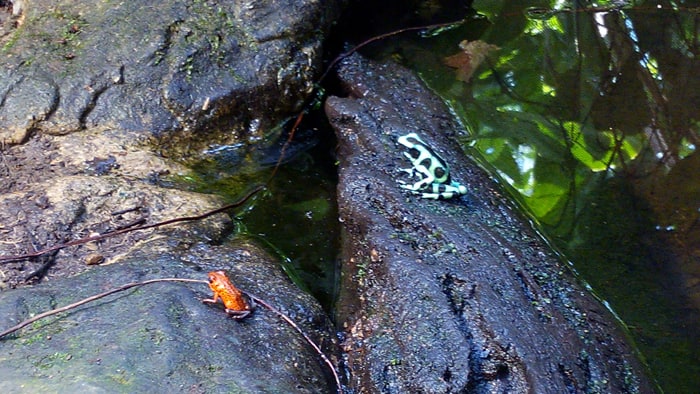
Five European governments point to a South American frog toxin in the 2024 death of Russian opposition leader Alexei Navalny. The claim spotlights epibatidine a chemical from poison dart frogs that does not occur naturally in Russia. Costa Rica has species that generate related toxins in their skin a fact that draws fresh attention to the country’s amphibian diversity and the risks these compounds pose.
The foreign ministries of the United Kingdom France Germany Sweden and the Netherlands released a joint statement on February 14 at the Munich Security Conference. Lab tests on tissue samples from Navalny’s body detected epibatidine a neurotoxin that disrupts the nervous system and causes paralysis or death in tiny doses. The statement notes the toxin comes from dart frogs in places like Ecuador and Colombia not Russia. It adds that only the Russian state had the means motive and opportunity to deploy it while Navalny served a 19-year sentence in an Arctic prison.
Navalny died on February 16 2024 in the remote IK-3 penal colony. Russian officials called it natural causes tied to health issues. They reject the European findings as political attacks. The opposition figure had survived a Novichok nerve agent poisoning in 2020 an incident multiple nations blamed on Moscow. Navalny’s widow Yulia Navalnaya welcomed the report. She said it backs what she suspected from the start.
French Foreign Minister Jean-Noël Barrot called the act proof that President Vladimir Putin will use biological agents against critics to hold power. UK officials labeled it a tool to crush dissent. The group plans to alert the Organisation for the Prohibition of Chemical Weapons over a possible breach of the Chemical Weapons Convention.
Epibatidine stands apart from synthetic nerve agents. Indigenous groups in South America long coated arrows with frog secretions for hunting. The compound binds to receptors in the body leading to muscle failure and breathing stoppage. Scientists first isolated it in the 1990s from Ecuador’s Epipedobates anthonyi frog. Today labs study it for pain relief potential but its lethality makes it hard to handle.
This case pulls focus to natural toxins worldwide. Costa Rica’s humid forests shelter over 200 frog species including 15 kinds of poison dart frogs from the Dendrobatidae family. These small amphibians ooze alkaloids through their skin to ward off predators. The vivid colors red blue or green signal danger to anything that might eat them.
Take the strawberry poison dart frog Oophaga pumilio. It lives in leaf litter along the Caribbean coast from Tortuguero to Cahuita. Adults measure under an inch but pack skin chemicals like pumiliotoxin. Touch one and the oils can irritate skin or eyes. Eat it and worse follows though human deaths stay rare without direct bloodstream entry.
The green and black poison dart frog Dendrobates auratus roams Pacific and Caribbean wetlands. Its toxins come from diet ants mites and beetles loaded with alkaloids. In the wild these frogs build up defenses over time. Captive ones lose the potency without those meals a detail zoos here use to keep visitors safe.
Costa Rican experts track these frogs through the National System of Conservation Areas. Groups like the Monteverde Cloud Forest Preserve run breeding programs to fight chytrid fungus a disease that has wiped out populations. The toxins offer clues for medicine too. Researchers at the University of Costa Rica probe them for new drugs against pain or inflammation.
Still the Navalny report raises questions about misuse. European labs traced epibatidine in his samples despite Russia’s control of the body. Sources say allies smuggled tissue out before burial for testing in secure facilities. Moscow calls the whole thing a hoax meant to stir sanctions.
The fallout hits global talks on arms control. Past Novichok cases led to OPCW probes and penalties. This time the toxin blurs lines between chemical and biological weapons. The Biological Weapons Convention bars toxins from state use but enforcement lags.
In Costa Rica the story lands close to home. Our dart frogs share the same family as those in Ecuador. A 2023 study in the Journal of Natural Products linked similar alkaloids across Central America. That means what protects a frog here could inspire research or risk abuse elsewhere.
Conservationists worry habitat loss from logging and climate shifts weakens these species. Warmer nights disrupt breeding and drier soils cut insect prey. The La Selva Biological Station logs fewer sightings each year. Efforts focus on protected zones but poaching for the pet trade adds pressure.
Navalny’s death stirred protests in Russia and abroad. His allies now push for more probes into prison conditions. The European move could prompt UN Security Council debate though veto powers make action tough.
For Costa Ricans the link serves as a prompt. Our biodiversity draws tourists and funds science. It also holds tools that demand care. Frogs in the canopy remind everyone that nature’s defenses cut both ways one drop saves a life another ends it.





