
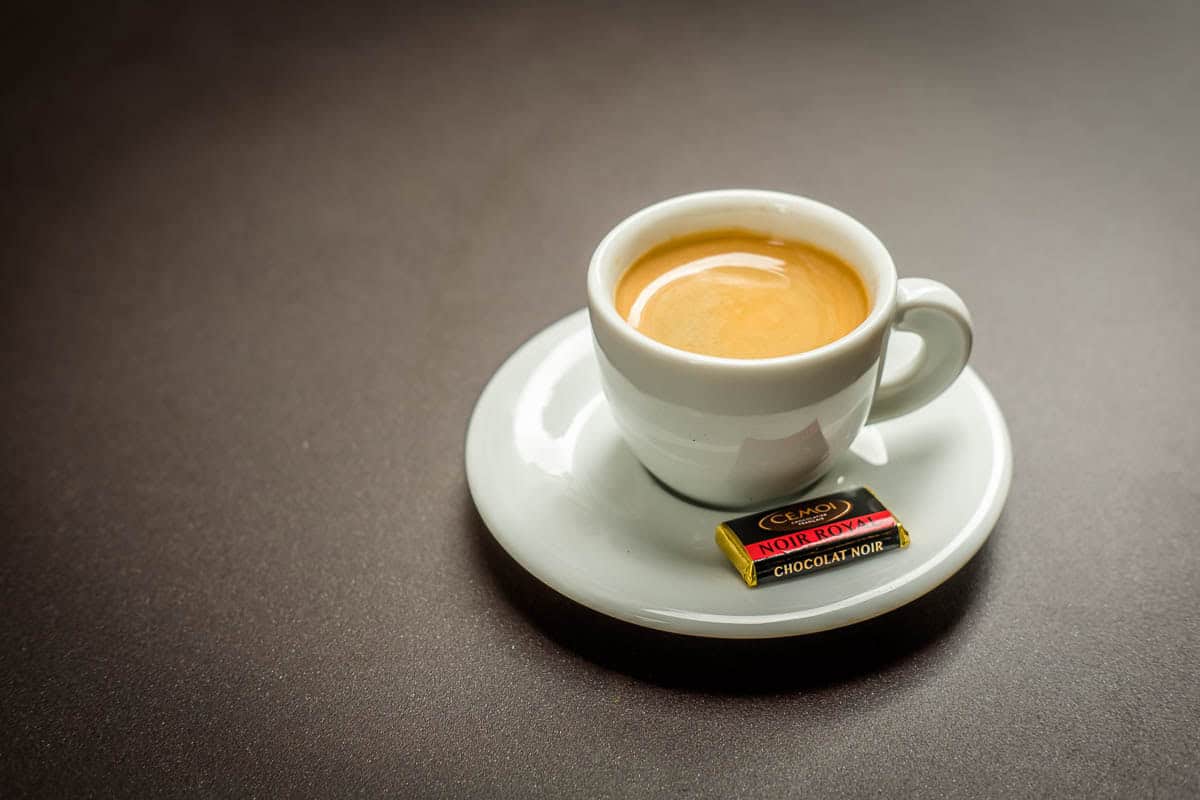
People across the world today mark National Espresso Day (yes, it has its own day), recognizing the quick, strong coffee pull that originated in Italy more than a century ago. Here in Costa Rica, where coffee forms the backbone of our economy and daily routines, the date is a good excuse to look at how our beans end up in that tiny, intense shot.
Espresso dates back to 1884, when Angelo Moriondo patented a machine in Turin that forced hot water through ground coffee under pressure. The process yields a small, concentrated serving in under a minute, serving as the base for drinks like cappuccinos and lattes, and for Australian friends, the flat white—now common on the menus of specialty cafés in San José.
Costa Rica began growing coffee in the late 1700s, leading Central America in cultivation. By the 1800s, exports funded railways, schools and other public works. Farmers in regions like Tarrazú and Naranjo raise Arabica beans at heights over 1,200 meters, producing flavors with sharp acidity and notes of fruit or chocolate that stand out in espresso.
Many of our beans head abroad for international blends, but at home, simpler methods still dominate. In San José and elsewhere, specialty cafés now serve single-origin espresso, letting each bean’s traits show through without any additions.
Yet this modern pull contrasts sharply with the traditional Costa Rican chorreador. For more than 200 years, the chorreador—a wooden stand holding a cloth filter shaped like a sock—has defined coffee preparation in homes across the country. Grounds go into the filter, and hot water pours slowly over them, dripping by gravity into a cup below.
The method takes a few minutes, resulting in a lighter, cleaner brew that highlights subtle flavors without the intensity of espresso’s high-pressure extraction. No machines are needed; just the stand, filter and fresh grounds make a cup that feels personal and tied to the land.
This date lines up well with everyday Costa Rican coffee customs. Afternoons often bring a break for black coffee with bread or pastries, building ties in homes and offices. Espresso offers a faster option for those who want strength, while the chorreador suits a slower pace that honors the harvest.
Costa Rica marks its National Coffee Day on September 12 and joins International Coffee Day on October 1. Gatherings like the Viva el Café festival in July at the Antigua Aduana in San José include tastings and family activities. While no major events connect directly to National Espresso Day this year, people can stop by local roasters in the Central Valley or pull a shot at home.
As global coffee demand increases, Costa Rica provides top-grade coffee to markets in Europe and North America, where espresso dominates. Here at home, the day is a reminder of coffee’s role as the “golden grain” that helped build our nation.