

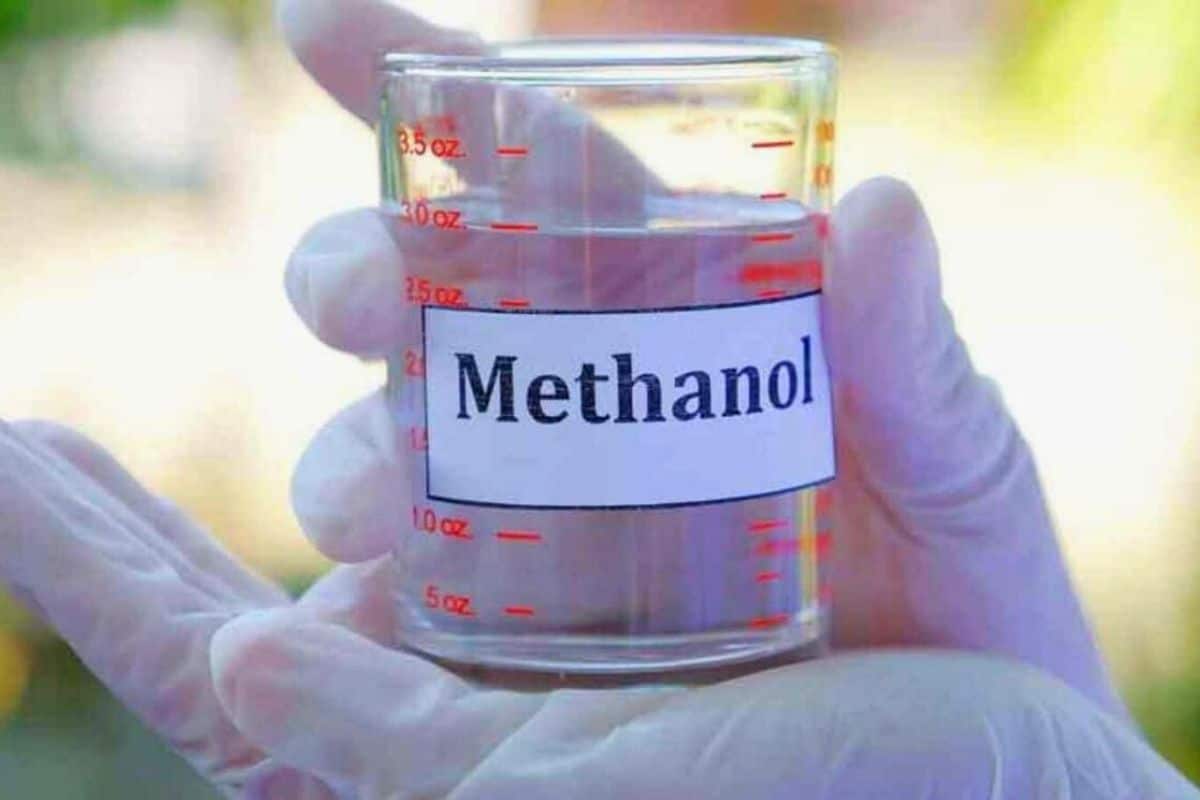
Costa Rica’s health officials have stepped up alerts on the dangers of methanol poisoning from contaminated alcohol, aligning with similar actions across Latin America amid recent cases in neighboring countries.
The Ministry of Health here has long monitored alcohol products for adulteration, a practice that persists in informal markets where methanol, a toxic industrial chemical, gets mixed into drinks to boost profits.
This year, regional health bodies like the Pan American Health Organization (PAHO) reported outbreaks in Colombia and Brazil, with dozens of deaths tied to tainted beverages. In Colombia, 89 cases emerged, while Brazil saw 225 suspected intoxications since August, including 15 fatalities under review.
Local authorities stress that no major outbreaks have hit Costa Rica in 2025, but past incidents remind residents and visitors of the threat. Back in 2021, 15 people died from methanol-laced liquor, prompting nationwide seizures of suspect brands. Today, officials continue random testing and raids on unlicensed sellers, focusing on rural areas and tourist spots where bootleg spirits circulate.
Methanol poisoning starts subtly, often mistaken for a hangover. Victims experience nausea, vomiting, and dizziness within hours of consumption. As the body breaks down the chemical, more severe effects set in: blurred vision, confusion, seizures, and in worst cases, coma or death. Medical experts note that even small amounts—equivalent to a shot—can prove fatal without prompt treatment.
To curb risks, the government advises buying only sealed bottles from registered outlets. Avoid homemade or suspiciously cheap drinks, especially at street vendors or informal gatherings. Tourists, a key part of Costa Rica’s economy, receive targeted messages at airports and hotels. “We test products rigorously,” a health ministry spokesperson said, “but public vigilance remains key.”
This push echoes broader international concerns. The United Kingdom’s Foreign Office recently expanded its travel advisories, listing Costa Rica among nations where tainted alcohol has affected travelers in the past. They added eight more countries this month—Ecuador, Japan, Kenya, Mexico, Nigeria, Peru, Russia, and Uganda—after incidents involving British citizens. Symptoms like vision loss struck victims in Laos last year, underscoring how quickly the poison acts.
In Latin America, PAHO’s October alert called for stronger lab testing and emergency protocols. Countries must stock antidotes like fomepizol and train doctors to spot early signs, the organization said. Brazil responded by pulling contaminated batches and boosting surveillance.
Costa Rican leaders view these steps as preventive. With tourism rebounding, they aim to protect both locals and visitors. Bars and distilleries face stricter checks, and education campaigns highlight safe consumption. Residents in areas like Guanacaste and Limón, where informal sales thrive, hear radio spots warning against unverified guaro or other spirits.
Health data shows methanol risks tie to unregulated production. In rural settings, small producers sometimes cut corners, adding the chemical unknowingly or deliberately. Enforcement teams have confiscated thousands of liters this year alone, though exact figures remain under wraps during investigations.
For those exposed, immediate care matters. Hospitals here offer dialysis and supportive treatments, but prevention beats cure. Officials urge anyone with symptoms after drinking to seek help fast—delays can lead to permanent harm.





