

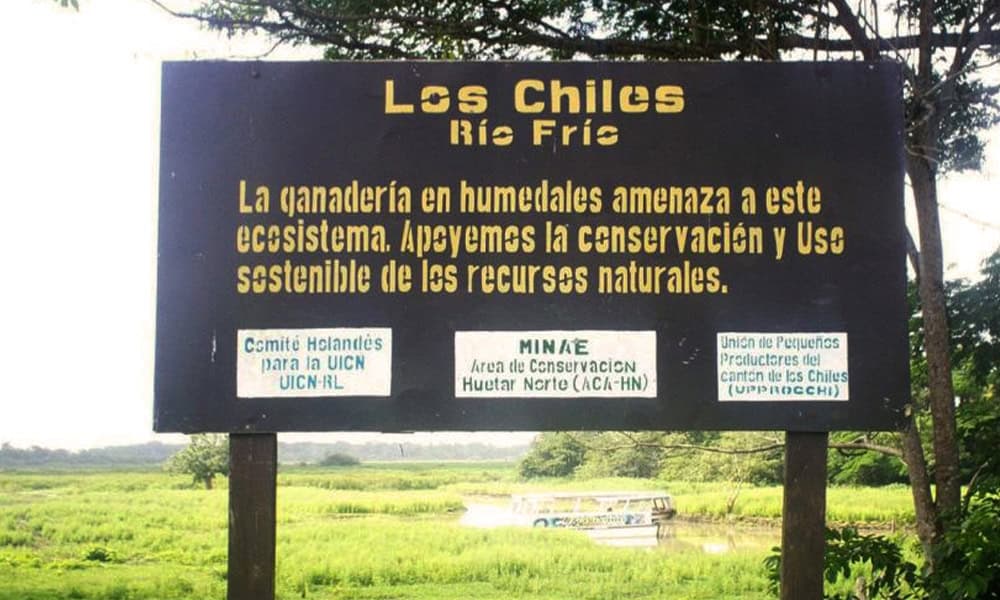
Costa Rica’s Northern Huetar Region, a sprawling area of 9,790 square kilometers, is home to over 437,000 people across districts like San Carlos, Upala, Los Chiles, Guatuso, Sarapiquí, and parts of San Ramón and Grecia. Famous for its vast landscapes and well-visited vacation spots like La Fortuna, Arenal Lagoon, and Caño Negro wetlands, the region should be a beacon of prosperity. Yet, poverty and inequality cast long shadows over its potential, leaving many residents trapped in economic hardship.
The region is often described as embodying Costa Rica’s “new rurality,” where traditional farming lifestyles are giving way to Agroindustrial jobs and diverse income sources, a shift called pluriactivity. Pineapple, sugar cane, papaya, and coffee fields dot the landscape, and tourism is growing, but the wealth these generate doesn’t reach everyone.
A 2021 Central Bank report pegged the region’s contribution to national GDP at a mere 4.66%, the second lowest in the country. Meanwhile, the 2023 Social Development Index (IDS) paints a grim picture: 84% of the region’s districts rank in the low or very low development categories. Only pockets like La Fortuna and Ciudad Quesada, buoyed by tourism, buck the trend.
Unemployment hovers at 7%, and nearly 30% of families live below the poverty line—7% higher than the national average. These numbers reflect deeper issues: inadequate education, crumbling infrastructure, and stark social inequities. Areas like Medio Queso are particularly hard-hit, grappling with migration, inequality, and criminal networks.
“The region could be a powerhouse for production and tourism, but it’s held back by gaps that keep people marginalized,” said Dylanna Rodríguez Muñoz, who leads the Socio-environmental Kiosks for Community Organization program. She points to places like Medio Queso as “no man’s lands” where institutions have largely failed.
Recent discussions, with experts from the University of Costa Rica highlighting the region’s natural wealth alongside its poverty, unemployment, and state neglect. A recent article we wrote noted rising poverty and declining education as threats to Costa Rica’s broader competitiveness, with the Northern Huetar Region feeling these pressures acutely. The World Bank’s updated 2021 poverty lines, set at $3 per day for low-income countries, underscore the global context of these struggles, though Costa Rica’s upper-middle-income status masks regional disparities.
Experts and locals alike are calling for a new approach—one that’s territorial and inclusive. They want policies tailored to the region’s unique needs, not one-size-fits-all solutions. Coordinated efforts between government, universities, and communities could unlock sustainable development, ensuring the region’s riches benefit all its people. Without action, the Northern Huetar Region risks remaining a paradox: a land of plenty where too many have too little.





