

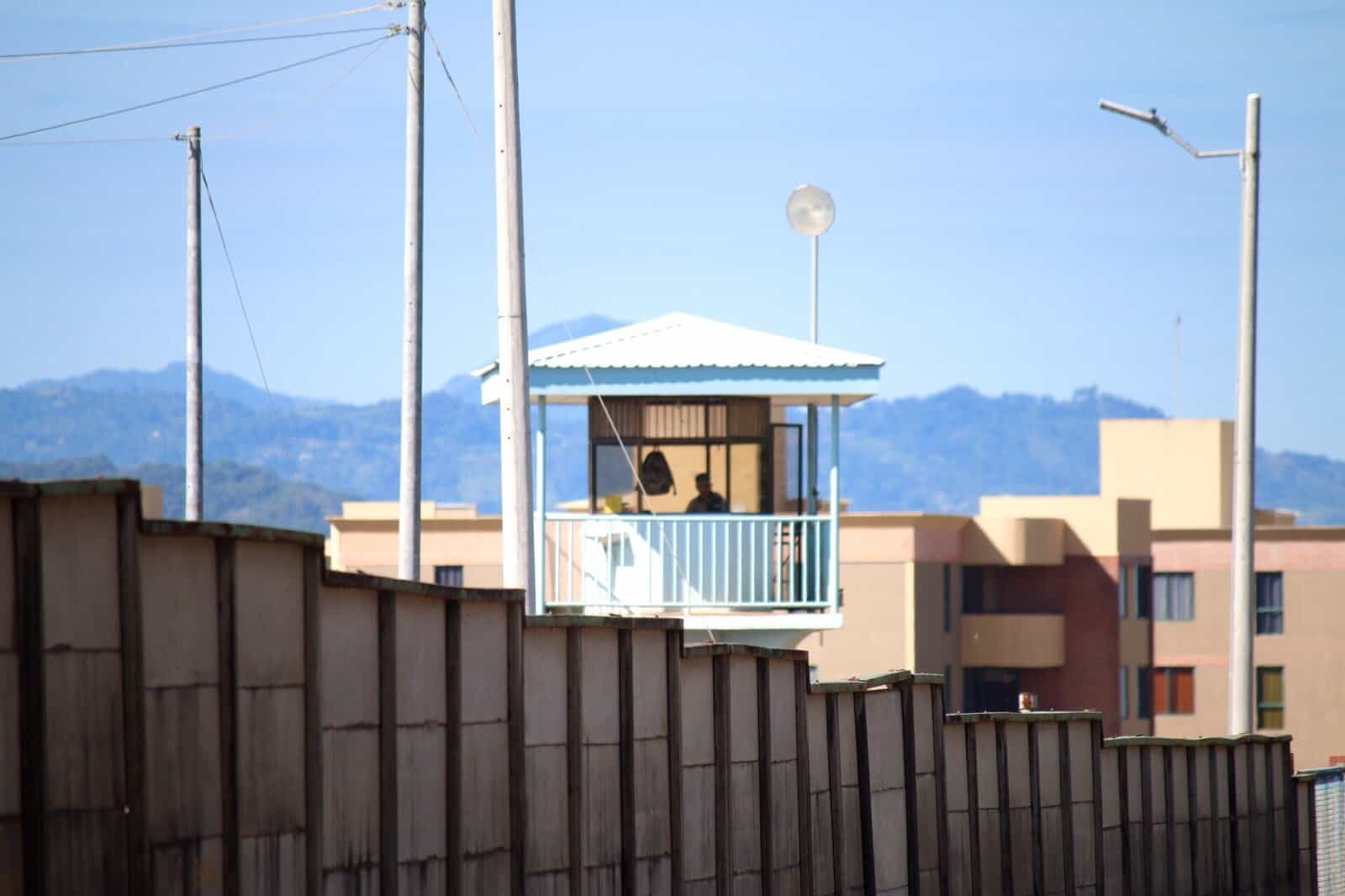
The Costa Rican Ministry of Justice and Peace has unveiled sweeping reforms to the nation’s penitentiary system, drawing inspiration from El Salvador’s hardline security model under President Nayib Bukele. The changes, announced following Bukele’s visit to Costa Rica last November and a tour by Justice Minister Gerald Campos of El Salvador’s Terrorism Confinement Center (CECOT), aim to curb contraband, enhance security, and address rising crime rates.
Under the new regulations, inmates will reportedly be allowed intimate visits only once every two months, down from every 15 days, and must verify that visitors are their partners. During his engagements, Bukele reportedly criticized lax visitation policies, though specific comments about prostitution in Costa Rican prisons remain unconfirmed. Family visits will be reduced from weekly to monthly, and phone calls will be limited to 10 minutes per week, a sharp contrast to previous unrestricted access to public telephones, according to Ministry statements.
The delivery of basic goods, such as food and personal items, will now be permitted once a month instead of daily. The Ministry cited the previous policy’s role in enabling drug and cell phone smuggling as a key reason for the change. “There is a technical, professional, legal team. Anticipating criticism, we are prepared to respond. And if we are forced to roll back any measures, we will hold accountable those complicit in criminal activity,” said Justice Minister Gerald Campos.
To bolster security, the Ministry has expanded maximum-security spaces from 80 to 1,000 through the reallocation of existing facilities. “We are now classifying inmates based on technical, criminological, and security criteria. This allows us to house high-risk individuals in specialized units with enhanced containment and control, strengthening overall prison security,” the Ministry’s Chief of Staff stated. These measures aim to free up Penitentiary Police for intensive surveillance, reducing distractions from managing visits and deliveries.
The reforms come amid Costa Rica’s struggle with a record homicide rate of 17.2 per 100,000 in 2024, driven by drug trafficking and organized crime, and prison overcrowding, which reached 13.1% over capacity in 2023 with 1,800 excess inmates. Despite adopting elements of Bukele’s punitive approach, the Ministry emphasized that the changes will support rehabilitation for inmates participating in existing educational and vocational programs, a hallmark of Costa Rica’s restorative justice tradition.
A cornerstone of the overhaul is a $35 million project to build a new prison for 5,000 inmates, modeled after El Salvador’s CECOT. Announced this month, the facility is expected to be completed in 195 days, saving $25 million through collaboration with El Salvador, which provided architectural plans and technical expertise. “We need to build new prisons in line with the level of crime our countries are experiencing today,” Campos said.
The reforms have sparked debate, with human rights groups warning of potential violations, citing Bukele’s CECOT for torture and lack of due process. Costa Rica’s legal framework, including safeguards against torture and a focus on rehabilitation, may mitigate such concerns, but critics urge close oversight. The Ministry defends the changes as necessary to restore security while balancing reintegration efforts, signaling a bold shift for a nation once known as Central America’s safest.





