

HomeLatin AmericaBrazilCocaine from Brazil on the rise in Europe

Cocaine from Brazil on the rise in Europe

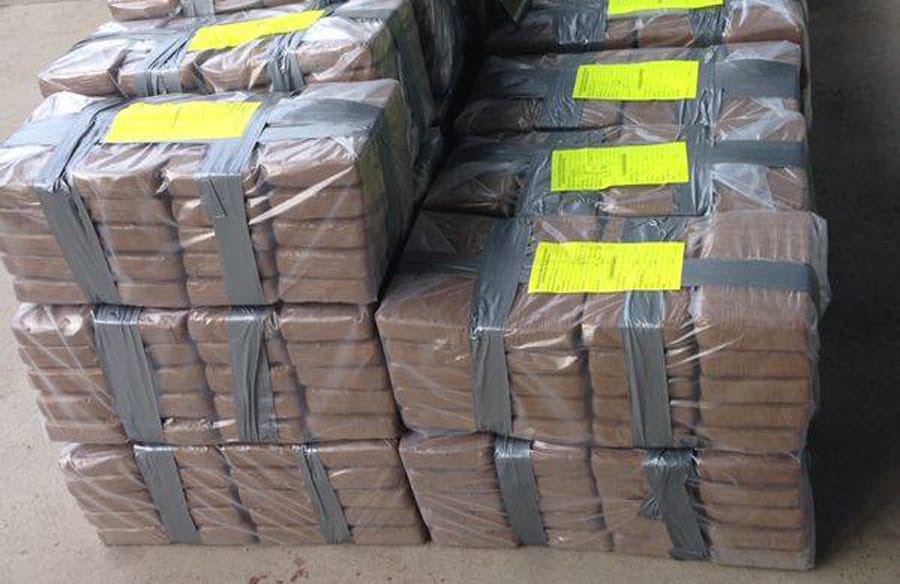
Brazil is increasingly the source of cocaine seized in the Belgian port of Antwerp, Europe’s main entry point for the drug, overtaking the world’s biggest producer Colombia, according to customs data published Thursday.

So far this year, up to September 25, authorities have confiscated 40.7 tonnes of cocaine in the port, with a quarter of it — 26% — coming from Brazil, Belgian customs service figures showed.

The proportion coming from Colombia fell to 13%, from 50% last year.

The figures showed that Ecuador had also become a primary source of cocaine, with 20% coming from that South American country.

Costa Rica also figured in the data, accounting for 16% of the cocaine seized in Antwerp.

Florence Angelici, a customs spokeswoman, told AFP the figures in part indicated that law enforcement in South American countries were becoming “more proactive” in checking consignments for smuggled drugs and informing Belgian authorities.

But generally, the shift showed that cocaine trafficking had become more internationalised, with countries neighbouring Colombia increasingly being used as platforms to get the drug to Europe.

“The cultivation and production in Colombia increased significantly the past five years. All neighbouring countries seems to be impacted,” the statement said.

Brazil was especially problematic. The vast nation is home to many criminal gangs and has many sea links to Europe.

“We in Europe do everything we can to enhance the cooperation and information exchange with Brazil,” the Belgian customs service said, adding that a memorandum on the issue was signed recently with Brazilian counterparts.


Trending Now

Prosecutors Investigate Rodrigo Chaves Over Turrúcares Landfill Offer

Costa Rica's Attorney General's Office has opened a criminal investigation into former president Rodrigo Chaves, now minister of the Presidency and of Finance, for...

Nicoya Towns Got 10 Minutes of Tap Water a Day as El Niño Dried Their Wells

Residents of Iguanita, a rural community in Nicoya, received piped water for about 10 minutes a day through most of October, after the springs...

El Niño Could Thin Out Costa Rica’s Winter Humpback Whale Season

Humpback whales from the North Pacific are about to begin arriving off Costa Rica's Pacific coast, but this season opens under one of the...

Costa Rica’s Two Most Active Volcanoes Are Quieter but Their Craters Stay Restricted

Poás and Rincón de la Vieja produced nearly all of Costa Rica's eruptions in 2026. Both are quieter now, but visitor limits and a closed crater trail remain.

Don’t Drink This Bottled Water, Costa Rica’s Health Ministry Warns

Costa Rica's Ministry of Health is warning the public not to buy or drink NIMBU purified water from lot 27/08/26. Laboratory tests found coliform...

Costa Rica’s $9.8 Billion Banco Popular Has Had No Board Since July

Banco Popular, Costa Rica's fourth-largest financial institution by assets, has operated without a seated board of directors since July 31, and the banking regulator...

Costa Rica’s Vice President Takes Over Trade With a 12.5% US Tariff Still in Place

Costa Rica's first vice president, Francisco Gamboa Soto, takes charge of the Ministry of Foreign Trade (Comex) today, while keeping his post as vice...

Costa Rica Will Co-Host the 2031 Women’s World Cup After FIFA Approval

Costa Rica will co-host the 2031 FIFA Women's World Cup after FIFA's member associations approved on Monday the joint bid it shares with the...

Injured Puma Rescued on Route 32, Where Only 2 of 20 Promised Wildlife Bridges Had Been Built

An injured puma was rescued on Route 32 in Guápiles, a highway where most promised wildlife bridges remain unbuilt.
Loading…

Latest News from Costa Rica

Costa Rica Coffee Maker Chorreador
Costa Rica Car Rentals
Costa Rica Travel Insurance
Costa Rica Travel


