

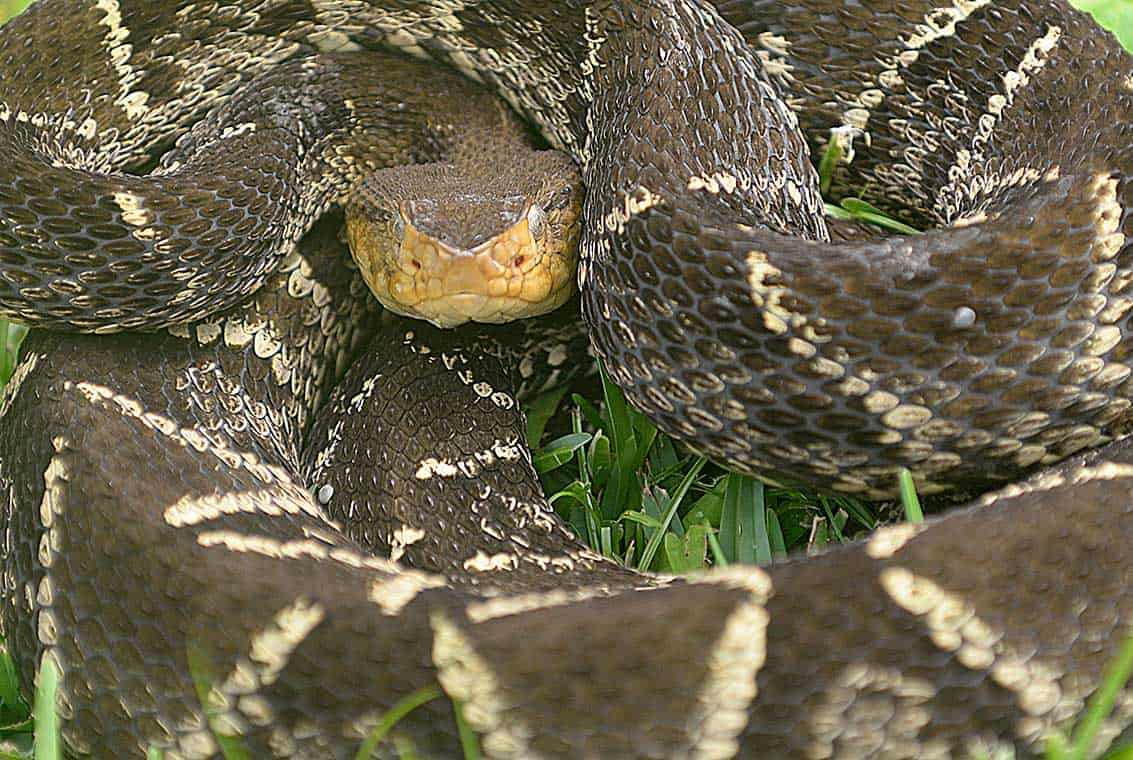
Costa Rican farmers may need to worry about more than just their crops when the weather fluctuates. According to a study released this month, extreme weather also brings an increase in snakebites.
Scientists have long been concerned with the effects warming temperatures may have on the tropical diseases common in rural and impoverished areas. In this study, researchers wanted to test the effects of climate change on a less studied public health hazard: snake envenomation.
An average of 576 people per year are treated for a bite by one of Costa Rica’s 22 venomous snakes. The country’s large snake populations and meticulous record keeping when it comes to snakebites made it a perfect spot for the study.
To predict how snakes would behave in different temperatures researchers from the University of Costa Rica and Nagasaki University in Japan pored over Costa Rica’s snakebite data from 2005 to 2013 and compared it to climate data from the same period.
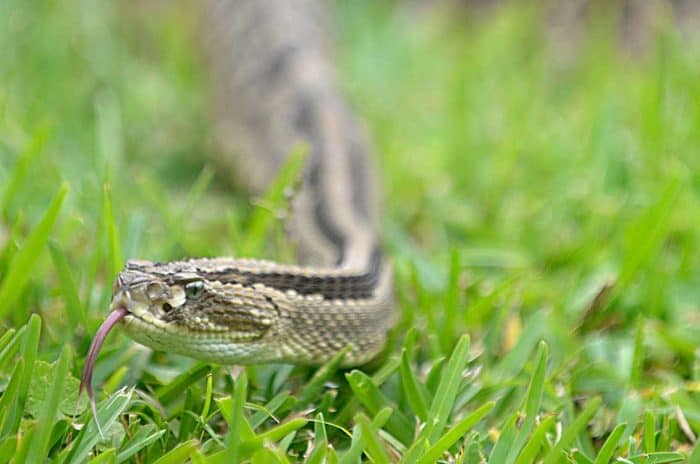
Researchers found that in years when Costa Rica experienced the unusually warm or cold conditions caused by the El Niño or La Niña weather phenomenons, snakebites were two to three times more common.
El Niño, caused by the interaction of unusually warm ocean currents with the atmosphere of the tropical Pacific, is marked by unusually warm temperatures and sometimes extreme weather. El Niño cycles occur approximately every three to five years and cause temperature variations of up to three degrees. La Niña, which is less common, is a similar phenomenon but is marked by usually cool temperatures.
Related: Why do snakebites harm humans? Costa Rican scientists investigate
The study pins the increase in snakebites during El Niño years on a increased plant productivity, which in turn leads to a boom in rodent populations, snakes’ primary food source. Furthermore, snakes tend to be more active in hot and dry weather, leading them to travel longer distances and possibly encounter more humans.
In La Niña years, rodent populations decline and snakes are forced to travel farther in search of food, again becoming more likely to cross paths with a human.
According to the study, the results suggest that extreme weather caused by climate change may increase the frequency of snake bites.
Costa Rica, and much of the Western Hemisphere, is currently in the throes of one of the most intense El Niño cycles ever recorded. Meteorologists have pointed to El Niño as the cause for extreme droughts in Guanacaste and floods in the Caribbean earlier this year. Although data for 2015 is not yet available, this study suggests that this year’s extreme weather could lead to a spike in snakebites.





