

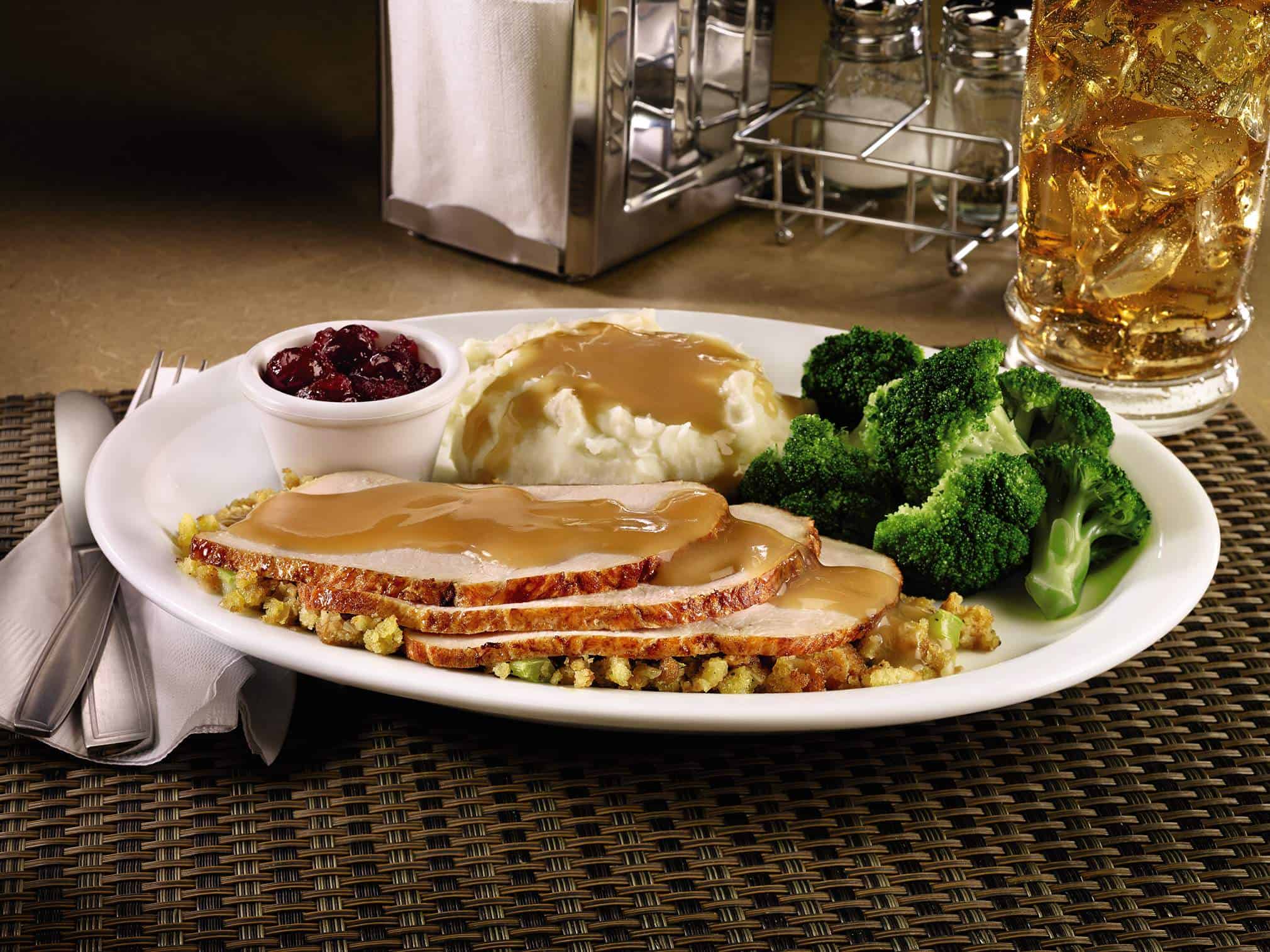
Wondering where I was going to get the pan drippings for the gravy and mashed potatoes I agreed to make for an expat Thanksgiving this year, I started thinking about last year’s turkey. It was my first Thanksgiving in Costa Rica and away from family. As we sat down to the meal in Escazú, hosted by a Costa Rican family and complete with sweet potatoes and even canned cranberry sauce served in slices, I was struck by the endearing role reversal.
Mercedes, the live-in maid of my partner’s father, served the half bird simply, lightly seasoned and roasted without much fanfare. How did this woman who knew so little about Thanksgiving get its culinary centerpiece so right? Nostalgia and a twinge of homesickness might have added their own special spice to the bird, but that does little to explain how the meat, so often dry and oft overcooked, came out so moist and flavorful with crisp mahogany skin.
While we might not have had dressing and my grandmother’s pecan pie, the foods we celebrate over on Thanksgiving are part of the same culinary exchange that happened in Central America when Spanish conquistadors, indigenous Americans, and African slaves came together here in the isthmus and built a collective food culture over hundreds of years.
Plus, turkey in Costa Rica is hardly the alien encounter it was for the Spanish conquistadors who first saw it served at Aztec banquets in Mexico hundreds of years ago. Native to the Americas, turkey has long been enjoyed in the New World and is a Christmas table staple here.
Turkey has even been called “the greatest gift the Americas ever gave to the Old World,” according to food writer and poet Marjorie Ross, author of “Entre el comal y la olla: Fundamentos de gastronomía costariccense” (“Between the comal and the pot: Basics of Costa Rican Gastronomy”), which traces the history of Costa Rican cooking from its earliest incarnations.
Ross points out in her book that many of Costa Rica’s national dishes — gallo pinto, casados, olla de carne — all have their roots in the first encounter. Spanish conquistadors brought sugar, cattle, pigs, sheep, goats, rice, and wheat with them, along with their cooking styles, including ovens. The region’s indigenous inhabitants already enjoyed corn, beans, sweet and hot peppers, squash, tomatoes, potatoes, yucca, and cacao, among the wide array of fruits and other vegetables.
Any budget-conscious backpacker passing through Costa Rica has likely had a casado, a mix of rice, black beans, salad, beef (often served stewed in a sauce), sweet plantains, and sometimes a side of pasta. The carbo-loaded plate is a satisfying way to explore the marriage of ingredients that came out of the encounter between Europe and the Americas: beef and rice from Spain, and indigenous ingredients like beans and plantains from Central America.
But gallo pinto, a mix of white rice, black beans, onions, sweet peppers and garlic, best embodies the mix of influences in Costa Rican cooking.
Ross argues in her book that the dish brings together the three legs of the Tico table: Spanish, indigenous and African. The food writer says that while rice and beans came from European/Asian and American sources, it was African slaves brought to Central America who combined the two staples together into the iconic dish it is today.
Ross likens the combination to the Southern classic Hoppin’ John, a rice and black-eyed pea dish cooked with spices, onions, and pork (smoked ham hocks if my dad’s making it).
Colorful ears of corn are common decorations come November in the United States, but maize doesn’t reverberate there the same way it does with holidays here in Central America. Corn-flour tortillas have never gone out of style here and corn tamales are just as much a part of the Christmas table here as turkey is for Thanksgiving.
With the addition of milk and other dairy products to the Central American diet after European migrants brought cows to Costa Rica in the 16th century, staples like corn got a makeover, often as sweets. Costa Rican classics like churreadas, fried sweet corn pancakes served with sour cream, bizcochos, a simple cornmeal cake, and budín de elote, a syrupy moist dessert sometimes prepared with whole corn kernels baked inside, were all made possible thanks to sour cream.
I like to think that the same kind of creativity that cooks in the isthmus channeled to make sense of new foods and create new flavors also manifested itself in Mercedes last year. Unburdened by Norman Rockwell notions of what a Thanksgiving Turkey is, serving a half turkey roasted flat without trying to stuff it or worry about last-minute gravy, she was able to approach the bird with a clean slate and just cook a damn good turkey.
Maybe I’ll try my hand at it next year.
But who am I kidding, I’ve got potatoes to mash.





