

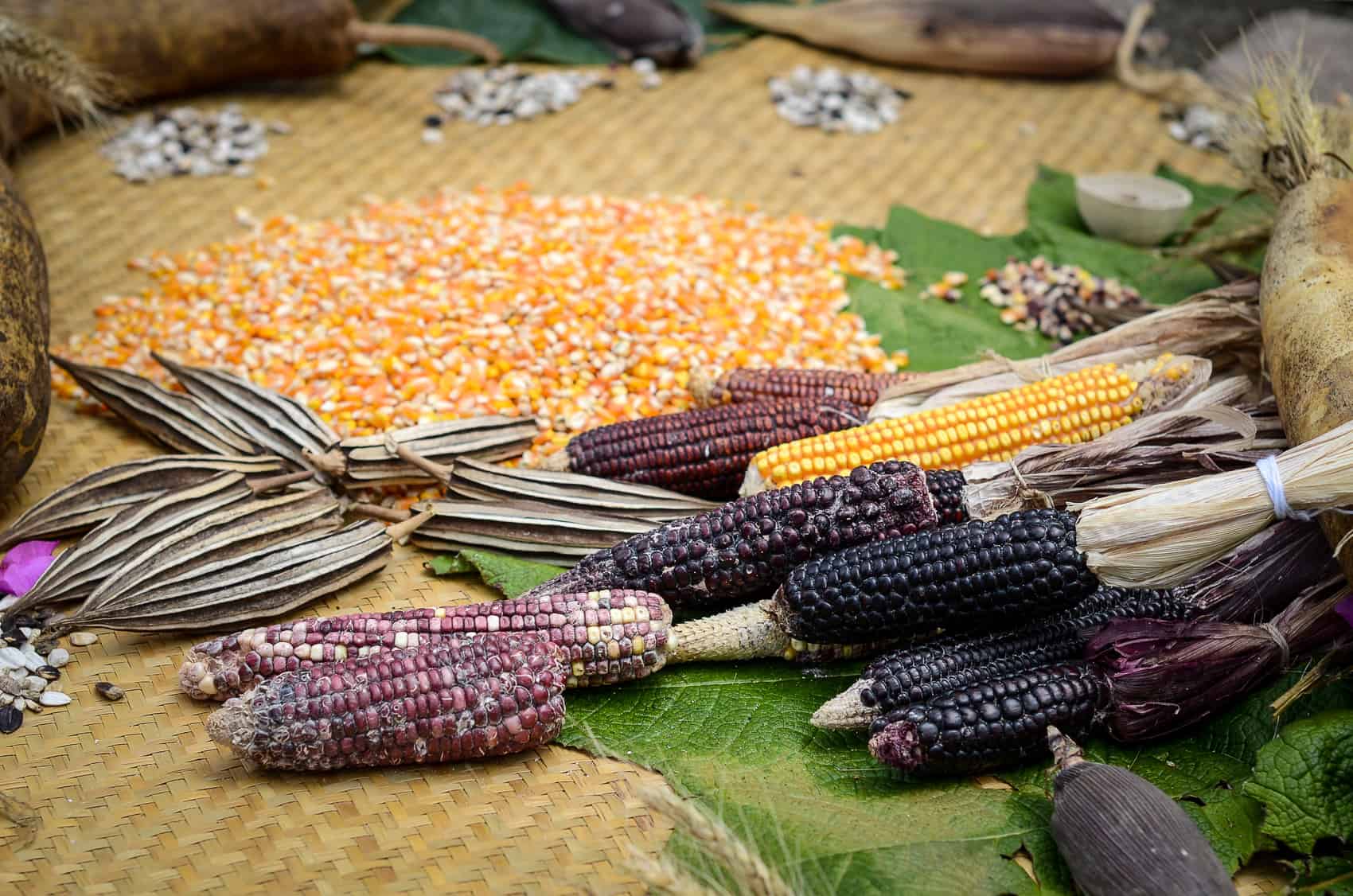
Costa Rica is a gardener’s paradise. With a climate that practically guarantees 365 days of gardening, locals enjoy a bounty of salad greens, tropical fruits, root crops, and corn – locally known as maíz. This year-round abundance means not a day goes by without fresh produce from the garden.
A Gardener’s Paradise
In many parts of Costa Rica, the climate is so kind that nearly every day is perfect for gardening. Most gardeners can plant and harvest corn twice a year, and those with adequate irrigation might even manage three crops. The current corn harvest, known locally as la postrera or the dessert harvest, is a key moment when seeds are saved for replanting in September.
Traditional Corn and Local Practices
Many Costa Ricans maintain a small garden space—often a 5-by-5-meter patch—dedicated to growing corn, known as a milpa. Although some seed stores offer hybrid sweet corn tailored for tropical conditions, the local variety, though less sweet than northern types, offers its own advantages:
- Versatility: It can be dried to make tortillas and corn bread or used to feed chickens.
- Hardiness: The local corn is naturally resistant to insects and plant diseases.
The Modern Debate: Genetically Modified Crops
According to the latest USDA data, approximately 92% of the corn grown in the United States is genetically modified—a notable increase from the over 85% reported in 2009. This shift reflects the industry’s growing reliance on GM varieties engineered for improved resistance to pests and diseases, although debates continue regarding potential long-term impacts on health and the environment.
Many European countries have temporarily banned these crops until further research can confirm their safety. In Costa Rica, although the government restricts genetically modified crops to research only, these regulations are seldom enforced, prompting some to advocate for a return to organic, heirloom varieties.
Traditional Planting Techniques
For those interested in growing their own corn, the process remains simple and rooted in centuries-old indigenous practices. Begin by clearing the planting area of weeds and grasses—no expensive rototiller is needed, just a machete, hoe, and shovel. Then, follow these basic steps:
- Prepare the Soil: Dig small holes about 15 centimeters deep and of similar diameter. Arrange them roughly 1 meter apart in a square block to ensure optimal pollination.
- Planting: Fill each hole with aged compost fertilizer, and place three corn seeds in each.
- Germination and Growth: Within five to seven days, the seeds will sprout. About a month later, interplant beans and squash to create a diverse, sustainable crop mix known as the “three sisters.”
- Maintenance: Hoe around the corn to remove weeds and provide support, and in the second month, water your crops with compost tea. By the third month, you’ll be enjoying the harvest of young corn, beans, and squash.
A Lifestyle Choice
Growing your own corn not only reinforces cultural traditions but also supports a healthier, more sustainable lifestyle. It’s a reminder of the enduring practices that have sustained communities for generations, even in the face of modern challenges. The food from your garden isn’t just fresh—it tastes uniquely rewarding.
Embracing traditional gardening practices in Costa Rica means honoring both nature and heritage. Whether you’re an experienced gardener or just starting out, these time-tested techniques can help you enjoy a rewarding, self-sufficient lifestyle in a country where every day offers the promise of a new harvest.





