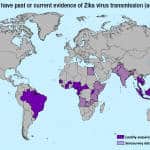
The Pan American Health Organization (PAHO) issued an epidemiological alert on the potential spread on the continent of the mosquito-borne viral disease Zika, which is similar to dengue and Chikungunya, but with milder symptoms.
Costa Rica’s Health Ministry reported that the alert was prompted by the confirmation last month of the first cases of Zika in Brazil and on Chile’s Easter Island.
“The island’s proximity to the Polynesian Triangle prompted alerts for the Americas,” Roberto Castro, from the ministry’s Health Surveillance Department, said.
A Zika infection may go unnoticed or be misdiagnosed because like dengue and Chikungunya it causes fever, rashes, swelling of joints, headaches and red eye. Symptoms appear within three to 12 days after the bite of an infected mosquito. Symptoms are usually mild and last from two to seven days.
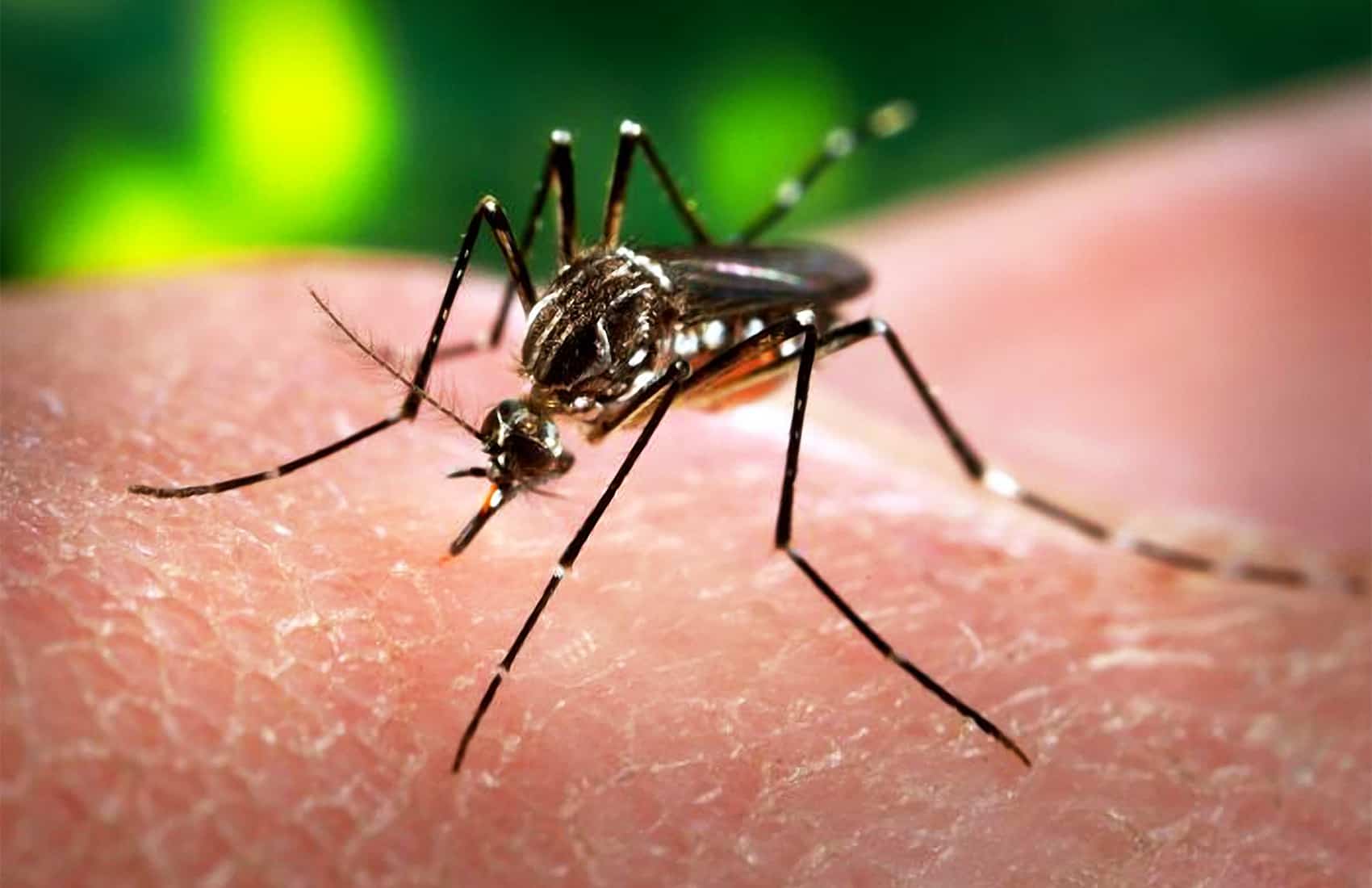
The virus, also known as ZIKV, was first found in the Aedes africanus mosquito and later in the Aedes Aegypti and Aedes polynesiensis mosquitoes. There are also documented cases of transmission by other Aedes species including Albopictus, currently found in Costa Rica and which also carry Chikungunya.
There is no vaccine yet to prevent Zika or medicine to treat it. Commercial kits for the serological diagnosis of Zika do not exist, according to the World Health Organization.
However, Castro said protocols exist to detect the virus by following an algorithm during blood-sample analyses in which experts compare and discard characteristics only present in dengue and Chikungunya infections.
Castro recommended preventive measures, such as discarding objects that collect stagnant water to reduce the spread of mosquitoes.
The Health Ministry this week reported that the number of dengue cases in Costa Rica decreased by 50 percent in the first five months of this year, but those figures could increase as rainy season began last month.
Origins
Zika was first identified in 1947 when a rhesus monkey living in the Zika forest in Uganda developed an unknown febrile illness. One year later the virus was found in the Aedes Africanus mosquito and then in Aedes Aegypti, both captured in the Zika forest.
The first outbreak outside of Africa occurred in 2007 when cases were confirmed in Yap Island in the southwestern Pacific Ocean.
In 2009, it was discovered that Zika virus can be sexually transmitted between humans. Professor Brian Foy, a university biologist from Colorado State University, visited Senegal to study mosquitoes and was bitten on a number of occasions during his research. A few days after returning to the United States, he fell ill with Zika, and his wife subsequently showed symptoms, along with extreme sensitivity to light.
Foy and research assistant Kevin Kobylinsky released a study in the May 2011 journal of Emerging Infectious Diseases that detailed those events and provided evidence that Foy’s might have been the first case of the sexual transmission of an insect-borne disease.
The findings were validated by the U.S. National Institutes of Health, which considers Foy the first person known to have passed on an insect-borne virus to another human by sexual contact.