

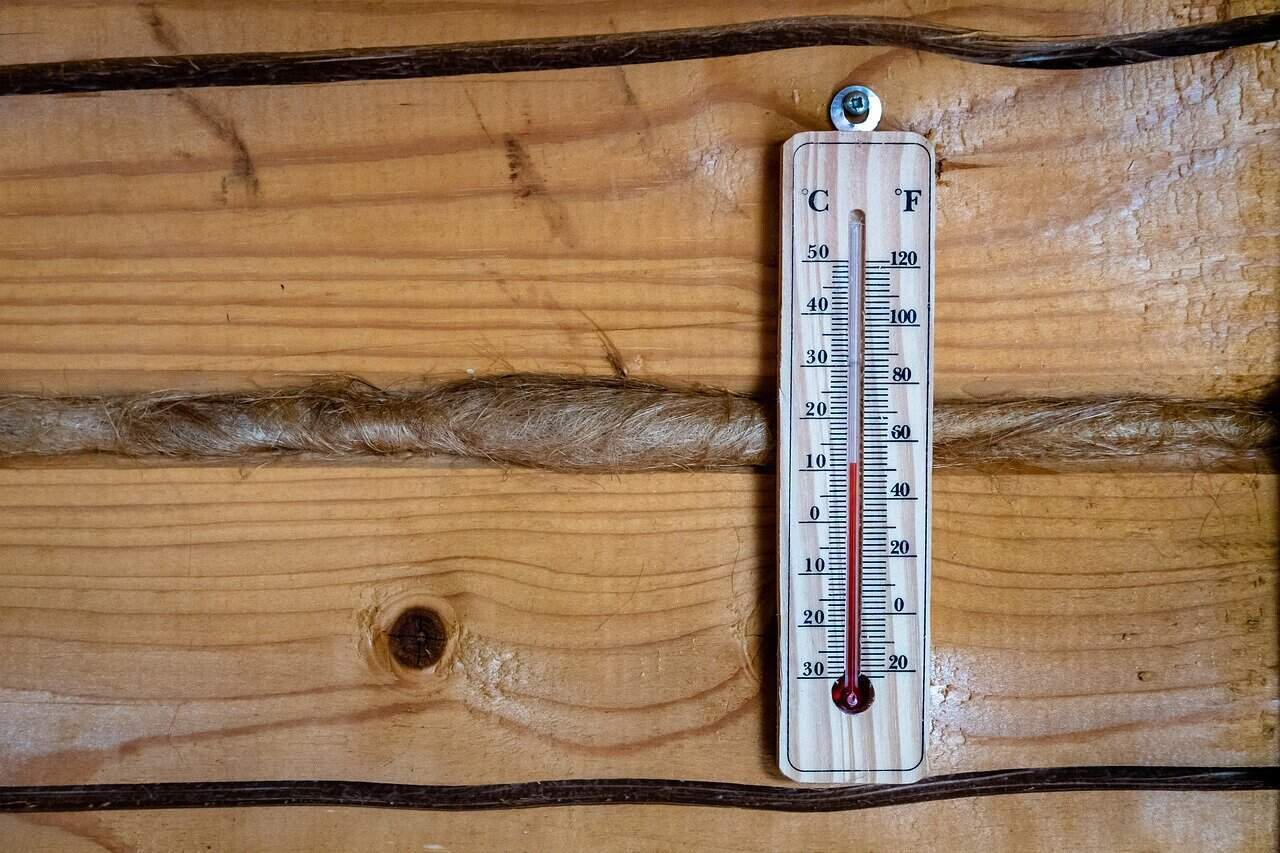
Two cold fronts will mark the beginning of February in Costa Rica, maintaining windy conditions, rainfall, and low temperatures. At the same time, the National Meteorological Institute (IMN) forecasts a month with above-average rainfall in some regions of the country.
Costa Rica is currently under the influence of cold front No. 13, which arrived on Saturday. “The cold front will continue to influence weather conditions, with a gradual decrease beginning on Wednesday,” the IMN reported. Winds will remain strong, ranging between 70 and 100 km/h in northern Guanacaste during these days.
According to experts, this is because the cold front system has reached southern Central America, and cold conditions will persist in the country, intensifying through Wednesday and Thursday. “Cold front No. 14 will begin to modulate weather conditions starting Thursday afternoon and will extend into the weekend,” the IMN stated.
Due to this surge, strong winds are expected in the Central Valley, Guanacaste, and the Talamanca mountain range. “North winds will continue at speeds between 70 and 90 km/h. During this event, cool temperatures are expected across the country; however, they will not drop as much as during the previous event,” the Meteorological Institute forecast.
In general, this week is expected to bring clear to partly cloudy mornings in the Pacific and Central Valley, accompanied by windy conditions. The Caribbean and Northern Zone will be partly cloudy, with possible rainfall on Thursday and Friday. In the afternoons, conditions will remain clear to partly cloudy in the Pacific and Central Valley, with windy conditions in Guanacaste and the Greater Metropolitan Area (GAM).
The Caribbean and Northern Zone will continue to see partly cloudy skies, with possible rain on Thursday and Friday. At night, clear to partly cloudy skies are expected in the Pacific and Central Valley, along with very windy conditions. The Caribbean and Northern Zone will remain partly cloudy, with possible rain on Thursday and Friday.
The IMN forecast also details how rainfall will evolve as February progresses, with significant regional variations. “This week’s rainy conditions are the result of the proximity of frontal systems and the Intertropical Convergence Zone in the southern part of the country, which will generate moderate rainfall that is more intense than normal for the dry season in the Pacific throughout February,” the Institute explained.
Meanwhile, moderate rainfall is expected in the Caribbean and the northern mountainous regions during the first weeks of February.





