

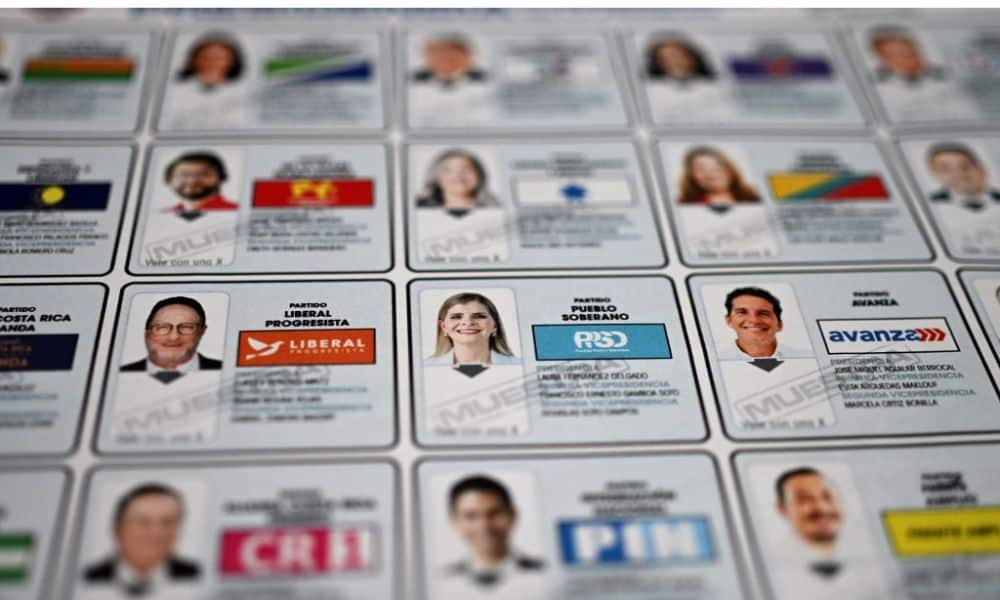
With national elections set for February 1, the Supreme Electoral Tribunal (TSE) has stepped up reminders that only the physical cédula de identidad qualifies as valid identification at polling stations. The recently introduced Identidad Digital Costarricense (IDC) will not work for voting, leaving many to double-check their wallets before heading out.
The TSE rolled out the IDC in September 2025 as a mobile alternative to the traditional ID card. For a fee of ₡2,600, users gain a four-year digital document that matches the physical version in legal weight for most tasks. Public offices, including police, must accept it, though some have up to six months to adapt their systems. Yet, when it comes to elections, the rules stay firm: the digital format sits out this round.
Officials point to the election regulations, finalized before the IDC launch, as the reason. These guidelines lock in the physical cédula as the sole option for verifying voter identity. Even expired cards pass muster if they lapsed no earlier than February 1, 2025 – a one-year grace period to ease access. But damaged or lost cards? Those require replacement ahead of time, with the TSE extending office hours in recent weeks to handle the rush.
This setup affects everyone from long-time residents to expats registered to vote. Driver’s licenses, passports, and other forms of ID also get turned away at the polls. The message is simple: arrive prepared or risk missing out. TSE leaders have noted that thousands of unclaimed cédulas still wait at registry offices, a potential hurdle for younger voters in particular. The electoral roll now tops 3.7 million, a 4.3% jump from 2022, with nearly half under age 40.
For those yet to secure their physical ID, options remain limited but urgent. Renewals happen at TSE offices or select locations, often free unless exceeding yearly limits. The process demands a valid existing card, no pending legal matters, and basic tech for any related steps. Once obtained, the card serves not just for voting but for banking, contracts, and daily dealings.
As polls open from 6 a.m. to 6 p.m., the TSE calls on voters to verify their polling site online using their ID number. The focus remains on smooth participation, avoiding last-minute snags that could sideline voices in choosing the next president and lawmakers.
This election marks another chapter in Costa Rica’s push toward digital services, but tradition holds the line at the ballot box. Voters who heed the advice stand to cast their say without delay.





