

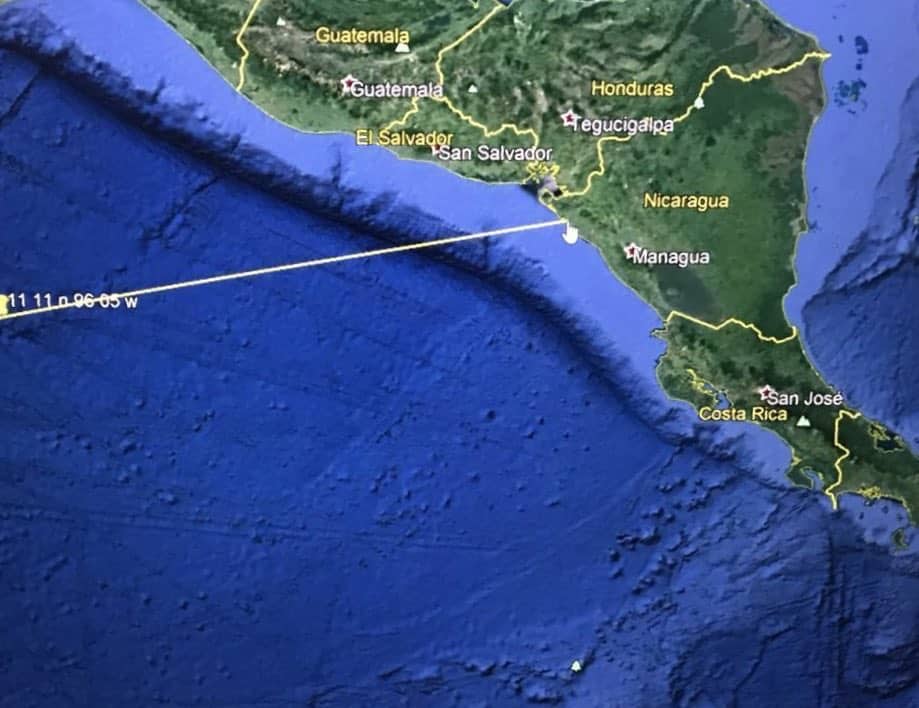
Tsunamis are an inevitable threat to coastal regions, and while technology has made significant strides in predicting and warning about these natural disasters, it alone is not enough to save lives. The Central American Seismological Center (CASC) emphasizes that personal awareness and preparedness are vital components in mitigating the deadly effects of tsunamis.
Coastal residents and visitors must be equipped with the knowledge to recognize the early warning signs of a potential tsunami. Understanding these signs and knowing how to respond quickly can mean the difference between life and death. History has shown that lives can be saved by those who act promptly upon noticing the precursors to a tsunami, such as unusual ground movements or the sudden receding of the sea.
Most tsunamis are triggered by underwater earthquakes. Therefore, experiencing a strong earthquake while near the coast should immediately alert individuals to the possibility of an incoming tsunami. CASC outlines essential steps to take when such a situation arises, focusing on maximizing safety and minimizing the risk of injury or death.
Key Safety Tips from CASC:
- Protect Yourself During the Earthquake: During an earthquake, the first priority is to protect yourself from falling debris or structural collapses. Find cover and stay protected until the shaking stops.
- Seek Higher Ground: If a tsunami warning is issued or you suspect one is imminent, immediately move to higher ground. Aim to get at least 30 meters (approximately 100 feet) above sea level. If you cannot find higher ground, seek refuge in a sturdy building on a higher floor, or if necessary, move inland to a dense forest that might offer some protection.
- Observe the Waterline: One of the most critical warning signs of a tsunami is the rapid recession of the sea. If you notice the water pulling back unusually far, this is a signal that a tsunami is on its way. Move as quickly as possible to higher ground.
- Avoid Rivers and Estuaries: Tsunamis can travel up rivers and estuaries, extending their reach far inland. When seeking safety, avoid these areas to prevent being caught by the incoming wave.
- Wait for the All-Clear: After the initial wave, do not return to the coast or affected areas until authorities have declared it safe. Tsunamis often come in multiple waves, and the danger may not pass with the first wave.
By staying informed and prepared, coastal communities can significantly reduce the risks posed by tsunamis. While we cannot prevent these natural disasters, understanding the warning signs and responding swiftly can save lives and reduce the impact on affected regions.





