

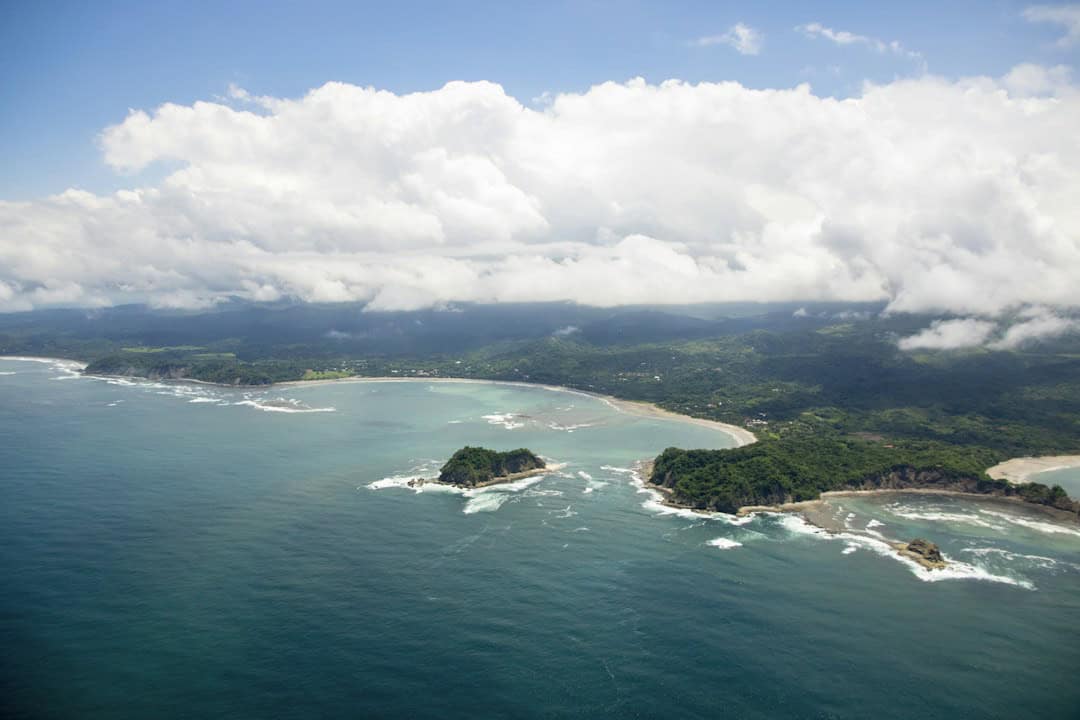
If you live near the shore or have a beach trip planned on the Pacific coast this week, expect the sea to reach farther than usual through Saturday. The highest tides of the season peaked early Wednesday and will stay elevated in the mornings and afternoons until Oct. 31. The peak came between 2 and 4 a.m. Wednesday, according to MIO-Cimar, the oceanographic information center at the University of Costa Rica. Golfito was forecast to reach 3.48 meters (11.4 feet), the highest level here.
Bahía Culebra, Puntarenas, Bahía Herradura and Uvita were forecast at 3.08 meters (10.1 feet). The Gulf of Santa Elena was expected to reach 3.05 meters (10 feet) and Quepos 2.87 meters (9.4 feet). Those numbers describe how high the water rises at high tide, not how big the waves get. MIO-Cimar expects average wave and wind conditions, and says the tides alone do not pose a general danger to swimmers or boaters.
The real concern is flooding as coastal neighborhoods where the sea already pushes into streets, yards or estuary edges at high tide are the most exposed this week. These are spring tides, tied to the Oct. 25 full moon, when the sun and moon pull in line. Pacific water is also running warmer than normal because of El Niño, and warmer water raises the sea surface, which adds to the risk of flooding and erosion. MIO-Cimar noted that El Niño did not cause the high tides.
If you are heading to the coast before Sunday, check the high-tide times for your beach before you park, set up for the day or walk out on a rocky point. Don’t leave a car on low sand or near a river mouth overnight and keep your gear well above the wet line. If you live in an area that floods at high tide, move valuables off the floor and keep drains clear ahead of the early-morning peaks. MIO-Cimar updates its forecast every six hours at miocimar.ucr.ac.cr.
The Caribbean coast is expected to run about 46 centimeters (18 inches) above its average tide, with normal conditions overall. Pacific tides should return to normal starting Sunday, Nov. 1.





