

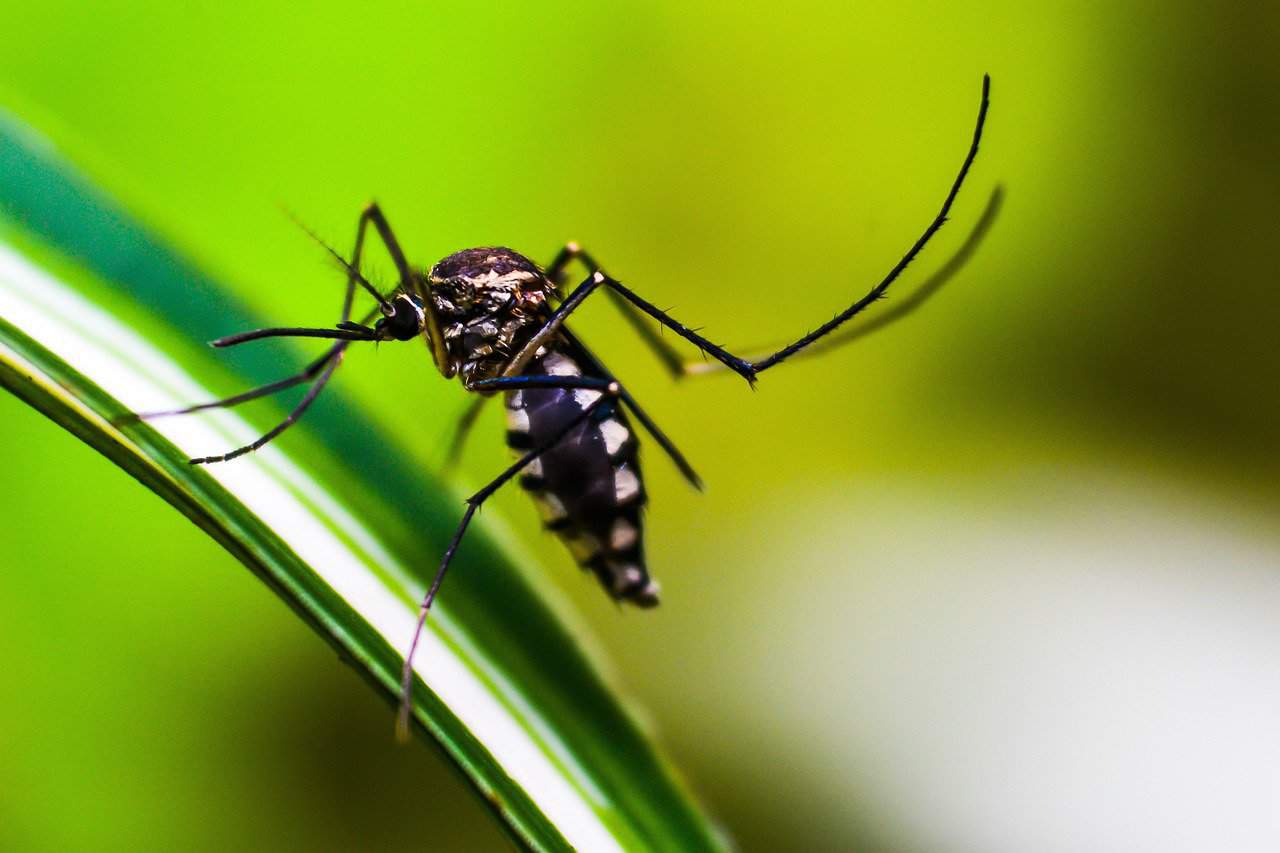
Costa Rica is fighting an uphill battle against two mosquito-borne diseases this year, with dengue cases climbing sharply and malaria showing signs of resurgence after a period of dramatic progress toward elimination. The Ministry of Health reported this week that dengue cases have reached over 3,400 through epidemiological week 32 of 2026, a 30 percent increase over the same period last year, when 2,405 cases had been recorded.
The Central North region has logged the highest raw number of cases, while the Central Pacific region carries the heaviest burden relative to its population, with a rate of 240.2 cases per 100,000 residents. At least five people are currently hospitalized with dengue, one at Hospital San Rafael in Alajuela and four at Hospital Víctor Manuel Sanabria.
What makes this year notable is not just the case count but the trajectory. Costa Rica actually started 2026 behind the previous year’s pace, with an 8 percent reduction in cases reported through early July. Since then, the numbers have accelerated past 2025 levels every week, climbing from a 25 percent year-over-year increase in mid-August to 30 percent now.
Vector control teams have visited nearly 400,000 homes this year, treated more than 2.4 million potential mosquito breeding sites and fumigated over 520,000 houses in an effort to slow the spread of Aedes aegypti, the mosquito responsible for transmitting the virus.
Malaria is following a very different but equally concerning pattern. Costa Rica had been on a genuinely remarkable trajectory toward eliminating the disease, with cases collapsing by the same point in 2025, a result credited to coordinated work between the Ministry of Health, the Social Security Fund, the Pan American Health Organization and the Inter-American Development Bank.
That progress appears to be reversing this year. Case counts climbed steadily through 2026, from roughly 30 to 35 cases in the first several months to 74 accumulated by mid-August, according to the most recent Ministry data. Much of the resurgence traces back to the Huetar Norte region and specifically to Crucitas, the illegal gold mining zone in San Carlos that has drawn scrutiny for years over its environmental and legal fallout.
Health authorities have linked a significant share of this year’s malaria cases to population movement between that mining area and Nicaragua, where malaria and chikungunya have both been rising. Costa Rica and Nicaragua renewed a binational agreement in early July aimed at coordinating malaria control efforts along the border, even as Nicaraguan health officials reported nearly 2,000 malaria cases and more than 600 chikungunya cases domestically through the middle of the year.
Health officials are urging residents to treat both outbreaks as a shared responsibility. For dengue, that means checking patios and gardens regularly and eliminating standing water in containers like tires, bottles and cans where mosquitoes breed.
Anyone experiencing fever, muscle or joint pain and general malaise should watch closely for warning signs such as abdominal pain and vomiting, and seek medical care immediately rather than self-medicating. For malaria, officials point to the same underlying pressures driving the numbers up, including mining activity and cross-border movement, as the areas requiring the most sustained attention going forward.





