

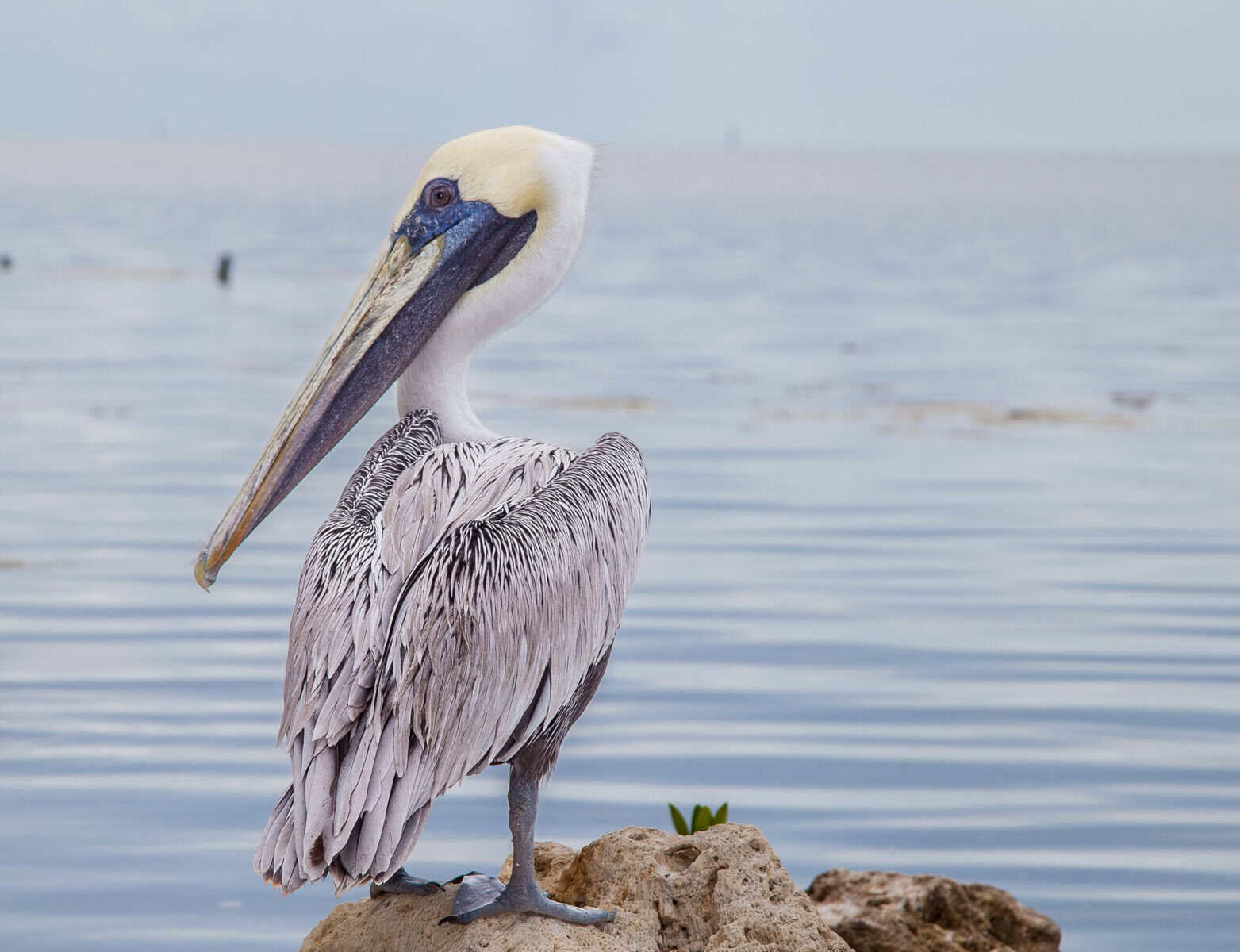
If a pelican walks toward you on the beach, something is wrong with that bird. Don’t touch it. Sick, disoriented and dead pelicans have been turning up along Costa Rica’s Pacific coast since late June. Two months on, nobody has worked out what is killing them. Start with the question most people actually want answered.
It is not bird flu — at least not in anything tested so far. SENASA has processed 121 samples from 59 wild birds through August 10, covering pelicans, boobies, blue-footed boobies, hawks, owls and parakeets, and everyone came back negative for avian influenza. Tests for Newcastle disease came back negative as well, and the agency says nothing so far links the deaths to either virus. Negative results are not an answer, though.
They only rule things out. Randall Arguedas, who heads epidemiology at SENASA, points out that wild bird die-offs can come from a long list of causes — other infectious agents, poisoning, environmental conditions, nutritional problems — and that sorting between them takes more than viral screening.
The investigation has widened accordingly, into clinical assessments, tissue studies and necropsy findings, with SENASA, SINAC, the Health Ministry, Universidad Nacional and wildlife rescue centres all working the same problem.Arguedas is blunt that no single cause can be pinned down yet, and that whatever conclusion comes will have to rest on lab work rather than guesswork.
The pelicans are the bulk of what’s been examined. Nineteen of them account for 39 of the samples, alongside five blue-footed boobies and seven other boobies. There is one confirmed bird flu case in the country, and it is worth understanding because it is why this got attention in the first place.
In June a blue-footed booby found at Manuel Antonio tested positive for highly pathogenic avian influenza, type A, subtype H5 — Costa Rica’s first case since 2023. Sick pelicans started appearing shortly afterwards, and the timing alone was enough to make people assume the two were connected. So far the lab work says they aren’t.
What you would actually notice, if you came across one, is the behavior. Biologist Rodolfo Vargas, who founded Refugio Animal Costa Rica, has flagged pelicans approaching swimmers as abnormal for the species here, and counted 13 birds in that condition around Guanacaste over a matter of weeks. Reports have clustered in Guanacaste and around Jacó, with affected birds appearing weak, disoriented, or struggling to fly.
A healthy pelican wants nothing to do with you. One that lets you walk up to it is telling you it’s ill. So, leave it where it is and don’t handle sick or dead birds, and report what you’ve found so the people with protective equipment and a diagnostic protocol can deal with it. The nearest SINAC or SENASA office is the right call, and reporting promptly matters more than anything you could do yourself.
Resist the urge to move the bird somewhere shadier or carry it to a vet. You risk exposing yourself to something nobody has identified yet, and you remove the animal from the location where investigators need to find it. Keep your dog well away, and wash your hands if you’ve touched anything nearby.
None of this is a reason to change your beach plans. A handful of sick birds across a coastline this long is not an outbreak affecting people, and no health authority has restricted access to any beach. It is a reason to look, not touch, and to make one phone call if you see something wrong.
Two months of negative tests means the answer, when it arrives, is likely to be something less obvious than a virus.





