
Panama and El Salvador declared states of alert on Tuesday over the El Niño climate phenomenon, which is expected to reach record levels and has already forced authorities to reduce traffic through the Panama Canal. El Niño is a natural climate phenomenon that occurs every two to seven years.
Surface waters in the central and eastern equatorial Pacific Ocean become warmer, bringing hotter and drier conditions to some areas and cooler and wetter weather to others, while increasing the risk of extreme weather events.It is occurring on top of human-caused global warming and, according to experts, could help make 2027 the hottest year ever recorded.
Against this backdrop, Panama’s Interior Minister Dinoska Montalvo announced Tuesday that a state of emergency had been declared so the country can “be prepared to face whatever may happen.” The measure is intended, among other things, to speed up administrative procedures in response to the climate phenomenon.
Last week, the Panama Canal Authority had already announced that because of water shortages, the interoceanic waterway would reduce traffic from 36 to 34 vessel transits per day starting September 3, and then to 32 per day beginning in mid-September. About 5% of global maritime trade passes through the 80-kilometer, or roughly 50-mile, canal.
Farther north, El Salvador also declared its highest alert level Tuesday because of El Niño, which is causing widespread drought. Environmental authorities said 14 temperature records were broken during August. “A red alert is declared due to meteorological and agricultural drought throughout the entire national territory,” the country’s Civil Protection agency wrote on X.
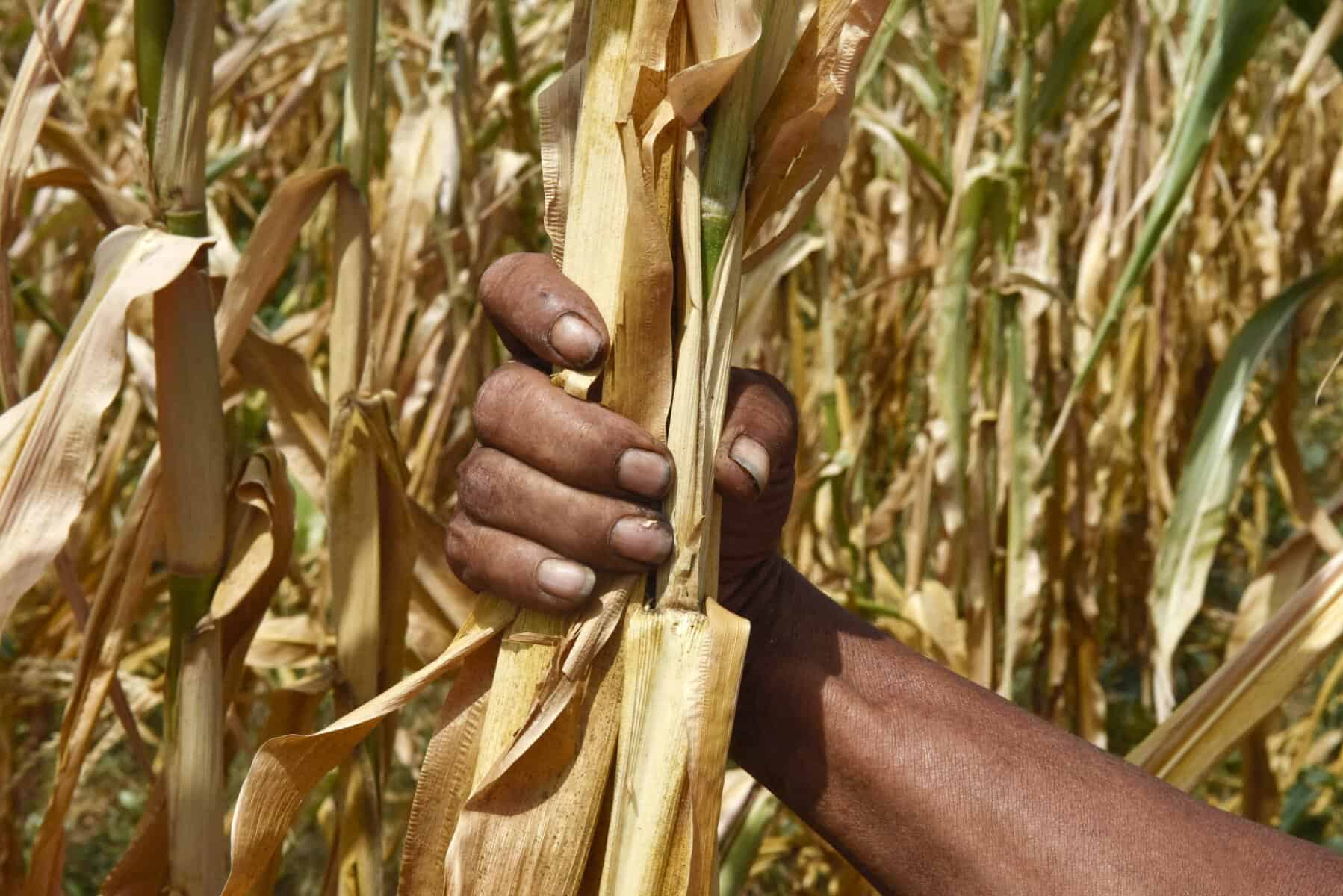
The measure includes monitoring water resources and crops, identifying communities facing emergency conditions and strengthening epidemiological surveillance, according to the agency. The lack of rainfall in El Salvador has lowered water levels at springs and caused crop losses. According to the Association of the Salvadoran Chamber of Small and Medium Agricultural Producers, the first harvest of basic grains is expected to suffer an overall production loss of about 20%.
The Ministry of Agriculture had previously announced food assistance for farming households affected by the drought. Part of El Salvador lies within Central America’s “Dry Corridor,” an arid region that is especially vulnerable to extreme weather. The corridor also includes part of Honduras, where southern and western areas have suffered losses of corn and bean crops. The government has placed nearly 80% of the country under alert.
The United Nations World Food Programme recently estimated that Central America will “probably be the region most affected in terms of the relative increase in food insecurity” caused by El Niño. From Mexico to northern Brazil, including areas along the Pacific coast and across the Guiana Shield, about 110 million people experienced the hottest July in the available record, according to calculations based on data from the European Union’s Copernicus climate program.