

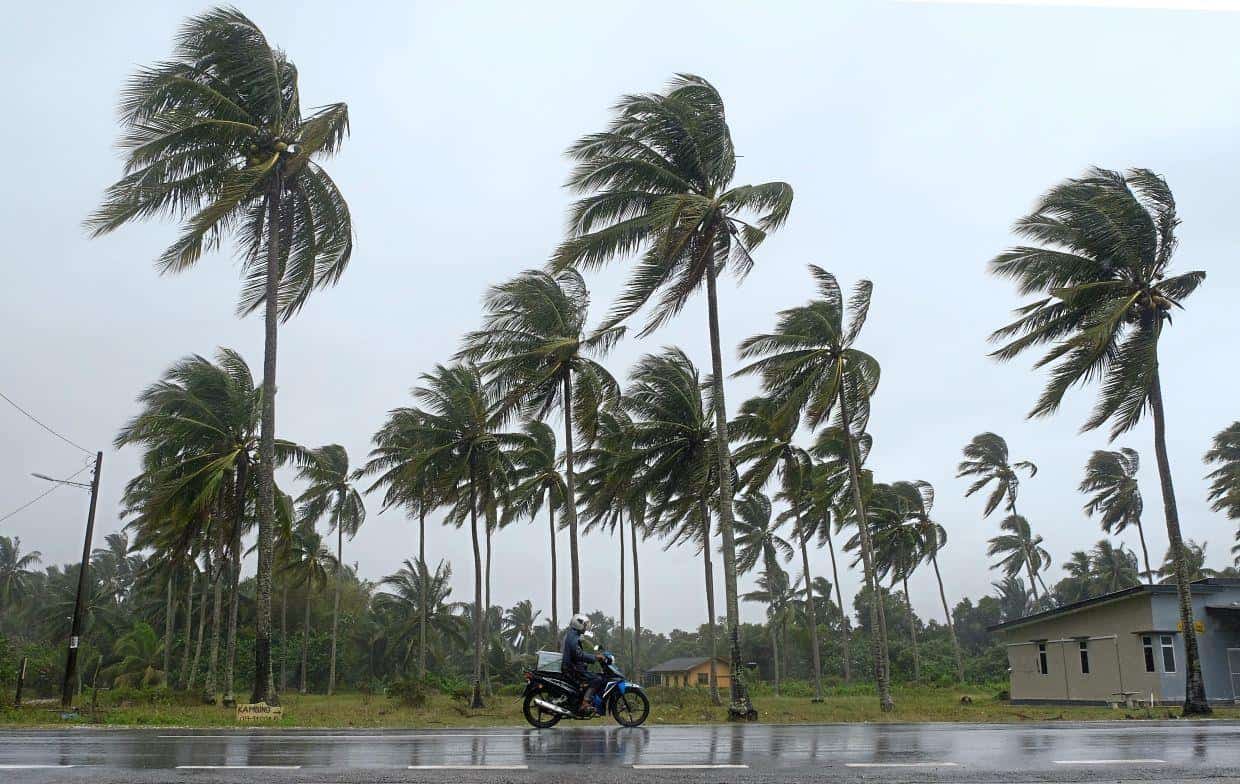
When will it end? Costa Rica’s recovery from this month’s flooding suffered a setback today as the number of schools without in-person classes rose from 12 to 40. The increase comes as Tropical Wave 37 crosses, bringing yet another round of rain to northern and Caribbean communities where the ground remains soaked and some roads are still difficult to use.
Thirty-two of the affected schools and high schools are in the Northern Zone. Four are in Sarapiquí and another four are in the Guápiles education region. The schools will use Costa Rica’s hybrid education system while their buildings or access routes remain unsafe. In-person classes will resume once local conditions improve.
The increase does not mean Costa Rica has returned to the worst point of the flooding. On August 19, 473 schools remained closed and more than 1,300 people were staying in emergency shelters. By Wednesday, August 26, the number of school closures had fallen to 12. today’s rise to 40 shows how fragile that progress remains. Several days with less rain allowed rivers to fall and roads to reopen, but the ground has not had enough time to dry. A new downpour can quickly flood a low road, raise a stream or trigger another landslide.
If you didn’t know by now, tropical waves are long areas of unstable air that move west across the tropics. They are common during Costa Rica’s rainy season and do not automatically cause serious damage. The concern this time is that Wave 37 is arriving after weeks of repeated rain. Strong trade winds over the Caribbean Sea are also pushing more moisture toward Costa Rica. Rain was expected first near the Limón coast Thursday morning before spreading farther inland across the Caribbean and Northern Zone.
The strongest downpours are expected in the afternoon, particularly in mountainous areas. Rain could continue tonight over the Caribbean mountains and near the South Pacific coast. Anyone traveling through the Northern Zone, Sarapiquí or the Caribbean should check road conditions before leaving. Conditions can vary considerably between nearby communities, especially where the only access road crosses a river or passes below a steep slope.
Drivers should not try to cross flooded roads as water can hide damage to the pavement, and even a shallow-looking current may be strong enough to move a vehicle. The latest rain falls as nine flood-hit areas remain covered by a national emergency declaration: Guatuso, Turrialba, Sarapiquí, Talamanca, Matina, Limón, Guácimo, Pococí and Siquirres. The declaration is intended to speed up repairs to roads, bridges, water systems and other public infrastructure damaged by Tropical Waves 32 and 33 earlier this month.
Wave 37 should continue moving west after crossing Costa Rica and that may minimize its effects, but it will not immediately remove the danger left by saturated ground. Families in affected communities should continue checking school announcements because a school can reopen or close again as road and weather conditions change.





