

Costa Rica ended July with two sharply different weather realities: unusually dry conditions across much of the Pacific and Central Valley, and exceptionally heavy rainfall along the Caribbean coast. Rainfall in parts of the Pacific and Central Valley fell as much as 58% below normal during July, according to figures from the National Meteorological Institute. Meanwhile, parts of the Caribbean and eastern Northern Zone received up to 70% more rain than expected.
The imbalance is a characteristic effect of El Niño, which often reduces rainfall on Costa Rica’s Pacific side while increasing precipitation in the Caribbean. The most striking dry reading came from Pavas in San José, where only 4.8 millimeters, or 0.19 inches, of rain were recorded during the entire month. El Carmen, also in San José, received 56.4 millimeters, or 2.2 inches.
For comparison, a single typical heavy downpour can produce about 25 millimeters, or nearly one inch, of rain. At the other extreme, Cariari de Pococí recorded 1,274.6 millimeters, or more than 50 inches, during July. Two major periods of heavy rain contributed to the Caribbean totals, including the passing of a tropical wave on July 2 and 3 and another prolonged rainy period between July 20 and 24.
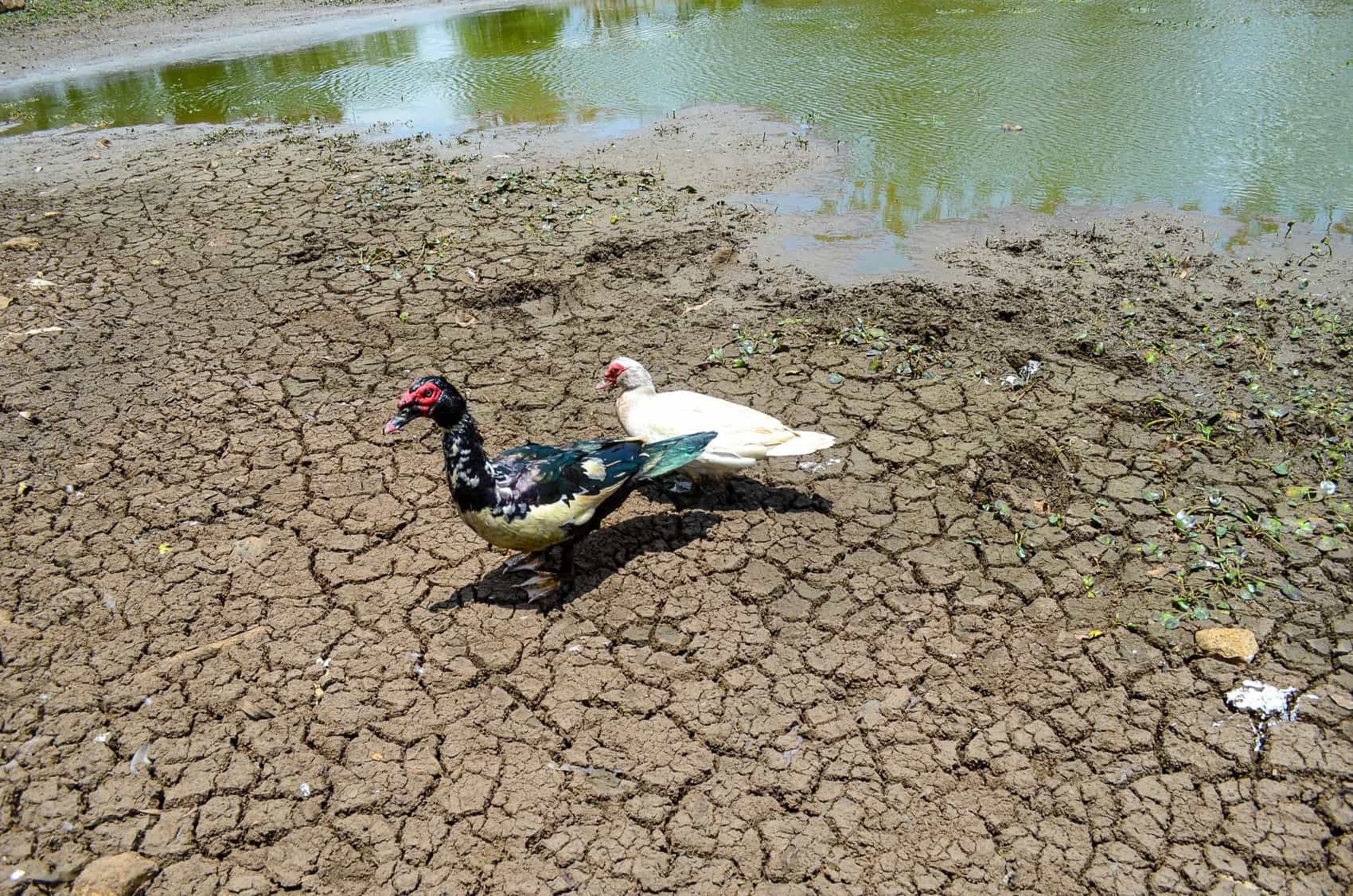
The monthly figures deepen concerns about Costa Rica’s widening drought. The Central Valley, western Northern Zone and much of the North Pacific now meet the technical requirements for meteorological drought. The Nicoya Peninsula, Osa Peninsula and parts of the Central Pacific could be added if below-normal rainfall continues during the coming weeks.
A meteorological drought does not automatically mean that homes are already running out of water. The designation is based on sustained rainfall deficits measured across multiple weather stations over several months. However, prolonged dry conditions can eventually reduce river flows, groundwater supplies and reservoir levels while placing additional pressure on farms, livestock and public water systems.
The shortage has been building throughout the year. From January through July, the North Pacific received 28% less rain than normal. The Central Pacific had a 25% deficit, while the South Pacific and Central Valley were about 21% below their historical averages. The opposite pattern continued on the Caribbean side. The North Caribbean received 21% more rain than normal during the first seven months of the year. The eastern Northern Zone recorded a 19% surplus, while the South Caribbean received 16% more.
Heavy rain in the Caribbean has already caused flooding, road damage and landslides in places including Matina and Turrialba. The situation illustrates why isolated storms do not necessarily end a drought elsewhere. Rainfall distribution is one of the main complications associated with El Niño. A region can receive intense rain over a short period and then go through long stretches with little or no precipitation. National totals can therefore hide serious shortages in particular areas.
Costa Rica’s National Emergency Commission (CNE) has placed 71 cantons under drought-related alerts. Fifty-four are under a yellow alert and 17 are under a green alert, allowing local governments and national agencies to increase monitoring and prepare for possible water, agricultural and wildfire problems.
Some affected areas have recorded rainfall deficits of up to 80%, with authorities warning that conditions in certain regions are already more severe than during the El Niño events of 1997 and 2015. Meteorologists expect El Niño to strengthen further during the second half of 2026. Its most intense effects are currently projected between October and February 2027, and drought conditions could continue into March or April.
The latest short-term forecast also continues to show very dry conditions across the North and Central Pacific, with drier-than-normal weather expected in the South Pacific, Central Valley and western Northern Zone. For residents and visitors, the uneven conditions mean weather can differ dramatically over relatively short distances. The Pacific may experience long dry and sunny periods during what is normally the rainy season, while Caribbean communities continue to face heavy rain, flooding and landslide risks.





