

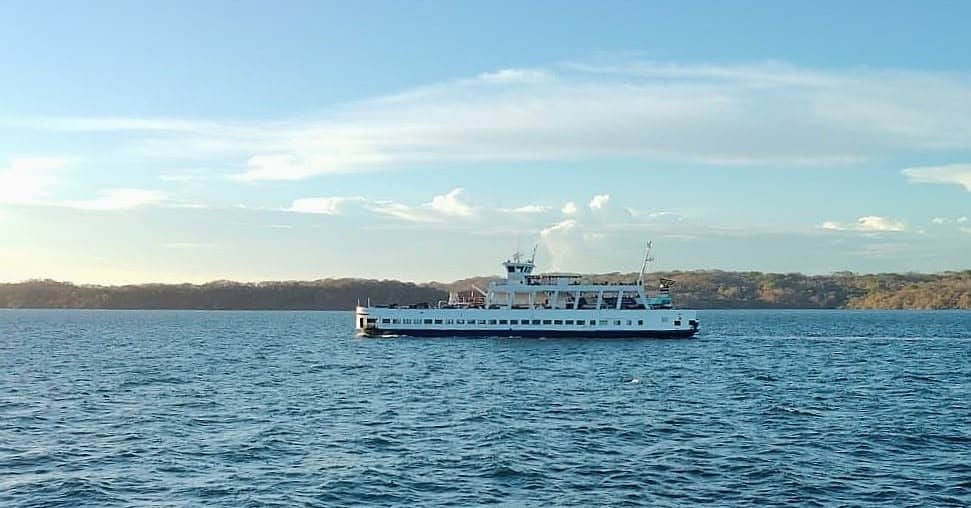
If you cross between Puntarenas and the southern Nicoya Peninsula in the next few weeks, expect fewer sailings, fuller boats and longer waits at the ramp. Starting the evening of Thursday, July 30, only one vessel will work the Puntarenas–Playa Naranjo route. The San Lucas II comes out of service that night and stays out until the early hours of Sunday, August 23. Until then, every crossing in both directions falls to the San Lucas III alone.
Two departures disappear from the timetable during that stretch. The 8:30 p.m. sailing from Puntarenas is the last one before the vessel goes in, and the 5:15 a.m. run from Playa Naranjo goes with it. Those two trips return when the San Lucas II comes back on August 23. If you have been relying on the late boat out of Puntarenas or the pre-dawn boat off the peninsula, you need a different plan for the next three and a half weeks.
The cause is sand. Sediment has piled up around the docking ramp on the Puntarenas side, and the shallow water there has forced the ferry to scrape across the sandbanks every time it comes in and pulls away. That grinding does real damage below the waterline. Sand gets pulled into the seawater intakes that cool the engines, packs into the pipes and chokes the systems that keep the boat running.
The operator, the Coonatramar cooperative, says the San Lucas II has taken the worst of it, and that the repair work covers the engines, the propulsion system and the sea intakes, along with flushing the accumulated sand out of the piping. Coonatramar framed the shutdown as the cheaper of two bad options — take the hit now over a few weeks, or risk a much longer outage later if the damage goes unaddressed.
For anyone planning a trip, a few things follow from this. Book ahead if you can, and treat the online ticket as your seat rather than a formality. With one boat covering the whole day, a sailing that sells out means waiting for the next one, which could be hours away rather than the usual gap. If you are driving on, get to the terminal well before departure and buy the vehicle ticket before you queue, because vehicles without a ticket do not board. Weekends will be the worst of it.
There are two ways around the squeeze. The Paquera ferry, run by a separate operator out of the same Puntarenas terminal area, is unaffected and lands you closer to Tambor, Cóbano, Montezuma, Santa Teresa and Mal País anyway. If your destination is on that side of the peninsula, take it and skip the crowding entirely. If you are headed to Nicoya, Sámara, Nosara, Jicaral or Lepanto, Playa Naranjo is still the direct crossing, but the land route over the Río Tempisque bridge remains open and adds a few hours rather than leaving you stranded.
One caution worth taking seriously. Single-vessel operations are fragile. If the San Lucas III has a mechanical problem of its own during these weeks, there is no second boat to absorb it, and the route stops until the issue is fixed. Anyone with a flight to catch, a medical appointment or a hard deadline on the far side should build in real margin, not fifteen minutes.
The sediment problem itself is not new, and it is not going away with this repair. Dredging the approach to the Puntarenas ramp is the underlying fix, and until that happens the boats will keep working a channel that is shallower than the route was designed for. Travelers should confirm the operating schedule directly with Coonatramar before heading to the terminal, since a one-boat timetable can shift with tides, weather and demand.





