

More than 199,000 patients were waiting for surgery in Costa Rica’s public healthcare system at the end of 2025 as a severe shortage of anesthesiologists forced major hospitals to close operating rooms and reschedule procedures.
An internal audit of the Costa Rican Social Security Fund, known as the CCSS or Caja, identified a nationwide shortage of at least 99 anesthesiologists. The lack of specialists has left hospitals unable to fully use operating rooms that are otherwise equipped and ready for patients. The impact is particularly visible at three of the country’s largest hospitals.
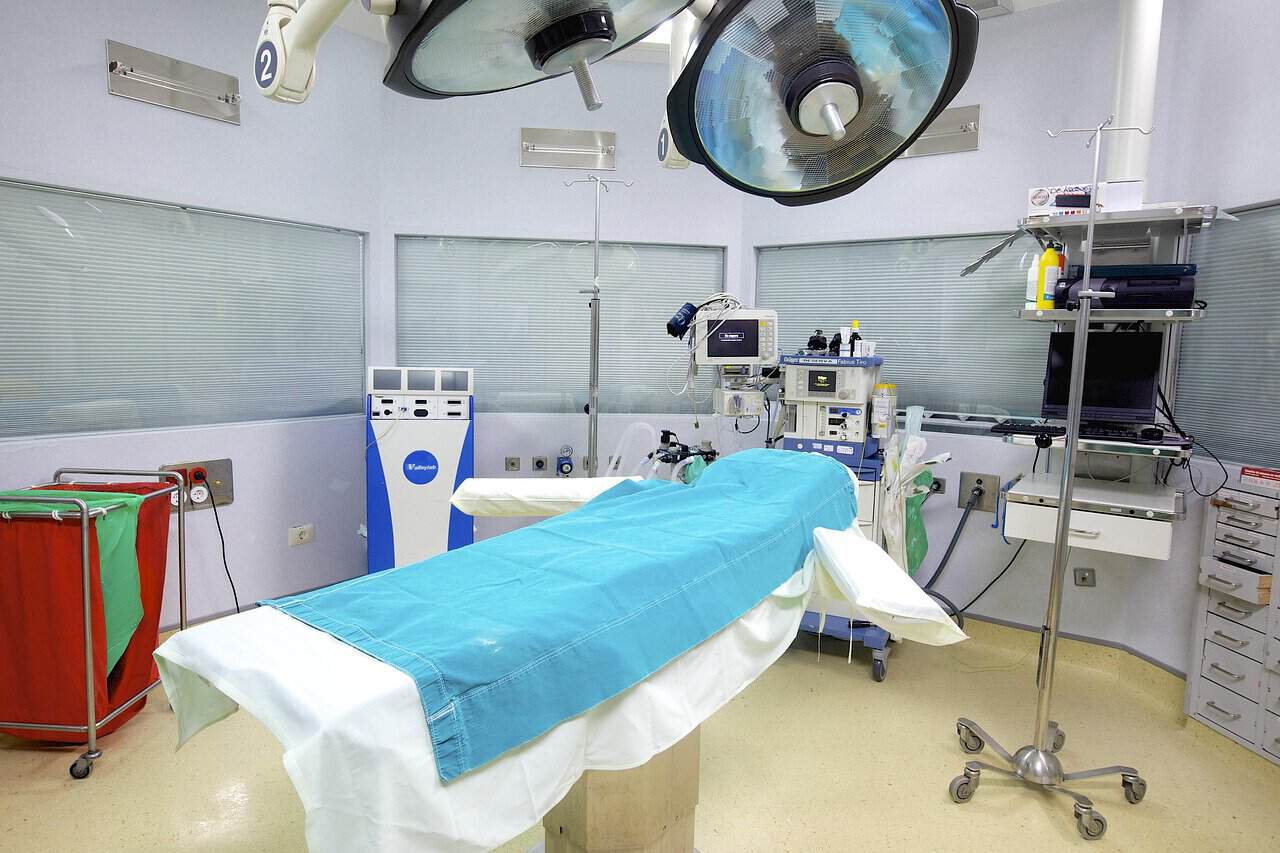
San Juan de Dios Hospital has been closing one or two operating rooms per day because it does not have enough anesthesiologists. Calderón Guardia Hospital has been unable to use as many as eight operating rooms per week, while México Hospital recorded 85 operating-room closures during a single month.
At Calderón Guardia, only 16 of the hospital’s 24 operating rooms have recently been available. The hospital has about 20 anesthesiologists but needs approximately 35 to operate at full capacity. Four specialists recently resigned from the hospital to work abroad, further reducing its ability to schedule procedures. Hospital officials have been forced to prioritize patients with cancer and other urgent conditions while postponing less critical operations.
Anesthesiologists do more than administer medication to prevent pain. They monitor breathing, circulation and other vital functions before, during and after an operation. Without one present, most surgeries cannot safely proceed. Costa Rica’s surgical waiting list exceeded 199,453 patients during 2025. Average waiting times surpassed 430 days in several heavily affected specialties, including ophthalmology, orthopedics and urology.
The backlog had already been growing before the latest staffing problems. In April 2024, approximately 184,658 people were waiting for surgery. By March 2025, the total had risen to more than 190,000. The shortage means the CCSS cannot solve the problem simply by extending hospital hours or scheduling more weekend operations. Additional surgeries require anesthesiologists, nurses and other specialized personnel to staff each operating room safely.
The CCSS has attempted to reduce delays by transferring patients between hospitals and using available operating rooms in less congested medical centers. One program sent patients from San José hospitals to Monseñor Sanabria Hospital in Puntarenas, where more than 100 operations were performed during the initiative’s first week.
Those measures may provide temporary relief, but they do not address the national shortage of specialists. Training anesthesiologists takes several years, while resignations and departures for jobs abroad can immediately reduce a hospital’s surgical capacity. The audit warned that failing to address the shortage promptly would continue to affect access to care, the timeliness of treatment and patient safety.
For Costa Ricans relying on the public healthcare system, the numbers represent more than an administrative backlog. Thousands of patients are living with pain, limited mobility or worsening medical conditions while waiting more than a year for procedures their doctors have already determined they need.





