

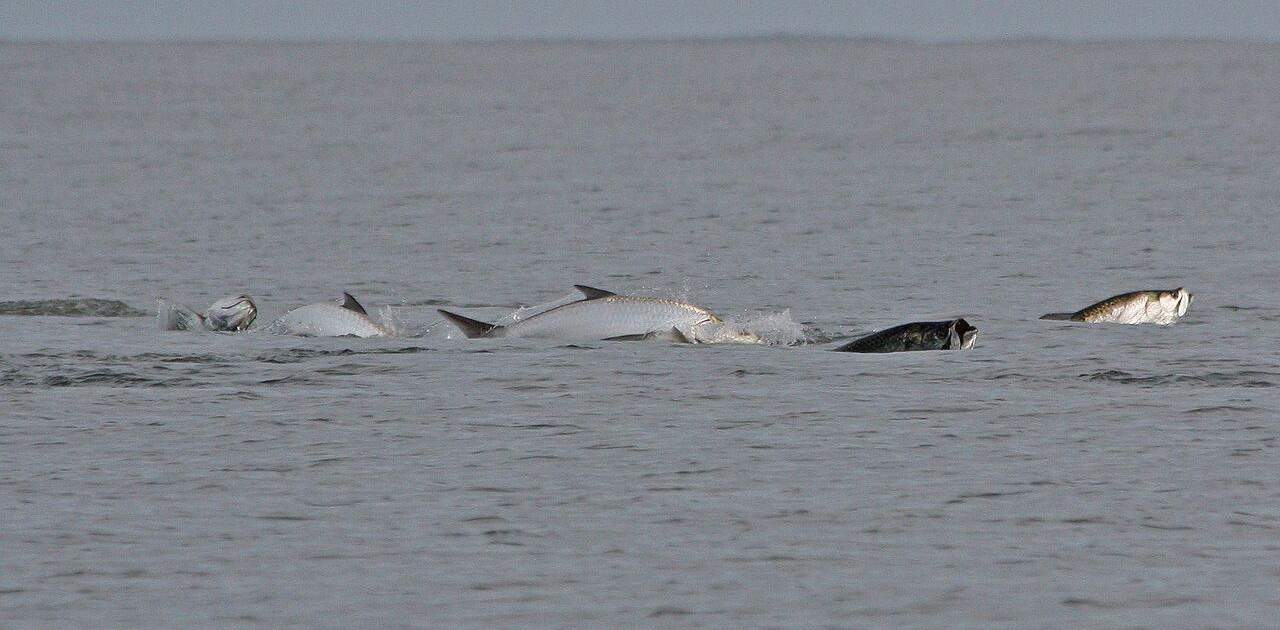
The first thing one learns about tarpon fishing at the mouth of the Río Colorado is that nothing comes easily. The Caribbean can be flat at daybreak and rolling hard by midmorning. The river changes color with rainfall far upstream. Logs, branches and mats of vegetation drift through the current. Bait can be scattered one day and packed tightly against the color change the next.
Then a tarpon rolls beside the boat. Its back appears first, followed by a broad silver flank and the unmistakable sweep of a tail large enough to move a hundred pounds of fish against the river. In that moment, everything else disappears. This is what has made Silver King Lodge famous.
The lodge sits on Costa Rica’s remote northern Caribbean coast, surrounded by approximately 81,177 hectares, or 200,600 acres, of rivers, wetlands, lagoons and lowland rainforest. There is no road leading to the property. Most guests arrive by small plane and then take a boat to get to the lodge. That isolation is not an inconvenience to be overcome. It is one of the reasons the fishery remains so productive.
Silver King Lodge is positioned close to the mouth of the Río Colorado, where the river’s heavy freshwater flow meets the Caribbean Sea. The result is a constantly changing mix of current, sediment, baitfish and saltwater that attracts large Atlantic tarpon throughout the year. These are not the smaller juvenile tarpon commonly found rolling in mangrove creeks. The Río Colorado is known for adult fish.
A typical tarpon may weigh close to 100 pounds (45 kilograms). Fish in the 140- to 180-pound range are realistic possibilities, and every season produces encounters with tarpon approaching or exceeding the 200-pound mark. Numbers like that can sound abstract until one eats near the boat.
The strike is often violent, but the hook-up is only the beginning. A big tarpon can empty line from the reel in seconds before launching completely clear of the water. The fish may jump repeatedly, shaking its head and turning its entire body in the air while the angler struggles to keep the line tight without breaking it.
The old instruction to bow to the king still matters. When a tarpon jumps, the angler lowers the rod toward the fish to reduce pressure and prevent the hook from tearing free. Even when everything is done correctly, many tarpon are lost. Hooks pull. Leaders chafe through. Knots fail. Fish throw lures during the first jump or come unbuttoned after 30 minutes of hard fighting.
That is tarpon fishing. Success on the Río Colorado depends heavily on the guides, and Silver King’s local crew brings decades of experience to the water. They understand how changing river levels, currents, wind direction, bait movement and sea conditions affect where tarpon will hold.
At the river mouth, guides watch for rolling fish, diving birds, bait showering on the surface and subtle changes in water color. A small current seam or patch of nervous bait may be enough to justify another drift. Conventional anglers commonly fish heavy spinning or casting tackle with artificial lures, plugs or natural bait. The equipment must be strong enough to pressure a large fish while remaining manageable through hours of casting and drifting.
Fly fishing is also possible, although this is not delicate sight-fishing over clear flats. Río Colorado fly anglers often deal with stained water, wind, moving boats and fish that may appear without warning.
Heavy fly rods, large-arbor reels, strong backing and carefully constructed leaders are standard equipment. Accurate casts matter, but so does the ability to deliver a large fly quickly when a guide calls out a moving fish. The tarpon fishery operates throughout the year, although two periods traditionally receive the most attention.
The first runs from February through approximately mid-June. The second begins around mid-August and continues through November. September and October are especially popular because increased river flow can move bait and tarpon toward the river mouth. However, there is no guaranteed month in tarpon fishing. Heavy rain can improve one area and shut down another. Rough seas may prevent boats from working outside the river mouth even when fish are present.
That variability is one of the strengths of Silver King’s location. When the Caribbean becomes too rough, guides can move inside the river system, work protected channels or explore lagoons and backwaters. Tarpon remain the primary target, but the surrounding water offers far more than one species.
Large snook run the river mouth, beaches and current edges. Fish weighing more than 20 pounds are possible, particularly when seasonal conditions bring them into the system. Jack crevalle strike lures with little hesitation and fight with the blunt force of a fish that does not understand surrender. Cubera snapper, barracuda, Spanish mackerel and tripletail provide additional inshore opportunities.
When offshore conditions allow, anglers may also encounter wahoo, tuna and Atlantic sailfish. The inland fishery offers a completely different experience. Smaller boats can enter jungle streams, canals and lagoons where anglers cast for guapote, mojarra and machaca beneath overhanging vegetation.
These trips trade the raw power of a giant tarpon for accurate casting, lighter tackle and close-range strikes. They also provide a better look at the wildlife refuge surrounding the lodge. Monkeys move through the canopy. Crocodiles rest along muddy banks. Sloths cling to trees above the channels, and tropical birds appear around nearly every bend.
Still, most come to Silver King for one reason. They come for the chance to watch a giant tarpon rise from brown-green water, open its mouth and inhale a bait or lure. They come for the first jump, when a fish weighing more than the angler suddenly clears the surface.
They come knowing they may lose it. That uncertainty is part of what makes the Río Colorado special. Landing a giant tarpon is never automatic, regardless of equipment, experience or preparation. The fish, the river and the Caribbean always have a vote. Silver King Lodge does not offer an easy fishery. It offers an authentic one: remote, unpredictable, physically demanding and capable of producing one of the most memorable battles in sport fishing.
For those chasing the fish known as the Silver King, there are few places where the name feels more appropriate.





