

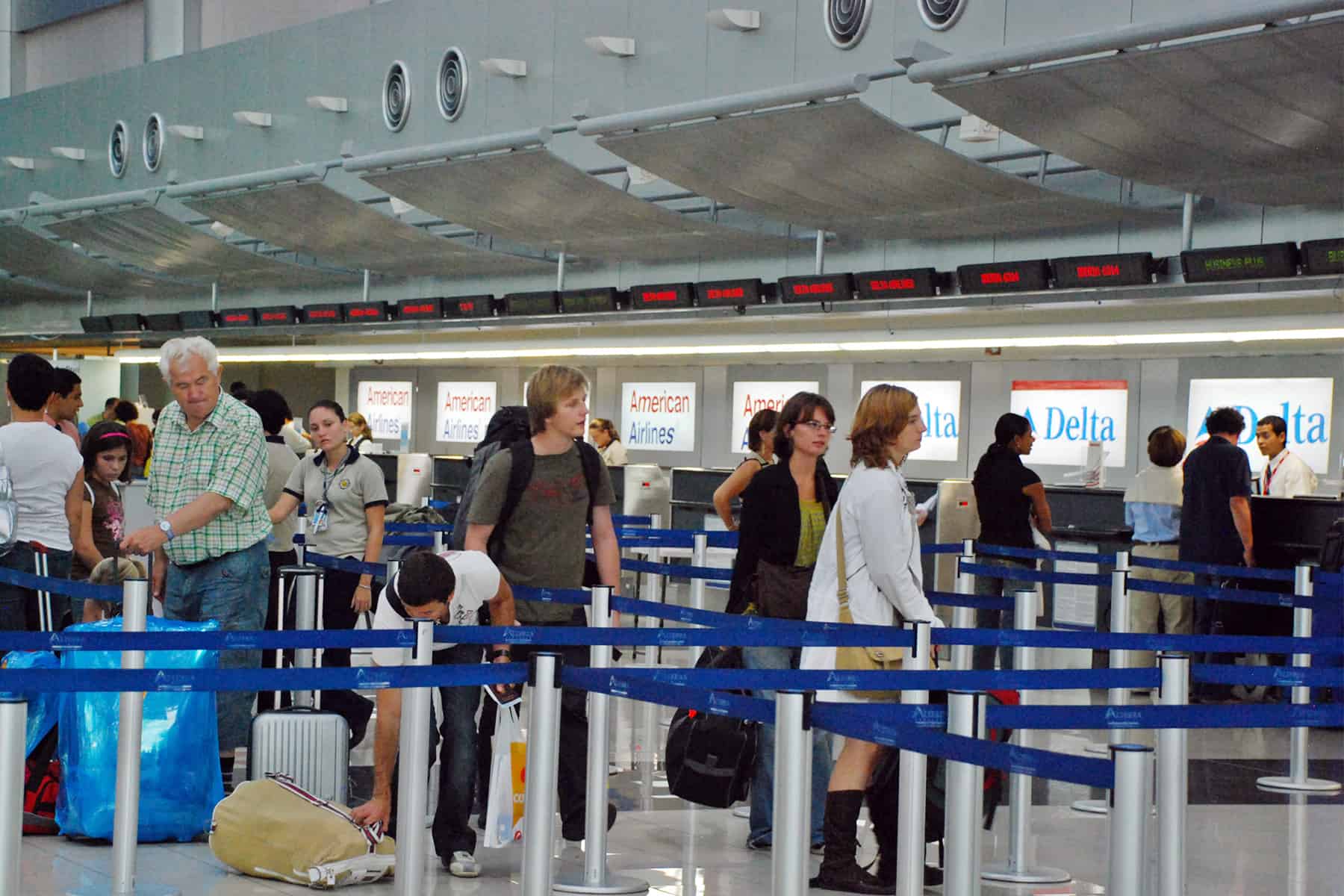
San Jose’s Juan Santamaría International Airport plans to introduce biometric gates by the end of July, a change aimed at speeding up immigration controls at Costa Rica’s busiest airport. The first stage will include four automated gates in the arrivals area and two in departures. More gates could be added later depending on demand.
The system, known internationally as e-gates, uses facial biometrics to verify a passenger’s identity. Instead of going through the traditional process with an immigration officer, eligible travelers will scan their passport and look into a camera. The gate will then check the traveler’s information and either open automatically or send the person to an officer for additional review.
The rollout will begin with Costa Rican citizens who have biometric passports. Those travelers will not need a separate registration because their facial information is already stored in the passport chip. A second phase is expected to include Costa Ricans who do not yet have biometric passports, though they will need to complete a one-time preregistration process.
Foreign travelers with biometric documents may be added in a later phase, but no date has been set for that expansion. The project follows two years of testing at the airport and forms part of broader technology upgrades meant to increase passenger-processing capacity, especially during peak travel hours.
For travelers, the change will not replace immigration controls. Passengers who receive a green light will continue through the gate, while those flagged by the system will be sent to an immigration officer for a manual check. The initial rollout will mostly benefit Costa Rican travelers. Foreign residents and tourists should continue using regular immigration lines unless authorities later expand access to passengers with eligible biometric documents.





