

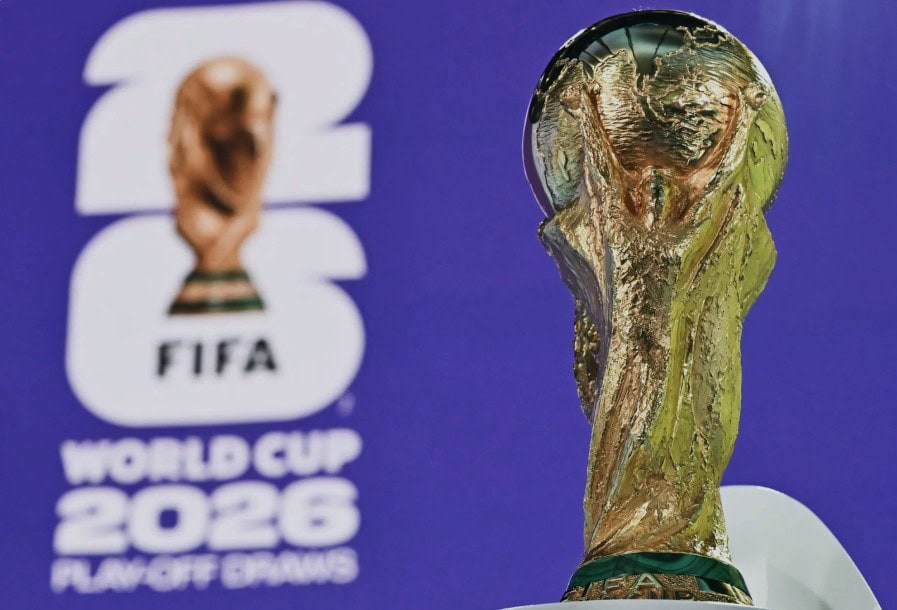
There is something deeply disturbing about the fact that a ticket to the World Cup final now costs more than most Costa Ricans earn in an entire year, and maybe we could be grateful the Sele didn’t even qualify to play in it. The most expensive seats for the 2026 World Cup final at MetLife Stadium are now listed at $10,990, a 587% increase from the 2022 Qatar final, where top tickets cost around $1,600. That number alone tells a story, but what makes it genuinely shocking is the trajectory.
The original bid projections estimated a maximum price of just $1,550 for the final. Since those projections, prices have increased by over 600%, driven by FIFA’s introduction of dynamic pricing for the first time in World Cup history, a model where prices fluctuate with demand, essentially treating the world’s most-watched sporting event like an airline seat, Uber ride or a hotel room during peak season.
The most expensive Category 1 final tickets were $6,370 when sales opened, rose to $8,700 after the draw in December, and have now hit $10,990 with further increases possible before July. The price is not fixed. It goes up every time FIFA decides the market will bear more.
The reasons for this extraordinary premium over any previous tournament are structural. FIFA expects revenues to exceed $11 billion, up from $7.5 billion in Qatar 2022, with the greatest driver of growth being ticket sales and hospitality revenues, which could reach $3 billion, a 216% increase from the approximately $950 million earned from match day revenue in Qatar.
The tournament has expanded to 48 teams and 104 matches, and it is being held in North America, the world’s richest sports market, where American football, basketball, and baseball have normalized the idea of a single premium sports ticket costing thousands of dollars. FIFA is not pricing this World Cup for the global football fan. It is pricing it for the North American consumer market where that expenditure is considered normal, and using dynamic pricing to capture every dollar the wealthiest buyers are willing to pay.
Who is actually sitting in those $10,990 seats? Not the families who painted their faces and followed their national teams to Russia or Brazil. The hospitality program, managed exclusively by On Location, a subsidiary of TKO, features packages expected to range from thousands to tens of thousands of dollars per match, with corporate demand rivaling, and in some cases exceeding, that of the Olympics or the Super Bowl.
The buyers at these price points are corporations using tickets as client entertainment, sovereign wealth investors with football industry interests, wealthy individual collectors of premium sporting experiences, and professional resellers who bought early and are now turning a profit. FIFA itself operates a legal resale market and collects 15% from both the buyer and the seller on every resale transaction, meaning FIFA profits twice from the same seat, once when it sells and again when it changes hands at a premium.
The average monthly income in Costa Rica is approximately 605,000 colones, equivalent to about $1,150 per month. A cheapest-category final ticket at $5,785 represents five months of the average Costa Rican worker’s gross salary, before rent, food, transport, or any other expense. A Category 1 ticket at $10,990 is nearly ten months’ wages, and that is before flights, accommodation in the New York metro area, and the cost of actually getting to the game.
The full trip would cost most working Costa Ricans the equivalent of an entire year’s salary. FIFA did announce a limited number of $60 tickets allocated to each participating national federation for their most loyal supporters, but these represent only around 400 to 700 seats per team per match, an almost insultingly small number against millions of fans worldwide who cannot afford the standard prices.
Costa Rica did not qualify for this tournament. For most Ticos watching from home, that is a genuine disappointment. But the mathematics of who can actually attend in person puts the absence in a different light. The average Costa Rican fan, even one who saved diligently, even one earning above the median, would find a World Cup final ticket financially ruinous. The television screen is not a consolation prize. For the overwhelming majority of the world’s football supporters, it is the only realistic option regardless of whether their team qualified.
Sixty-nine Democratic members of the U.S. Congress wrote a letter to FIFA President Gianni Infantino warning that the 2026 World Cup risks becoming the most financially exclusionary edition to date, accusing the organization of price gouging at the expense of the people who make the World Cup the most-watched sporting event in the world. A group representing European fans and consumers filed a formal complaint with the European Commission seeking to force FIFA to lower prices.
FIFA’s response to both groups was essentially the same: demand is unprecedented, with Infantino claiming ticket requests equivalent to the demand for 1,000 years of World Cups at once. High demand, in FIFA’s logic, justifies high prices. The fact that demand is high precisely because billions of people love football, not because FIFA has done anything exceptional, goes unacknowledged.
The implications for future tournaments are clear and uncomfortable. Dynamic pricing, once introduced, is almost impossible to walk back. If FIFA generates $3 billion from ticketing in 2026, the 2030 tournament, spread across multiple continents, will be benchmarked against that figure.
The 2034 World Cup in Saudi Arabia, backed by oil state money and an explicit sportswashing agenda, will almost certainly see further price escalation. The fan from Buenos Aires, Lagos, or San José who saved for years to attend a tournament will find themselves further and further from the stadium.
A meaningful price cap, capping standard tickets at a genuinely accessible price point, perhaps two weeks of the host country’s median wage, is not a radical idea. It is the minimum that an organization that claims football belongs to everyone owes to the billions of fans whose passion funds every dollar of its $11 billion revenue.
FIFA is technically a not-for-profit but has been scandal ridden and whose members live like royalty. The gap between that legal status and the economic reality of attending its flagship event is now wide enough to fit a stadium in.





