

Costa Rica is seeing another increase in human screwworm infections, with coastal provinces among the most affected areas as health officials warn people not to ignore cuts, sores, and other open wounds.
The latest figures show 16 confirmed human cases in the opening weeks of 2026, up from 12 cases recorded by epidemiological week 6 and 7 cases by week 4, according to Health Ministry surveillance data. The strongest concentration has been in the Pacific Central region, and recent Costa Rican reporting shows Puntarenas now leads the country in confirmed human cases.
Puntarenas had six confirmed cases as of March 17, followed by Heredia with three. San José, Alajuela, and Limón each had two cases, while Guanacaste had one. That puts two coastal provinces, Puntarenas and Limón, on the current map of active infections, while Guanacaste also remains affected.
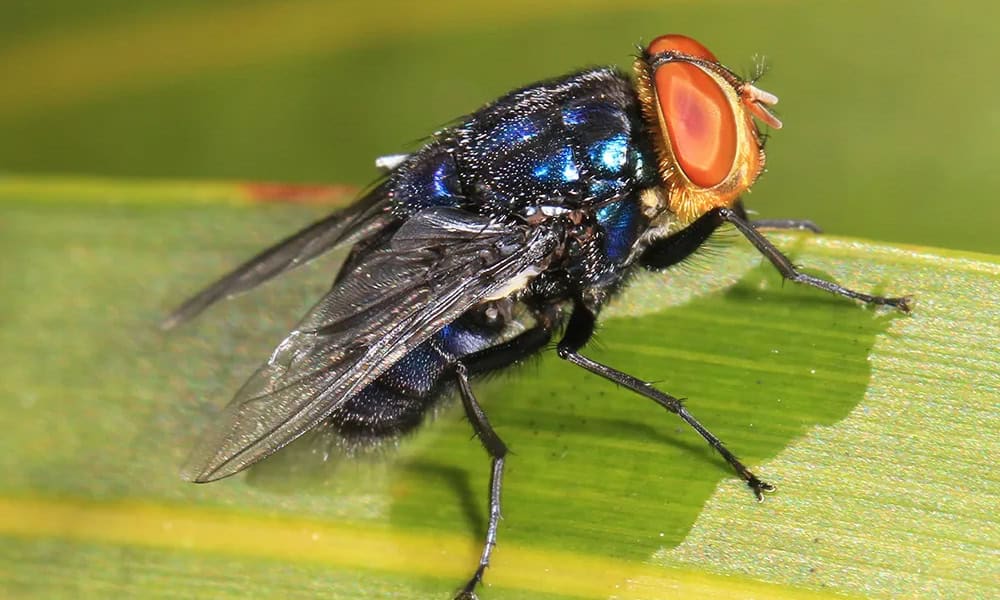
The rise has kept pressure on Costa Rica’s health system because screwworm is not a minor skin problem. The condition is caused by the larvae of the fly Cochliomyia hominivorax, which lays eggs in open wounds or lesions. Once the larvae hatch, they feed on living tissue, making the infection more aggressive than a typical contaminated wound. Costa Rica’s Health Ministry says the disease can affect people, livestock, pets, and wildlife.
The early 2026 pattern also shows that older adults remain the most affected group and that men account for most of the confirmed cases so far. By epidemiological week 6, the ministry’s bulletin recorded nine cases in men and three in women. The same bulletin identified Puntarenas and Limón among the provinces with confirmed cases and placed the Pacific Central region at the top nationally.
The warning from health authorities is simple: treat wounds quickly and do not leave them exposed. Officials are urging people to wash injuries, keep them covered, and seek medical care if a wound becomes painful, swollen, red, produces discharge, or shows signs that suggest larvae may be present. The ministry has also stressed the need to monitor pets and farm animals, since untreated infestations in animals can increase the risk of human exposure.
Costa Rica has been dealing with a wider resurgence of screwworm after years of eradication. Our country closed 2025 with 106 confirmed human cases, far above the 40 recorded in 2024. The ministry’s annual reports and epidemiological bulletins show that the disease returned as a growing public health concern alongside thousands of confirmed cases in animals.
That wider animal outbreak remains part of the concern for this year. Earlier this month Costa Rica had already logged 1,277 confirmed animal cases this year, showing the parasite is still circulating widely across the country.
For our coastal communities, the message is increasingly urgent. The latest numbers suggest screwworm remains active in warmer and more rural parts of our country, especially where people may delay care for skin wounds or live in close contact with domestic animals. With Puntarenas now leading the human case count and Limón and Guanacaste also on the list, officials are pushing early treatment as the best way to stop small wounds from turning into serious infections.





