

Oil prices climbed sharply this week as fighting in the Middle East intensified, with U.S. and Israeli strikes on Iran prompting retaliatory actions that disrupted key shipping routes. The global benchmark, Brent crude, rose as much as 13 percent to $82.37 per barrel before settling around $79, up from $72.87 at Friday’s close. U.S. West Texas Intermediate crude increased 8.25 percent to $72.55 per barrel.
The unrest centers on Iran, where attacks targeted military sites and leadership, leading Tehran to strike back at U.S. and Israeli assets across the region. This has slowed traffic through the Strait of Hormuz, a passage that carries about 20 percent of the world’s oil. While the strait remains open, several vessels, including those from China and Iran, have navigated it with difficulty, according to shipping data. Tanker operators now face higher risks, with some rerouting around Africa to avoid the area.
In response, Saudi Arabia, Russia, and other OPEC+ members agreed to boost output by 206,000 barrels per day starting in April, exceeding earlier plans. This move aims to ease supply pressures, but analysts note it may not fully offset disruptions if the conflict drags on. Some forecasts suggest prices could exceed $100 per barrel if the strait faces prolonged issues, given the region’s role in global energy flows.
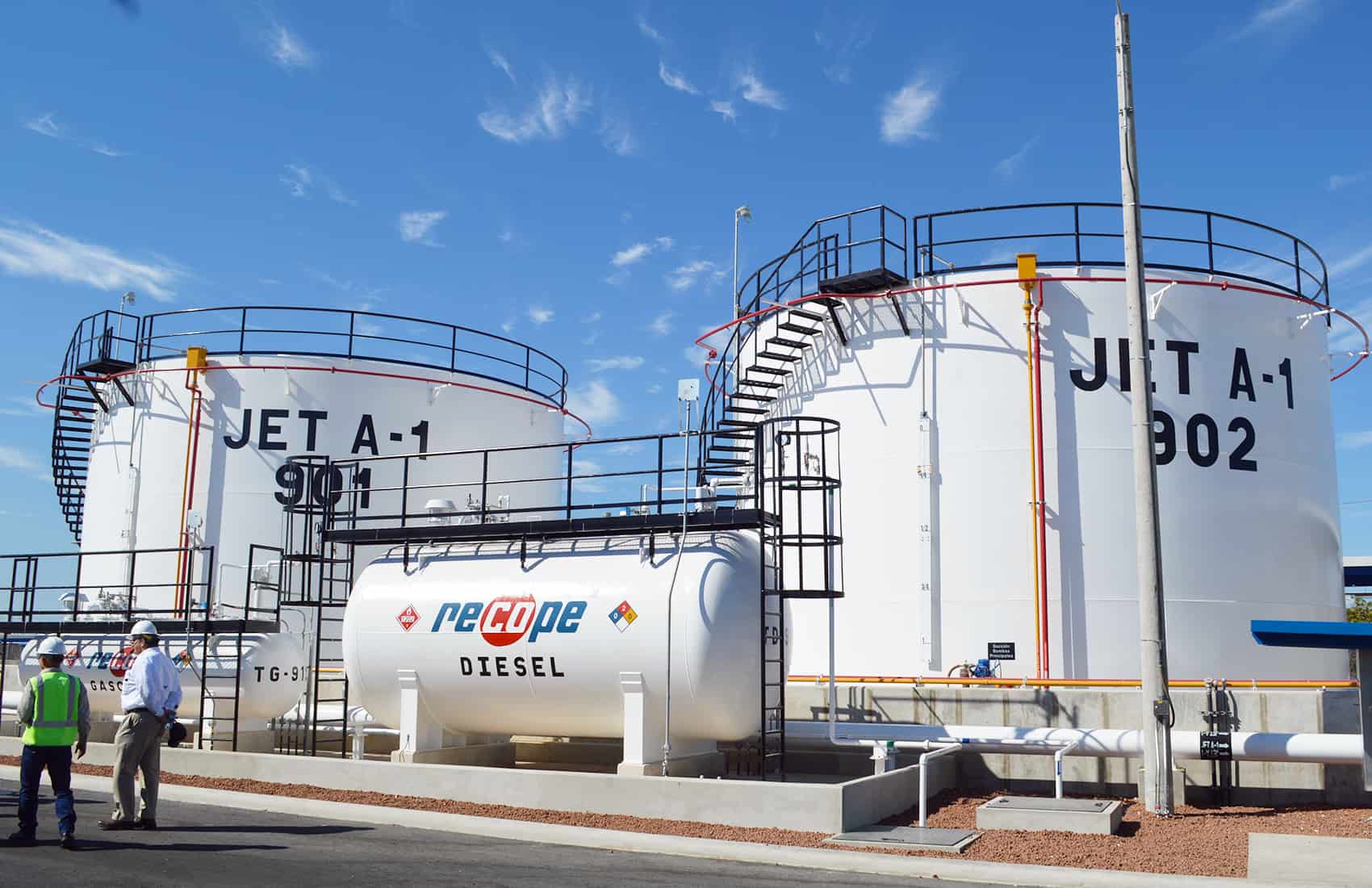
For Costa Rica, which imports nearly all its petroleum needs, the price hike spells immediate challenges. Fuel costs here tie directly to international markets, and recent trends show gasoline and diesel prices adjusting upward in line with crude fluctuations. The Regulatory Authority for Public Services (ARESEP) typically reviews rates monthly, and this surge could push super gasoline above ₡800 per liter and diesel near ₡700, based on past patterns during similar events.
Higher energy expenses affect multiple sectors. Transportation firms, including bus operators and freight haulers, pass on costs to consumers, raising prices for goods like food and construction materials. Agriculture, a key part of the economy, relies on diesel for machinery and transport, potentially squeezing farmers’ margins. Small businesses, from bakeries to workshops, also feel the pinch through elevated electricity bills, as some power generation still depends on thermal plants using imported fuels.
The broader economy could see inflation creep up. Costa Rica’s consumer price index has stayed low in recent months, but a sustained oil rally might add 0.5 to 1 percentage point to annual inflation, according to economic projections. This comes at a time when households already manage tight budgets amid post-pandemic recovery. The central bank may need to monitor closely, though interest rates remain steady for now.
Tourism, which accounts for about 8 percent of GDP, stands at risk too. Global uncertainty from the conflict could deter international visitors, especially from Europe and North America, where higher airfares due to jet fuel costs might reduce travel. Last year, the sector brought in over $4 billion, but any dip in arrivals would hit hotels, guides, and related services in areas like Guanacaste and the Central Pacific.
While Costa Rica maintains diplomatic ties with most nations involved, the government has called for de-escalation through international channels. Officials emphasize building renewable energy sources, which cover over 98 percent of electricity needs, as a buffer against oil volatility. Yet, transport remains heavily reliant on fossils, highlighting the need for faster shifts to electric vehicles and biofuels.
Experts point out that OECD countries, including potential allies, hold 90 days of crude reserves, providing a short-term cushion. Still, if prices hold above $80, Costa Rica’s import bill could rise by millions, straining the trade balance. The finance ministry has not yet outlined specific measures, but past responses included subsidies for vulnerable groups during spikes.
As the situation evolves, local economists advise watching OPEC+ decisions and strait traffic reports. For now, the conflict serves as a reminder of Costa Rica’s exposure to distant events, pushing calls for diversified energy strategies to shield the economy from future shocks.





