
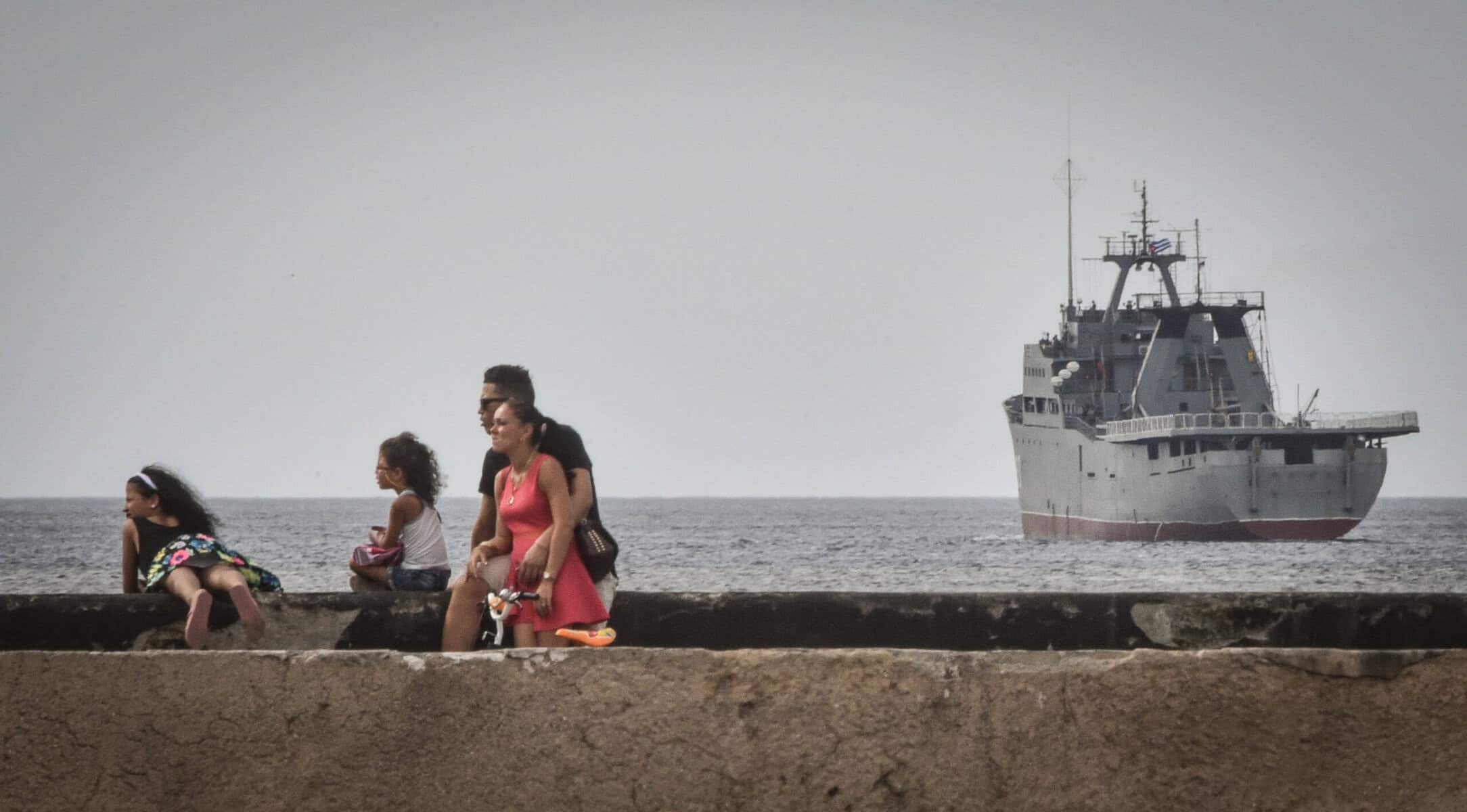
Cuban border guards killed four people and wounded six others aboard a Florida-registered speedboat that entered the island’s territorial waters, according to an announcement from Cuba’s Ministry of the Interior. The incident occurred Wednesday morning near Cayo Falcones in central Villa Clara province. A Cuban patrol boat approached the vessel for identification, and those aboard the speedboat opened fire, wounding the Cuban commander, the ministry reported. Cuban forces returned fire in response.
The six wounded from the speedboat received medical attention from Cuban authorities. An investigation continues to determine the identities, nationalities and motives of those aboard the vessel, which carried Florida registration FL7726SH. The clash highlights ongoing maritime security challenges in the Florida Straits amid strained U.S.-Cuba relations. Cuba has long relied on Venezuelan oil supplies, but recent U.S. actions have disrupted those flows, exacerbating fuel shortages and blackouts on the island.
U.S. forces captured Venezuelan President Nicolás Maduro on January 3, 2026, and flew him to New York to face drug trafficking charges. Maduro’s removal ended a key alliance for Cuba, as Venezuela had provided subsidized oil under bilateral agreements for over two decades.
Following Maduro’s capture, the U.S. imposed restrictions on Venezuelan oil exports, including those destined for Cuba. The measures targeted swaps, debt repayments and other deals, requiring fair market prices instead. Mexico, another supplier, halted shipments to Cuba in recent weeks under U.S. pressure.
The disruptions have deepened Cuba’s economic woes, with reduced access to crude and refined products leading to widespread power outages and transport halts. Cuban officials have attributed the shortages to the U.S. embargo and recent sanctions.
On Wednesday, the U.S. Treasury Department announced it would authorize licenses for the resale of Venezuelan-origin oil to Cuba’s private sector. The policy covers exports for commercial and humanitarian use by individuals and non-state businesses, but excludes transactions benefiting the Cuban military, government or intelligence services.
Applicants for licenses do not need a U.S.-based entity, and the guidance aims to support Cuban citizens amid the fuel crisis. The Commerce Department issued similar rules allowing U.S. exports of petroleum products to Cuba’s private sector without prior authorization, provided they serve personal or family needs.
Cuba described the speedboat incident as a defense of its sovereignty. The ministry’s statement emphasized the right to protect territorial waters from unauthorized entries. Similar encounters have happened before, often linked to human smuggling or illegal migration attempts from Florida to Cuba or vice versa. The 90-mile stretch between the two countries sees frequent patrols by both nations’ coast guards.
U.S. officials have not commented publicly on the clash as of February 25, 2026. The State Department has issued no statements or travel advisories related to the event. The Cuban government maintains an investigation to clarify details, including any connections to broader activities in the region. No timeline for results has been provided.
The episode comes as Cuba negotiates with suppliers to secure alternative fuel sources. Officials in Havana have expressed openness to talks with the U.S. on energy matters, though longstanding disputes over the embargo persist. Regional leaders have voiced concern over Cuba’s situation. Caribbean nations, meeting with U.S. Secretary of State Marco Rubio on Wednesday, discussed the humanitarian impacts of the oil restrictions.
Cuba continues to face internal pressures from the shortages, with reduced industrial output and public services. The government has eased some import rules to allow private entities to purchase fuel abroad. The U.S. has stated its goal includes promoting private enterprise in Cuba while maintaining pressure on state institutions. The Treasury’s new policy reflects that approach, potentially enabling limited oil flows without aiding the government.
As the investigation proceeds, both countries monitor maritime traffic closely. Cuban border forces remain on alert for violations, while U.S. authorities enforce sanctions in the area.