

The U.S. State Department keeps Guatemala at a Level 3 “Reconsider Travel” advisory due to crime. Officials issued the current version in late December 2024 and have not changed the level despite recent government actions against gangs.
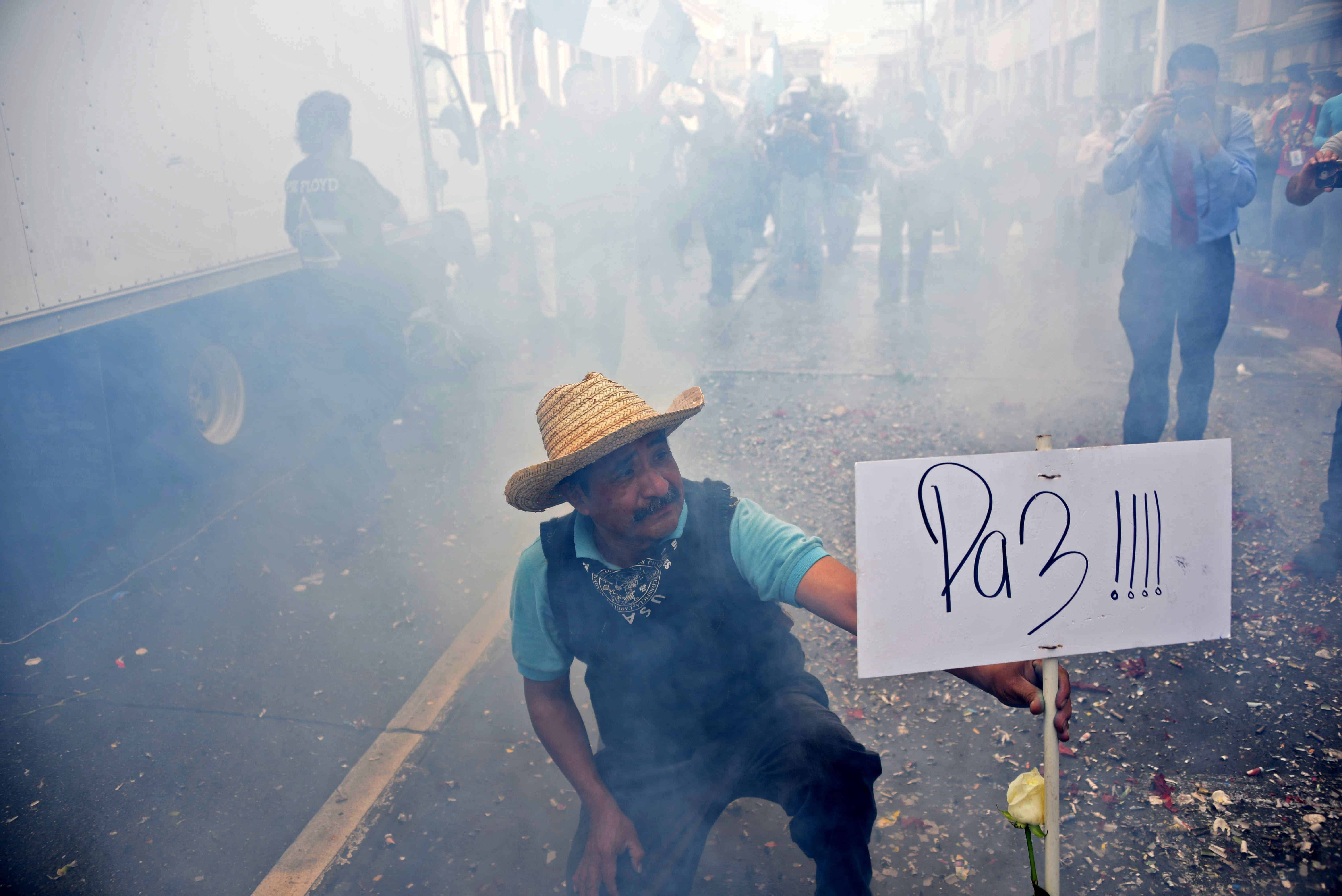
A wave of violence hit the country in January 2026. Members of the Barrio 18 gang staged riots in multiple prisons, took guards hostage, and carried out coordinated attacks that killed 11 police officers in Guatemala City. The events led President Bernardo Arévalo to declare a 30-day state of siege across the nation.
Security forces regained control of the affected prisons and launched operations under the emergency powers. Authorities captured 83 high-risk gang members, seized nearly five tons of cocaine, and reported a 33 percent drop in extortion cases. Homicides fell by half compared to the same period the previous year.
The state of siege ends February 17. Arévalo said the measures broke communication links between prison leaders and street operatives and restored order. A shorter “state of prevention” takes effect next to allow continued targeted actions against organized crime. The travel advisory stays in place. It points to risks of violent crime, robbery, and carjacking. Local police often respond slowly to incidents, and conviction rates remain low.
Travelers in Guatemala City receive clear guidance: keep a low profile, avoid crowds and demonstrations, and monitor local media closely. The U.S. Embassy lifted a brief shelter-in-place order for its staff but noted the situation remains tense in several zones of the capital.
Specific areas carry higher risks. Travelers should not visit Zone 18 in Guatemala City or the city of Villa Nueva. The departments of San Marcos and Huehuetenango also appear on the “Do Not Travel” list outside their main cities. Those who decide to go should arrange trusted transportation from the airport, avoid public buses, and steer clear of driving outside major areas at night. Popular sites such as Antigua and Lake Atitlán stayed calmer during the January unrest.
Costa Rican authorities advise citizens to check current conditions before travel. The incidents highlight ongoing challenges with organized crime in Central America and the need for vigilance in urban areas.





