

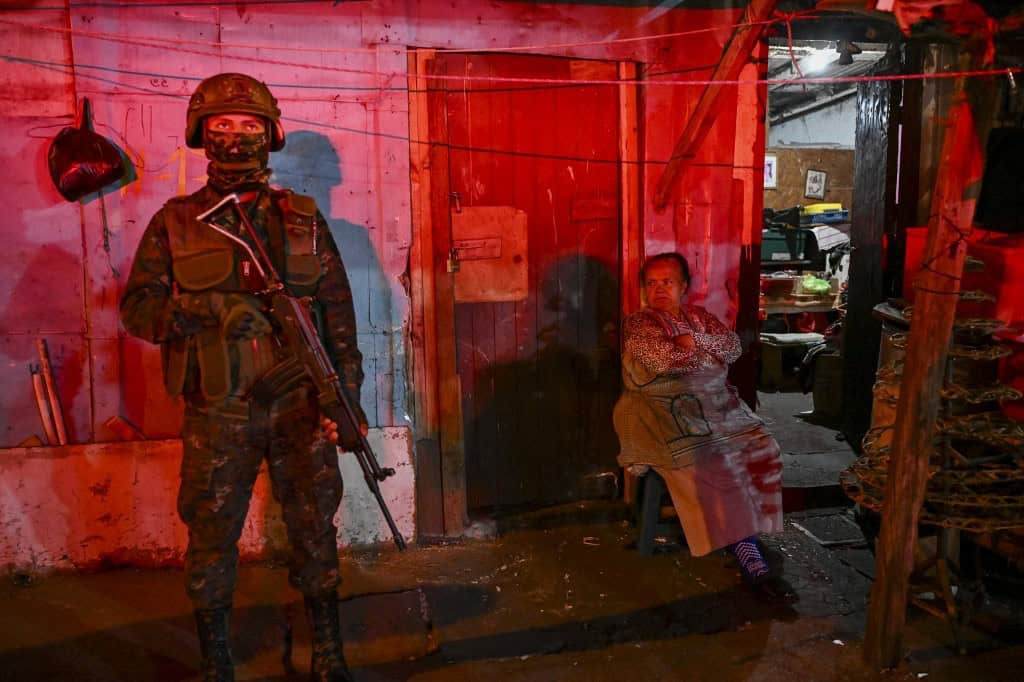
Guatemalan President Bernardo Arévalo said Sunday that the 30-day state of siege helped authorities regain control over gang activity after Barrio 18 members killed 11 police officers in January and set off prison riots. The measure, which Congress ratified, gave police and the army wider powers to respond to the violence. It ends Monday.
“In the 30 days of the state of siege, I can tell you the strategy has delivered forceful results,” Arévalo said in a national radio and television address. He explained that the operation cut communication systems inside prisons and broke the links gangs maintained with groups on the streets. Authorities captured 83 highly dangerous gang members during this period.
Police also seized nearly five tons of cocaine, the largest drug haul in the last 12 years, according to Arévalo. Extortion cases fell 33 percent, and officials extradited seven criminals to the United States. Homicides dropped by half compared with the same period last year, he added, though he did not release exact numbers. The government also completed a prison census that officials say will help tighten control over the facilities.
The state of siege began after Barrio 18 inmates rioted in several prisons, took hostages and then carried out attacks that killed the police officers. The United States and Guatemala have both designated Barrio 18 as a terrorist organization. Arévalo said the next step is a nationwide “state of prevention” that takes effect Tuesday, February 17. Under Guatemalan law, the president can declare this measure without congressional approval, and it can last up to 15 days.
Unlike the state of siege, authorities cannot make arrests without a judge’s order during a state of prevention. Arévalo described the new measure as necessary to keep up “surgical” operations against organized crime. “Maintaining control and freeing ourselves from fear is our priority,” he said.
The developments in Guatemala draw attention across Central America as governments continue to confront gang violence and its connections to drug trafficking.





