

Travel and Leisure magazine put out a feature on December 4 highlighting Nicaragua as a key spot for trips blending high-end options with outdoor pursuits. The story, by Carley Rojas Avila, presents Nicaragua as an under-the-radar choice in Central America, with its beaches, volcanoes, and towns drawing attention. From a Costa Rican standpoint, this kind of coverage sparks talk about how tourism flows might shift between neighbors, given the shared borders and similar draws like nature and waves.
The article details Nicaragua’s range of stays, from Jicaro Island Lodge on Lake Nicaragua, where guests get casitas with lake access and hikes, to Yemaya Reefs on the Corn Islands for spa time and water views. Rancho Santana on the Emerald Coast spreads over large land with farms and wellness spots, and Morgan’s Rock Hacienda & Ecolodge offers tree-set bungalows tied to local farming. These setups aim at travelers wanting quiet, nature-focused breaks, much like what Costa Rica has built its name on for years.
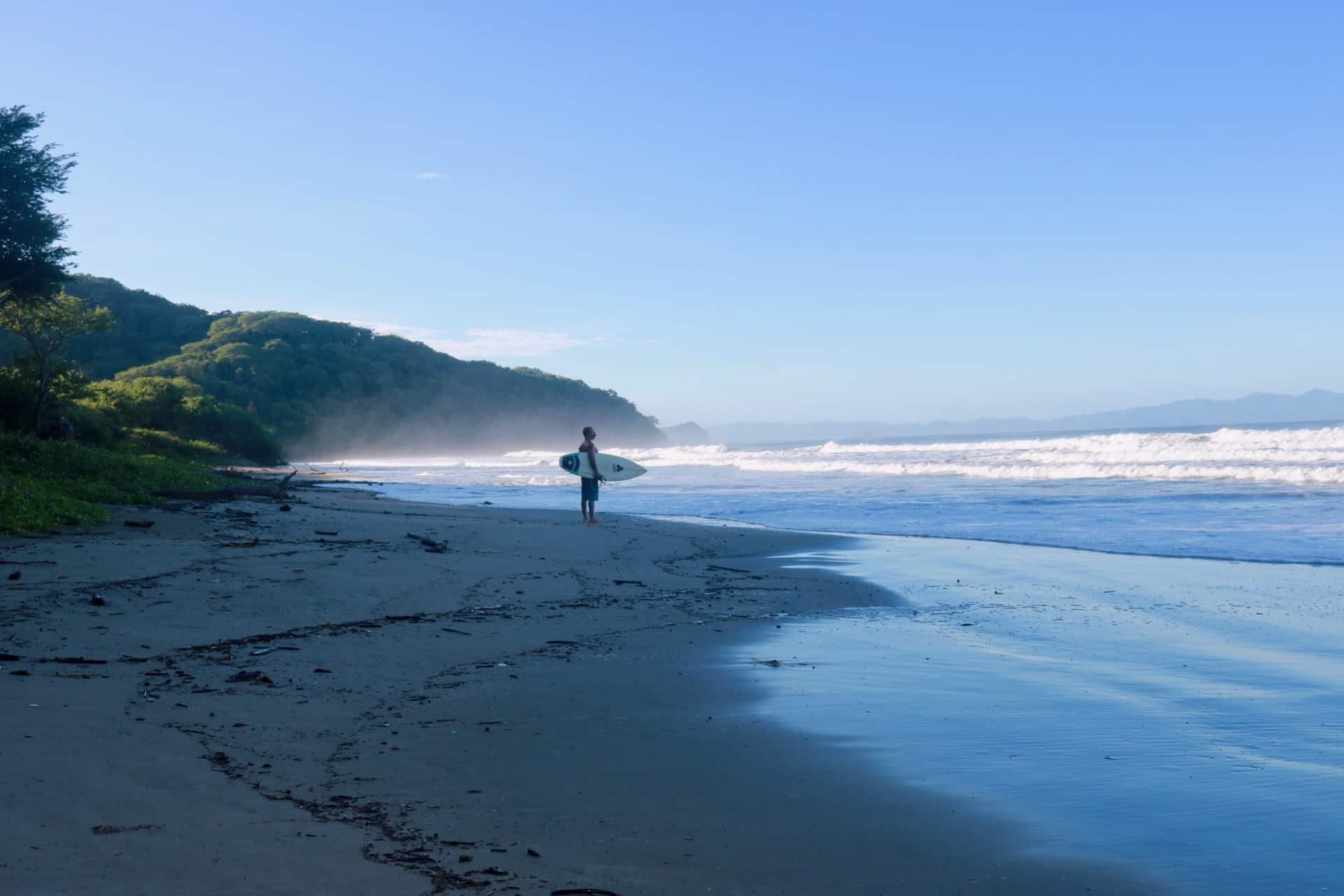
Surfing gets strong mention, with the Emerald Coast and San Juan del Sur as go-to areas for all skill levels. Outfits like Rise Up Surf run sessions there, and the piece notes consistent waves pulling in visitors. It also points to unique outings like sliding down Cerro Negro’s ash slopes. Natural draws include Matagalpa’s cloud forests with paths to water features, Rio San Juan’s wildlife zones, and Ometepe Island’s protected lands for walks and swims. The Corn Islands stand out for their clear waters and car-free feel on the smaller one.
On the cultural side, Granada’s 500-year mark from last year brings in its colonial streets turned into dining and shop areas. León adds historical sites, while food ranges from farm-fresh meals at NM in Granada to everyday spots in Managua like La Cocina de Doña Haydée. San Juan del Sur has brew options, and Popoyo cliff eateries round it out.
Timing advice covers dry season from mid-November to April for steady conditions, with rain picking up later and winds affecting island trips in early months. Easter brings crowds and events. Access goes through Managua’s airport or, for the south, Costa Rica’s Guanacaste entry with a border cross that takes similar time.
Locals quoted, like John Kendall from Yemaya Reefs, say Nicaragua keeps a real edge over places that have grown packed and expensive. He contrasts it with parts of Costa Rica facing those issues. Karen Emanuel from Jicaro adds tips on eating and moving around.
Here in Costa Rica, this spotlight on Nicaragua lands amid our own tourism ups and downs. Visitor numbers dipped this year, with air arrivals down in recent months and job losses hitting the sector hard. The strong colón makes trips here cost more for foreigners, pushing some to look elsewhere for value. Groups like Turismo por Costa Rica warn of further drops if trends hold, while efforts push to highlight our spots for wellness and eco-focus.
Yet Costa Rica holds ground with proven safety nets and setup for tourists, from national parks to guided trips. Nicaragua’s push comes with notes of caution—U.S. advisories urge rethinking travel due to enforcement and stability concerns, and reports detail entry rules that can snag visitors, like device checks or content limits. Polemics arise when outlets promote it despite those flags, as seen with other pieces this year.
Tourism leaders here see the region as linked, with Costa Rica’s model influencing others. A new coastal road in Nicaragua eases beach access, potentially pulling cross-border day-trippers from our side. Still, many travelers start or end in Costa Rica, using it as a base for regional hops.
The feature acts as a nudge for planners, laying out Nicaragua’s mix of stays, activities, and tips. From this side of the border, it reminds us to sharpen our edge on quality and access to keep drawing those who value steady services over raw appeal.





