

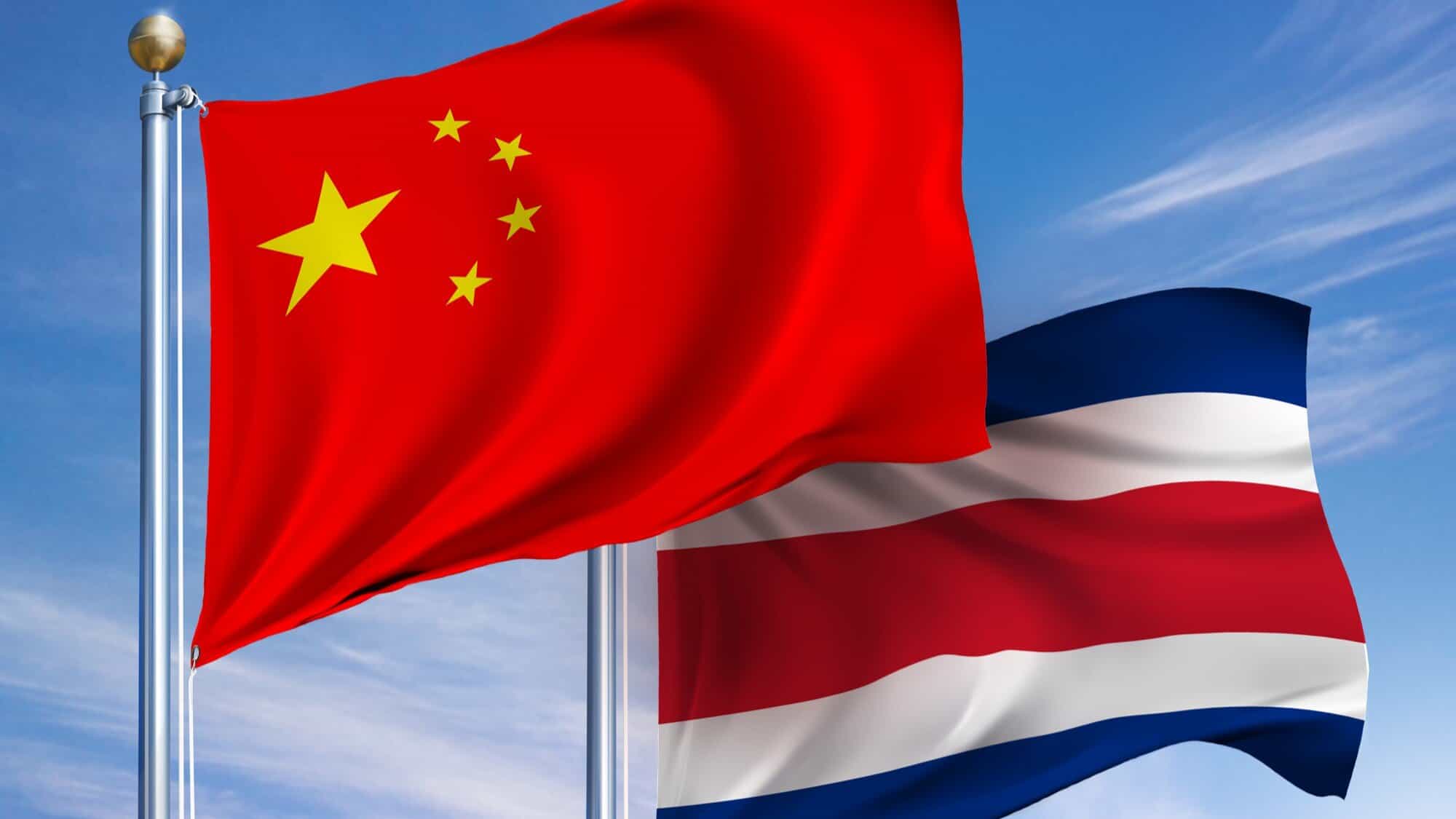
The Chinese Embassy here has told presidential candidate Eliécer Feinzaig to stop meddling in China’s affairs and avoid actions that could harm relations between the two countries. In a statement released this week, the embassy accused Feinzaig of confusing facts and interfering in internal matters by suggesting Costa Rica restore diplomatic links with Taiwan.
Feinzaig, who leads the Partido Liberal Progresista and serves as a deputy in the Legislative Assembly, made his comments during a recent interview. He argued that Costa Rica could maintain ties with China while also rebuilding connections with Taiwan. This position directly challenges Beijing’s stance that Taiwan remains part of its territory, a view it calls the “one China” principle.
The embassy’s response came swiftly. It described Feinzaig’s remarks as a political stunt aimed at influencing the upcoming elections. “His comments do not align with Costa Rica’s foreign policy and harm the core interests of the country and its people,” the statement read. Officials urged Feinzaig to halt any signals that might encourage separatist movements in Taiwan and warned him against playing with fire on issues central to China’s sovereignty.
Costa Rica shifted its diplomatic recognition from Taiwan to China in 2007 under President Oscar Arias. That move opened doors to trade deals, infrastructure projects, and investments from Beijing, including stadiums and highways. Since then, relations have grown, with China becoming a key trading partner. Exports like pineapples and medical devices flow to the Asian giant, while imports include electronics and machinery.
Feinzaig’s proposal stems from broader concerns he raised about China’s influence. In the interview, he questioned the security of Chinese 5G technology and criticized what he sees as a lack of democratic practices in Beijing. He suggested that engaging Taiwan could bring benefits in technology and education without severing existing bonds.
The embassy countered these points directly. It defended China’s government as the sole legitimate authority over its territory, including Taiwan. On democracy, it stated that China’s system fits its national context and reflects public will, rejecting any framing of global politics as a clash between democratic and authoritarian models. Regarding 5G, the statement highlighted the technology’s advancements and cost advantages, dismissing security worries as politicized.
Feinzaig fired back at the embassy’s words. In a public reply, he rejected what he called threats from a foreign power. “Costa Ricans alone decide our path,” he said. “We do not accept interference in our elections or dictates on our foreign relations.” He emphasized that the country values its freedom and can pursue ties with multiple nations if it serves national interests. Protecting sovereignty, he added, honors Costa Rica’s democratic traditions.
This exchange highlights tensions in Costa Rica’s foreign policy as the 2026 presidential race heats up. Feinzaig positions himself as a proponent of liberal values, pushing for economic reforms and stronger international alliances. His party advocates free markets and reduced government intervention, appealing to voters frustrated with current administration policies.
Analysts note that Taiwan remains a sensitive topic for China, which views any outreach as a challenge to its unity. Earlier this year, reports surfaced that Costa Rican intelligence officials traveled to Taiwan for training sessions. That development drew scrutiny from Beijing and raised questions about adherence to the one China policy.
Government officials have stayed mostly silent on the Feinzaig incident. The Foreign Ministry has reaffirmed commitment to relations with China but stressed that domestic politics remain internal. President Rodrigo Chaves, facing his own challenges, has focused on economic issues rather than diplomatic spats.
For many Costa Ricans, the debate touches on practical matters. Trade with China supports jobs in agriculture and manufacturing. Yet some express unease over dependency on a single major partner. Feinzaig’s call for diversified relations resonates with those seeking balance.
As campaigns intensify, this episode may shape voter views on foreign policy. Candidates must navigate global pressures while addressing local needs like employment and security. Feinzaig’s stance tests the limits of Costa Rica’s diplomatic flexibility in a world where superpowers guard their interests closely.
The embassy ended its statement by reiterating that China avoids interfering in other nations’ affairs. It called for mutual respect to sustain the friendship built over nearly two decades. With elections approaching, observers watch to see if this warning influences the race or fades amid other priorities.





