

Costa Rican Coast Guard officers pulled nearly a kilometer of illegal gillnets from protected waters in the Barra del Colorado National Wildlife Refuge during a routine patrol. The operation targeted the Agua Dulce inlet, a key spot in the northern Caribbean where rivers meet the sea, acting as a nursery for fish and other marine life.
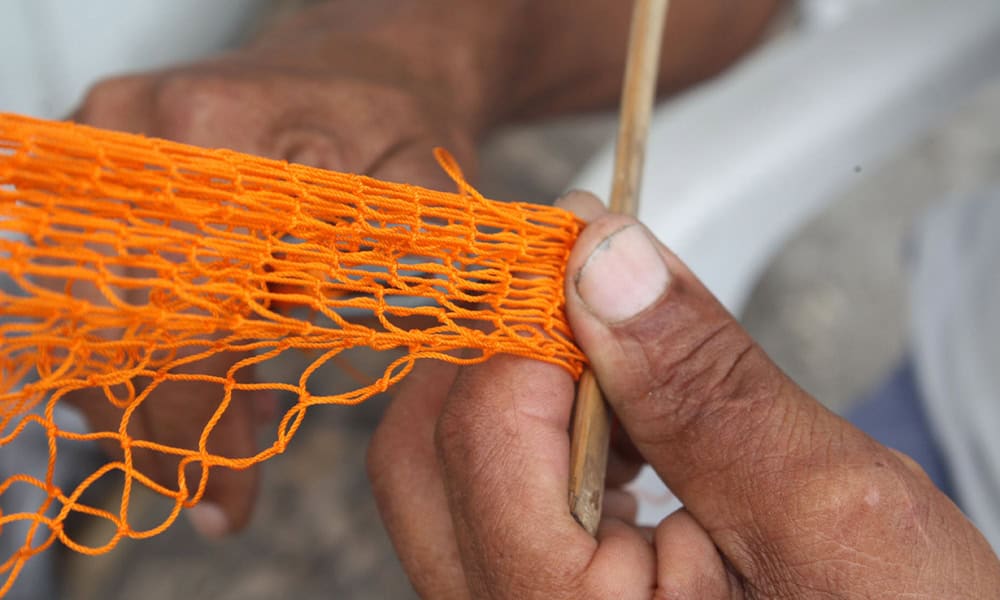
Personnel from the Barra del Colorado station spotted five separate gillnets set up unlawfully in the area. These nets, known as trasmallos, trap fish by the gills but also snag turtles, dolphins, sharks, and crabs without discrimination. Left in place, they disrupt food chains and harm young species that rely on the estuary for growth.
The team removed the nets, which totaled close to 1,000 meters, and took them ashore for decommissioning and disposal. No one was caught in the act, but patrols continue to watch for similar violations. This action fits into ongoing efforts to curb illegal fishing, which affects local communities and the environment.
The refuge spans a large stretch of Limón province, offering habitat for lots of different wildlife. Illegal gear like these nets not only kills off-target animals but can turn into ghost nets if abandoned, continuing to trap creatures for years. Officials point out that such practices throw off the natural balance in these sensitive zones.
Locals who follow the rules benefit from these crackdowns, as they help sustain stocks for everyone. The area also brings in visitors looking to get back to nature, supporting jobs in guiding and lodging. By stepping up enforcement, the Coast Guard aims to keep these resources intact for the long term.
This seizure highlights a persistent issue in Costa Rica’s coastal regions, where unregulated fishing pressures ecosystems already facing challenges from development and climate shifts. The government has ramped up marine patrols in recent years to protect sites like Barra del Colorado, which play a role in the country’s biodiversity goals.
Residents in nearby communities, such as those in Pococí, often report suspicious activity, aiding authorities in their work. With the Caribbean coast’s rivers and lagoons forming complex networks, monitoring remains a hands-on task for the service.





