

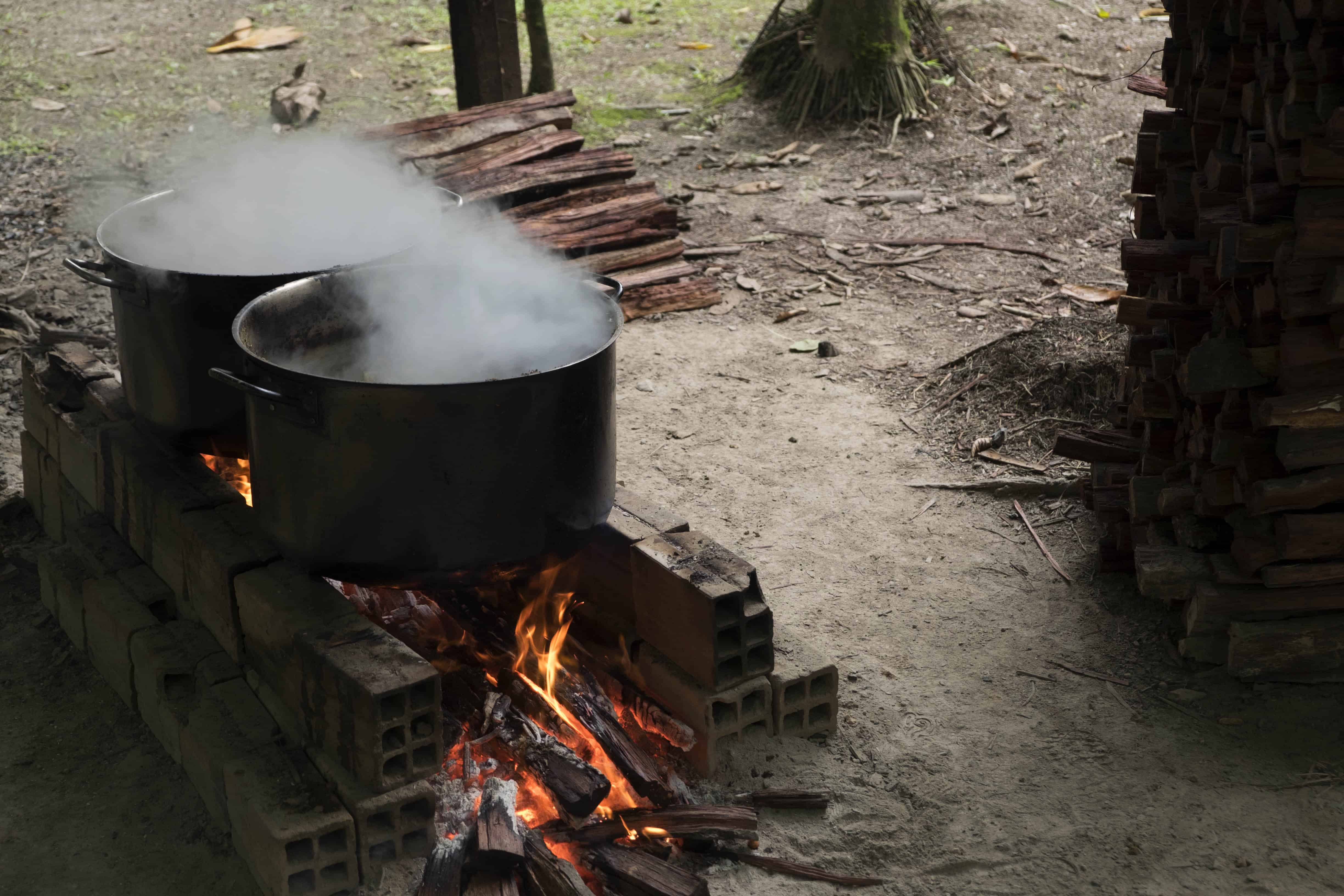
The Costa Rican Ministry of Health has issued a strong warning against the advertising, use, and consumption of ayahuasca and ibogaine for therapeutic purposes. These substances, often touted for their supposed spiritual and healing properties, lack the required sanitary registration in Costa Rica. While rituals and ceremonies involving these substances are cropping up in various parts of the country, particularly those attracting expats and tourists seeking alternative experiences, health authorities emphasize that such practices are unauthorized and potentially dangerous.
“Any product based on ayahuasca or ibogaine must comply with national regulations for control and registration,” the Ministry stated. They also stressed that any healing practice should be conducted by a certified professional registered with the relevant association and in an establishment approved by the Ministry of Health.
What exactly are these substances?
Ayahuasca is a psychoactive brew traditionally used by indigenous groups in the Amazon. It’s made from a mixture of leaves and stems, containing the potent hallucinogenic compound DMT. This compound is listed as a controlled substance both internationally and in Costa Rica.
Ibogaine, derived from the African Tabernanthe iboga shrub, is another hallucinogen known for its stimulating and psychedelic effects. However, it can also cause serious side effects like convulsions, heart rhythm problems, and even respiratory arrest in high doses.
Why the concern?
The Ministry highlights that any medicine or therapeutic product in Costa Rica requires prior sanitary registration. This process ensures that products meet strict safety, quality, and efficacy standards. Ayahuasca and ibogaine, lacking this registration, have not undergone proper evaluation and could pose a risk to public health.
Recommendations for residents and visitors:
- Avoid consuming or promoting ayahuasca and ibogaine for therapeutic purposes.
- Steer clear of retreats or ceremonies using these substances.
- Report any suspicious activity involving the promotion of these or other unregistered psychoactive substances to atencioncliente@misalud.go.cr or the nearest Directorate of Health Area.
By raising awareness and enforcing regulations, the Ministry aims to protect public health and ensure that any therapeutic practices adhere to Costa Rica’s safety standards.





