

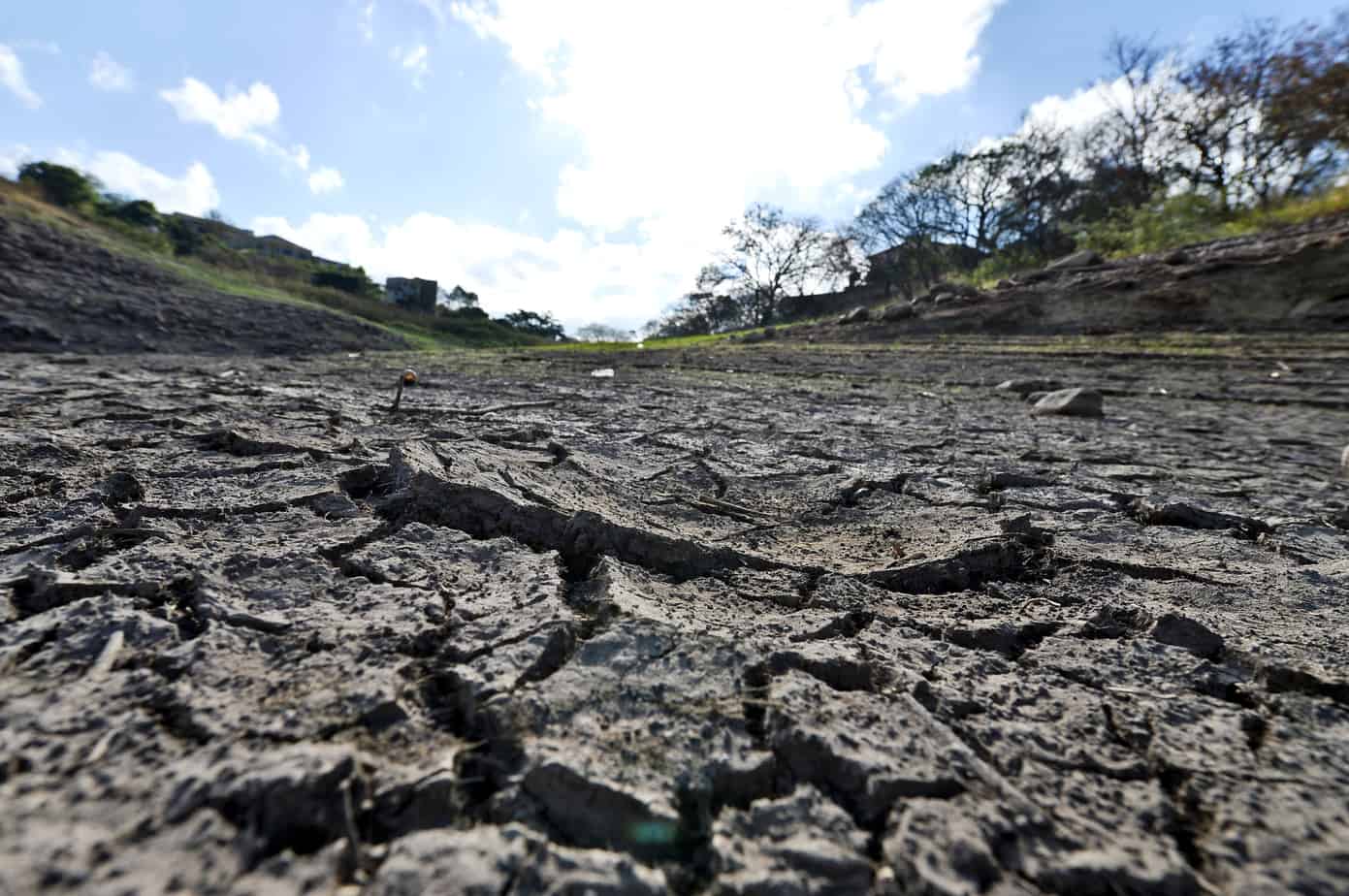
The United Nations Central Emergency Response Fund (CERF) has released $10.5 million to help communities in Guatemala, Honduras and El Salvador prepare for severe drought in the Central American Dry Corridor. The funding was given after early forecasts showed major rainfall shortfalls, targets around 145,000 vulnerable people. Officials say the money will support anticipatory measures to protect food production and basic services before the main planting season worsens conditions.
The Dry Corridor stretches across parts of these three countries and is one of the most climate-vulnerable zones in the hemisphere. Prolonged dry spells and erratic rainfall have already strained subsistence farming, leaving families at risk of crop failure and water shortages.
The funds will go toward three main areas: food and nutritional support, health and water sanitation, and protection of agricultural livelihoods. Planned actions include cash transfers for families, distribution of food supplies, rehabilitation of wells, installation of rainwater-capture systems and provision of water-purification kits.
In Guatemala, about 60,000 people will receive help. Honduras will assist around 65,000, and El Salvador about 20,000. United Nations agencies including the World Food Programme, Food and Agriculture Organization, UNICEF and World Health Organization are leading the work on the ground.
The release follows activation of a pre-arranged anticipatory action framework for the Dry Corridor. Early March weather outlooks pointed to delayed rains and mounting water stress that could cut yields of maize, beans and other staple crops.
Officials from the United Nations Office for the Coordination of Humanitarian Affairs noted that anticipatory steps are already underway to safeguard livelihoods and prevent a sharper rise in food insecurity. The region has seen repeated climate shocks in recent years that have damaged harvests and increased dependence on markets.
Subsistence farmers in the corridor grow most of their own food on small plots. When rains fail or arrive at the wrong time, families lose both their harvest and the seeds they saved for the next cycle. Past dry periods have forced many to cut meals or sell livestock to survive. The new funding builds on similar anticipatory efforts in prior seasons. In one ongoing project in eastern Guatemala, families have used rainwater tanks and basic irrigation to keep vegetable gardens producing even in dry months.
The Central American Dry Corridor covers roughly 1,600 kilometers of tropical dry forest zones. More than 10 million people live there, many in rural areas where poverty rates exceed 70 percent and food insecurity affects millions. The World Food Programme has estimated that 2.7 million people across the subregion needed urgent food assistance at the start of 2026.
Climate variability has made the corridor’s alternating droughts and heavy rains more extreme. Scientists link the pattern to broader shifts that include stronger El Niño and La Niña events.
The $10.5 million allocation marks one of the larger recent uses of the Central Emergency Response Fund for anticipatory action in Latin America. The money comes from voluntary contributions by donor governments and is designed to act before a crisis peaks rather than after damage occurs.
The inital phase is expected to run through the middle of 2026, with agencies reporting back on reach and results. Local governments in the three countries are coordinating with United Nations teams to identify the hardest-hit municipalities. No additional emergency declaration has been issued, but officials say the funds will buy critical time for families to protect their crops and water sources ahead of what could be another difficult agricultural year.





